Everything you need to know about creatine!
 Author:
 In recent decades, creatine has become a popular dietary supplement among athletes and fitness enthusiasts looking for ways to boost their performance and strengthen their muscles. Numerous scientific studies have focused on its effectiveness and safety, leading to a better understanding of its benefits and potential side effects. In addition to the performance aspect, creatine also has health implications. It has been shown that it can have positive effects on certain neurological diseases and metabolic disorders, increasing its importance in medicine.
In this article, we will look at the biochemical mechanism of action of creatine, its physiological importance in muscle energy metabolism and its effect on athletic performance. We will also look at its safety, recommended dosages and its potential uses in various contexts, from elite sport to improving overall health.
Creatine is one of the most widely used, but also the most overused supplement ever. Even a just-beginning exerciser has surely heard of this substance. Very often, unfortunately, one also comes across many myths on the Internet and does not really know what to believe. That is why we called one of the best in the field - Pavel Samek. He works as a product manager at PROM-IN. Pavel set the record straight and answered the most common questions about creatine.
- Introduction - 00:00 - 0:08
- What is creatine? 0:08-1:00
- How does creatine work? 1:02- 3:08
- Is creatine suitable for the diet? 3:10- 3:57
- Creatine and water retention. 4:00-6:08
- Creatine and dosage. 6:10-8:30
Creatine is a popular dietary supplement that has various effects on the human body, especially in the context of athletic performance and physiology. The following list outlines the main effects of creatine:
-
Increase muscle performance: creatine increases the amount of phosphocreatine in muscle cells, which serves as a quick source of energy for short-term, intense physical activity such as fast sprints and strength training. This can lead to greater strength, explosiveness, and endurance during athletic performance.
-
Increased muscle growth: Creatine can increase muscle growth by improving muscle protein synthesis and increasing muscle cell volume. This can be especially beneficial for athletes who are trying to gain muscle mass.
-
Improved recovery.
-
Increased muscle cell density: creatine can increase the volume of water inside muscle cells, which can cause a temporary increase in muscle volume and visual fullness.
-
Improved cognitive function: some studies suggest that creatine may have a positive effect on cognitive function, especially in individuals suffering from neurological disorders such as Alzheimer's disease.
-
Fatigue reduction: creatine can reduce feelings of fatigue and improve energy levels, which can be helpful during prolonged sporting events.
-
Metabolic support: Creatine has an effect on energy metabolism and can help with weight control and body fat reduction.
-
Therapeutic Use: Creatine has been studied for its potential therapeutic effects in a variety of medical conditions such as neurological diseases, heart disease and metabolic disorders.
-
Safety: Creatine is generally considered a safe dietary supplement when taken in recommended doses and under the supervision of a health professional. Side effects are usually mild, such as bloating and indigestion.
It is important to remember that the effect of creatine can be individual and depends on genetic factors, diet and exercise program. It is always advisable to consult a doctor or nutritionist before starting to take creatine, especially if you have health problems.
Recommended
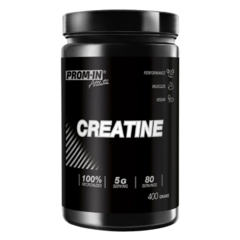
Prom-in Creatine HPLC
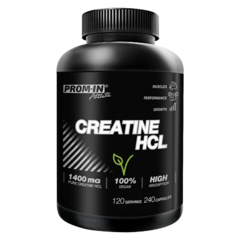
Prom-in Creatine HCL
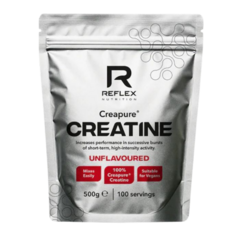
Reflex Creapure Creatine
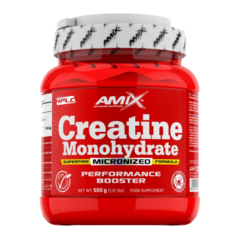
Amix Creatine Monohydrate
No posts have been made yet.