





Caffeine - the most used stimulant in the world. Do you know what benefits it actually offers to athletes?
 Author:
 Caffeine is one of the most widely used stimulants ever. Up to 80% of adults ingest it in some form every day. Whether it's in the form of coffee to get us out of bed, or maybe in a kicker or a pill before a workout. Caffeine is a substance with amazing effects, not only does it stimulate brain activity and provide energy, but when used correctly it can also improve performance in the gym, endurance, can help burn fat faster, and can even help with recovery!
There are many myths and half-truths about coffee and caffeine. However, heaps of research and studies confirm its safety and efficacy, some even proving the health benefits of caffeine consumption, such as preventing diabetes, Parkinson's disease and so on. However, today we'll focus more on caffeine and its effects in sports and talk about how caffeine can improve our sports performance.
Article content:
- Caffeine and the effect on strength performance
- Caffeine stimulates brain function and promotes concentration
- Caffeine for endurance
- Caffeine may also play a role in reducing post-workout muscle soreness
- Caffeine may help with fat burning
- So how to manipulate your caffeine intake
- What to take away from the article?
Caffeine and the effect on strength performance
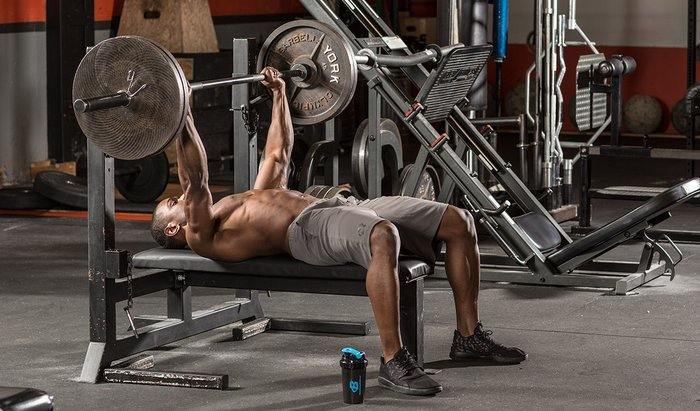
Caffeine's pre-workout stimulant effect and energy boost aren't the only benefits caffeine can offer at this stage. Caffeine also blocks certain receptors that are responsible for the feeling of fatigue. Thanks to this property, we are then able to do more repetitions in a set. This is confirmed by a study that focused on comparing the performance of two groups - one group of exercisers were given 180 milligrams of caffeine before training, the other nothing and were observed performing bench press, classic squat, deadlift and overhead press exercises . The result was that subjects taking caffeine before training did a relatively significantly higher number of repetitions for each exercise than did subjects who did not take caffeine.
Just beware, the body gets used to caffeine doses very quickly and they need to be increased. Therefore, use the strategy of taking caffeine ideally especially in the pre-workout period to really get the most out of its performance-enhancing effects.
Caffeine stimulates brain function and promotes concentration
Those who drink coffee in the morning will know that there is no better energiser than a morning cup (or two?) of good coffee. Indeed, caffeine is one of the most well-known and widely used natural stimulants in the world. It acts as a central nervous system stimulant and increases alertness. So, the cognitive stimulation provided by caffeine will not only get you out of bed in the morning, but also help you to concentrate more during your workout. This effect is confirmed by the results of many studies. In addition, thanks to its ability to activate the central nervous system, caffeine can also help improve reaction time, which is especially appreciated by athletes involved in strength and endurance sports.
But beware! Too much caffeine consumption can be detrimental. So, once again, when handling your daily caffeine intake, you need to be smart and use it especially in the morning or in the pre-workout period when it offers the most benefits to athletes.
Caffeine for endurance
From the effects already mentioned, it is evident that athletes from a wide variety of disciplines can benefit from caffeine. In addition to boosting performance from a strength and mental standpoint, caffeine can also increase your endurance in two ways. The first is by increasing fat burning during training. When you train and take caffeine, you can actually burn a little more fat. This saves muscle glycogen, which means you have more energy even towards the end of your workout when you need it most. The second way caffeine can improve endurance is by increasing nitric oxide levels. Yes, caffeine can actually improve vasodilation, which is the term for the widening of blood vessels. This allows more blood to flow to the muscles, which in turn delivers more oxygen and more nutrients to them, leading to increased endurance.
Caffeine may also play a role in reducing post-workout muscle soreness
And here's one effect that may surprise you. Yes, indeed, the caffeine you take before your workout can help reduce muscle soreness after it's over, even in the days after! The results of one study show that when participants used caffeine before a workout, they experienced much less workout-induced muscle soreness than the placebo-only group, even though the caffeine group managed to do more reps during the workout.
This is because it is thought that caffeine may reduce the activity of the neurotransmitter adenosine, the substance in the body responsible for feeling tired, and its effects logically increase during exercise. The reduction in the perception of pain and fatigue during training and in the days that follow means you can train more often, which may (or may not, be ware of overtraining!) lead to more significant muscle gains.
Caffeine can help with fat burning
Many studies have shown the effect of caffeine on fat burning. Specifically, caffeine increases the ability to oxidize fat, i.e., to break down fat and then use it in energy production during exercise. As mentioned above, caffeine stimulates the nervous system and increases adrenaline levels. Adrenaline travels through the blood to fat tissue, where it sends signals to break down fat and release it into the blood. In this way, caffeine helps mobilize fat in adipose tissue, increasing the availability of free fatty acids in the blood.
Of course, this doesn't work on its own - caffeine has an effect on fat burning, provided you follow a healthy diet and get enough exercise. However, if you're now going to drink litres of coffee and the weight loss will take care of itself, don't completely rejoice. In fact, studies show that the body adapts to the amount of caffeine quite quickly and as the dose and time of use increases, the effects of caffeine on burning diminish. In the short term, caffeine does indeed speed up the metabolism and increase fat burning, but once the body adapts to the dose, the effects of caffeine diminish and eventually disappear altogether.
 Caffeine also increases basal metabolic rate (i.e. the amount of calories the body expends at rest) for one to five hours after ingestion. Studies suggest that the increase in metabolism ranges from 3-11%. However, again, everything mentioned above applies. It doesn't mean you have a coffee and a cupcake and it's fine because the coffee burns it off for you. It certainly doesn't. Plus, according to studies, these effects are not very noticeable in obese people.
So how do we manipulate our caffeine intake so that we can get the most out of its benefits?
As with any other nutrient, caffeine intake and response to it is highly subjective. General recommendations regarding the optimal dose of caffeine for performance enhancement are around 1-6 milligrams per kilogram of body weight, about 30-60 minutes before a workout. But more caffeine definitely doesn't mean better performance! Because each person responds to caffeine a little differently, it 's better to start at small doses and increase them if necessary. However, be careful not to overdo it with caffeine! Because the body gets used to caffeine very quickly, it's a good idea to cut it out occasionally and use other products instead (like this decaffeinated pre-workout).
The maximum safe dose for an adult is considered to be 400mg per day, but even this dose is subjective (because otherwise a 90 kg muscular man can tolerate this amount, and otherwise a 5 kg frail woman can, right). So again, the maximum caffeine dose is subjective. Beware of consuming coffee and caffeine supplements in the afternoon and evening, as this could have a negative effect on your sleep.
What to take away from the article?
Caffeine is a good servant but a bad master! Large doses or addiction to caffeine can lead to migraines, heart palpitations and a large dose can also cause nervousness, vomiting and other unpleasant conditions. A severe overdose can even cause heart rhythm disturbances and even death. Nothing should be overdone, so avoid excessive consumption of coffee, stimulants, and other caffeinated supplements, especially energy drinks. Caffeine has many great effects, but you must use it wisely. If you are a coffee lover, learn to make the most of its benefits (and it does have them!). Not only will the caffeine in your morning coffee get you on your feet, but it can even boost your athletic performance, and in the short term, it can even promote fat burning. And if you're not a coffee drinker, check out a caffeinated supplement.
Recommended
Nebbia Tepláky Straight Leg URBAN 490
Puhdistamo Triple Magnesium
Nebbia FIT Activewear funkční tričko s krátkým rukávem 440
Nebbia Boxy fit košile s kapsami STREET ICON 599
Sources:
https://www.ncbi.nlm.nih.gov/pubmed/22124354
https://www.ncbi.nlm.nih.gov/pubmed/26394649
https://www.ncbi.nlm.nih.gov/pubmed/16937961
https://www.ncbi.nlm.nih.gov/pubmed/18438212
https://www.ncbi.nlm.nih.gov/pubmed/26445565
https://www.ncbi.nlm.nih.gov/pubmed/18467543
https://www.ncbi.nlm.nih.gov/pubmed/24164961
https://jissn.biomedcentral.com/articles/10.1186/1550-2783-7-5
https://www.hindawi.com/journals/isrn/2014/650264/
No posts have been made yet.








