




The Truth About the Power of Human Solidarity—Why Can't Even the Most Successful Athletes Do Everything on Their Own?
 Author:
It’s seven in the morning. The clinking of weight plates echoes through the gym; two friends are waiting by the squat rack, and someone is just finishing their last set of bench presses. Between exercises, they discuss the results of the weekend’s competitions, work, or just everyday worries.
One person came to break a personal record. Another wants to clear his head after a tough week. And still others have come mainly because they know someone is waiting for them. At first glance, it’s an ordinary situation. But it’s precisely in these unassuming moments that something may be hidden—something we often overlook in discussions about athletic performance.
The feeling that we belong somewhere.
Arnold Schwarzenegger addressed this topic in his October 5, 2026, edition of Arnold’s Pump Club newsletter. In it, he described a surprising fact: even though he has a fully equipped home gym, he does most of his morning workouts among other people.
It’s not because he doesn’t have enough equipment at home. The reason is much more personal.
Article Contents:
- Arnold’s Paradox: He Has His Own Gym, but Prefers to Work Out Around Other People
- Why do we need to feel like we belong somewhere?
- A Study of 506 People: Group Exercise Is Linked to Support and Athletic Identity
- Researchers compared 71 studies. Is group training really better?
- Why do we sometimes persevere precisely because of others?
Arnold’s Paradox: He Has His Own Gym, but Prefers to Work Out Among Other People
Schwarzenegger is one of the most famous bodybuilders in history. Seven Mr. Olympia titles, decades of intense training, and a career that has influenced several generations of athletes. One would expect that someone with such experience would seek above all else peace and quiet and maximum concentration during training.
But Arnold’s approach is different.
In his newsletter, he describes how he rides his bike to the gym every morning. He greets acquaintances, chats with other gym-goers, and listens to their stories. He even notes that he’s never been one to wear headphones while working out. He doesn’t want to cut himself off from the people around him. At the same time, he rejects the idea that he achieved his success entirely on his own.
He recalls the friends, coaches, and bodybuilders who helped him during his early days in Austria and later in the United States. Of course, he had to lift the weights himself. But the motivation, support, and environment in which he grew as an athlete were, in his view, an integral part of his journey.
After all, an individual’s strength doesn’t necessarily come solely from within. Sometimes, the people standing beside him help build it.
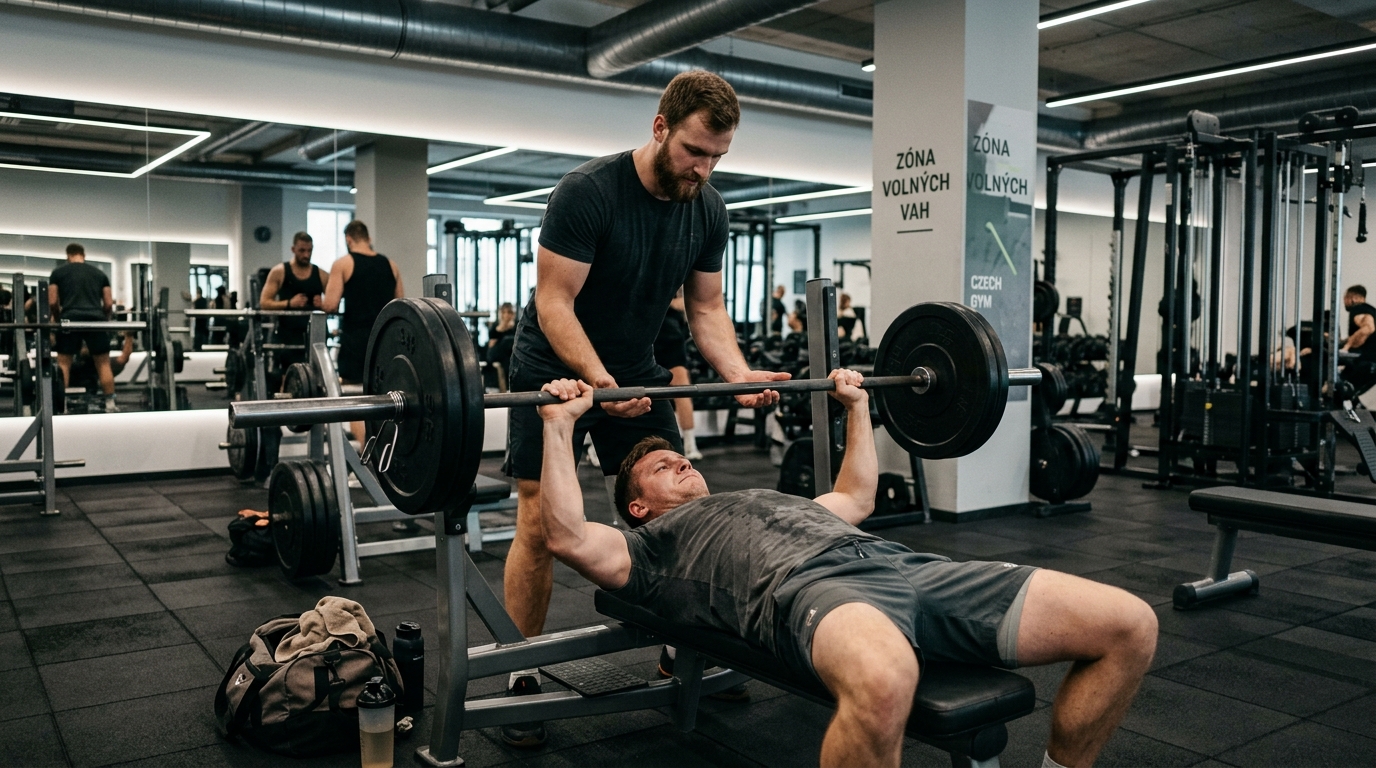
Why do we need to feel like we belong somewhere?
Sports psychology has long studied why some people are able to stick with regular physical activity for years, while others gradually lose motivation. One important factor is the social environment. A sense of belonging means that a person perceives themselves as part of a particular group. They have a place within it, relationships, and the experience of being accepted by others.
From the perspective of motivational psychology, this feeling is also linked to self-determination theory, which holds that relatedness—alongside autonomy and competence—is one of the basic psychological needs. At the gym, a sense of belonging can take many forms. Some people have a regular workout partner. Others attend group classes. Still others regularly meet up with the same people, even though everyone works out according to their own plan.
The number of friends isn’t necessarily what matters.
Sometimes it’s enough just to know that someone will notice your progress, cheer you on after a failed set, or ask why you haven’t been around for a few days. Such small social connections can change the way we think about exercise. Workouts stop being just a chore we have to get through. They also become an activity that connects us with others.
Study of 506 People: Group Exercise Is Linked to Support and Athletic Identity
Research published in the *International Journal of Sport and Exercise Psychology* yielded interesting results. The researchers analyzed data from 506 adult participants and examined the relationships between membership in exercise groups, social support, athletic identity, and the amount of physical activity. They found that people involved in group exercise more frequently reported various forms of support.
This wasn’t just ordinary encouragement.
The researchers distinguished between emotional support, practical help, the provision of information, recognition, and the company of others. Also of interest was the link to sports identity—that is, the extent to which a person perceives physical activity as part of who they are. However, the results differed between men and women. For women, group membership was also directly linked to a higher volume of physical activity, whereas for men, this direct correlation was not statistically confirmed.
Therefore, we cannot simply claim that group training will automatically increase everyone’s performance or gym attendance. Furthermore, the study was observational.
Nevertheless, it supports an interesting idea: the environment in which we exercise may be related not only to how much we move, but also to how we perceive ourselves as athletes.
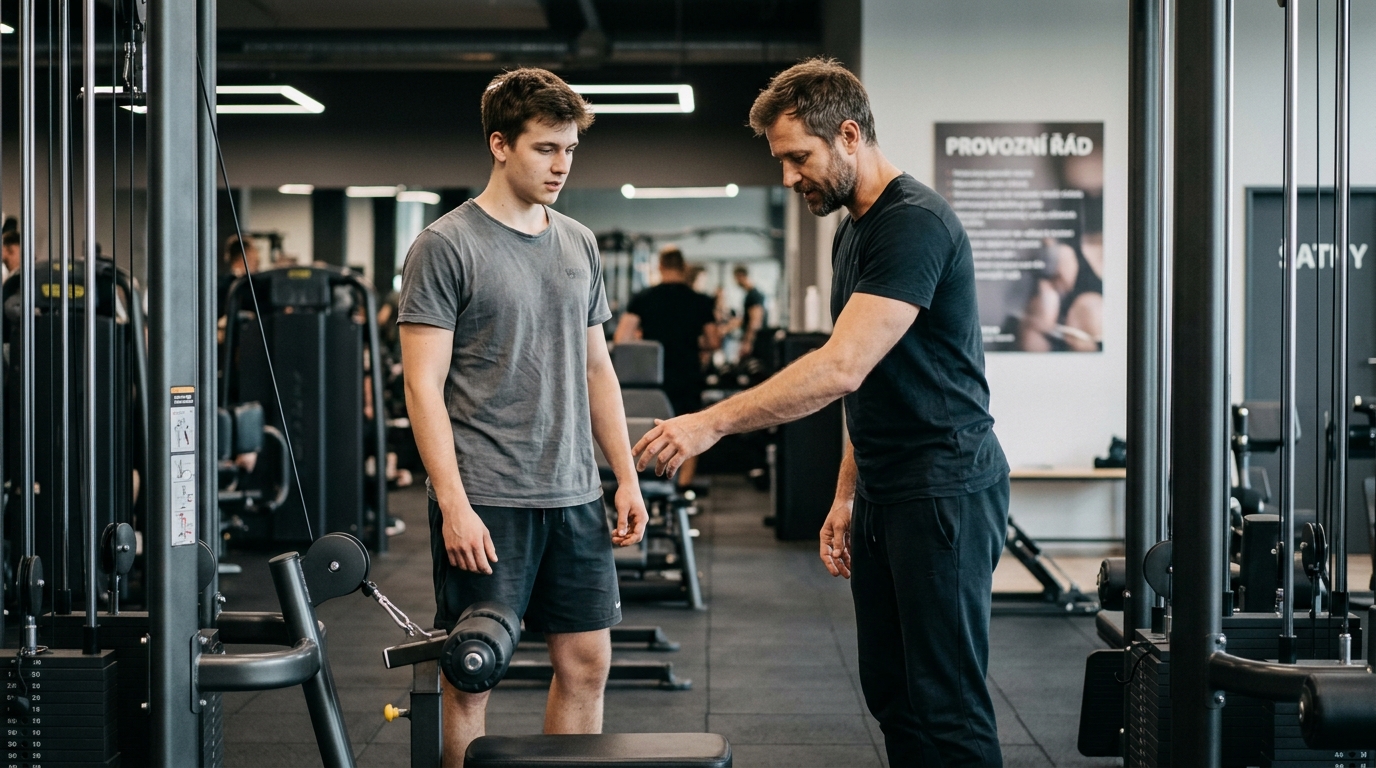
Researchers compared 71 studies. Is group training really better?
In April 2026, the journal *Nature Human Behaviour* published a comprehensive meta-analysis comparing group and individual physical activity programs. The researchers analyzed 71 studies and evaluated not only the amount of physical activity but also functional, psychological, and health outcomes. And they reached a conclusion that may come as a surprise to some. Overall, group programs did not show a statistically significant advantage over individual programs in terms of the amount of physical activity.
Both approaches can work.
Certain advantages of group programs emerged in subgroup analyses of functional outcomes, but these findings should be interpreted with caution. This means that Arnold’s personal approach may not be a one-size-fits-all solution. Some people prefer to exercise with friends. Others concentrate better on their own, and the company of others may even distract them.
It may not be the mere presence of others that matters, but rather the quality of the environment in which a person trains.
If a group fosters cooperation, mutual respect, and realistic goals, it can be beneficial for motivation. However, if it creates excessive pressure, constant comparison, or fear of judgment, it can have the opposite effect.
Why do we sometimes persevere precisely because of others?
A systematic review from 2025 analyzed 68 qualitative studies from 14 countries that examined what helps people maintain physical activity over the long term. Recurring themes included support from others, the joy of movement, habit formation, and the ability to adapt exercise to everyday life. Imagine someone who is starting to exercise after a break of several years.
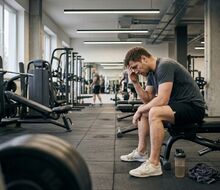
That first visit to the gym can be uncomfortable. They’re unfamiliar with the environment, don’t know exactly how to use the machines, and feel like others are watching them. If they meet someone willing to offer advice, the next visit might be a little easier. Not because their physical abilities have fundamentally changed in a matter of minutes.
Their relationship with the environment has changed. Instead of feeling insecure, they may begin to feel accepted. A similar mechanism can also work for more experienced athletes. A training partner can remind them of their shared plan, offer constructive feedback, or help them stay consistent during a more demanding period.
However, this isn’t an obligation. Support is meaningful only when it meets the needs of a specific person.
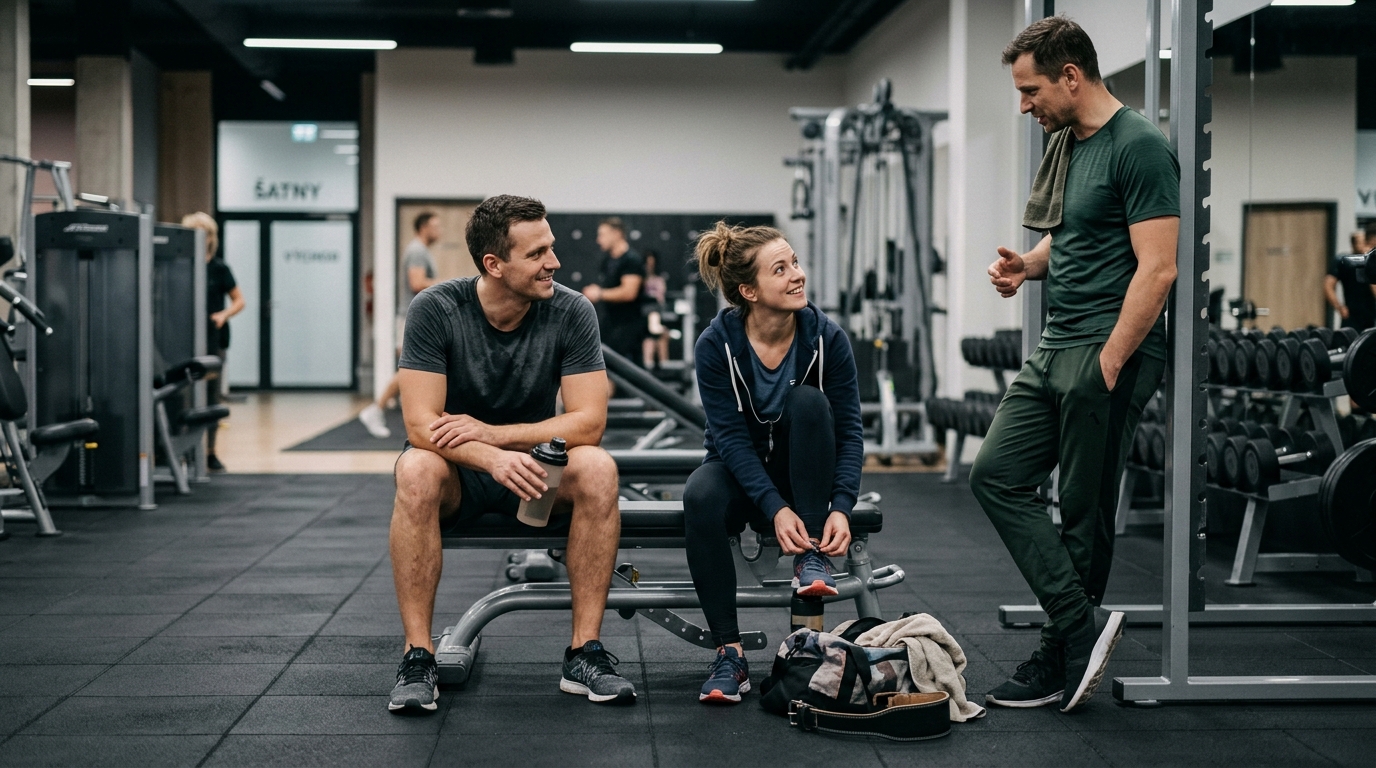
A workout partner motivates you. Proper nutrition will support your progress!
Sometimes all it takes is a single message from a friend to get you to head to the gym instead of relaxing on the couch. Training together isn’t just about lifting weights. It’s also about mutual motivation, pushing past your own limits, and finding joy in every small step of progress. But while a workout partner can give you the determination you need, you have to take care of your physical performance and proper nutrition yourself.
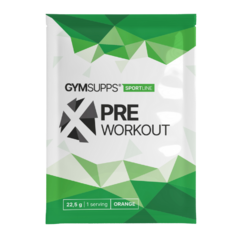
Before a demanding workout, you can try GymSupps XPre Workout, which combines caffeine, citrulline, beta-alanine, and other active ingredients. If you’re focusing on strength training, GymSupps Creatine Monohydrate may also be a good choice. Creatine, when taken at a daily dose of 3 grams, has been shown to increase physical performance during repeated short-term, high-intensity exercises.
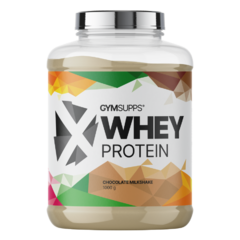
And since your muscles also need plenty of protein, you can supplement your diet with GymSupps XWhey Protein, which contains a blend of whey proteins that contribute to the growth and maintenance of muscle mass. Choose according to your needs, and remember that no supplement can replace regular training, a healthy diet, or proper recovery.
Recommended
How can you create an environment that will motivate you?
Arnold’s story isn’t a guide telling everyone to immediately ditch their headphones and start working out in a group. It’s more of a reminder that relationships can be one of the reasons why exercise becomes a long-term part of your life. So try to think about a few questions.
Is there someone at the gym with whom you can share your progress? Can you ask for advice when you’re unsure about your form? And if you see a beginner who’s struggling, can you offer help without lecturing them unnecessarily? A thriving fitness community isn’t built solely on what others give us.
It’s also shaped by how we treat them. Sometimes it’s enough to praise a well-executed set. Other times, it’s about helping someone adjust a machine or letting them know they belong in the gym just as much as everyone else. Moments like these may not determine the size of our muscles.
But they can determine how we feel in that environment.
| SITUATION | SUPPORTIVE ENVIRONMENT | UNHEALTHY PRESSURE |
|---|---|---|
| A Bad Workout | Understanding and Constructive Feedback | Ridicule and Blame |
| Slow Progress | Tracking Your Own Improvement | Constantly Comparing Yourself to Others |
| Getting Started at the Gym | Help with Technique and Equipment | Criticism for inexperience |
| Missed Workouts | Support for getting back on track | Inducing Feelings of Guilt |
| Personal best | Sincere recognition and joy | Downplaying success |
The Strongest Person Isn’t Necessarily the One Who Does Everything Alone
Bodybuilding is often associated with the idea of an exceptionally individualistic discipline. Everyone has to complete their own sets, stick to their own diet, and gradually push past their personal limits. But even an individual sport doesn’t exist in a vacuum—it’s rooted in human relationships.
Behind many successful athletes are coaches, friends, family, and people who helped them during times when results weren’t coming. Arnold Schwarzenegger understands this fact well. Although he managed to build one of the most famous bodybuilding careers in history, to this day he seeks out environments where he can be among others.
And modern psychology helps us understand why such a decision might be meaningful to him. This isn’t proof that group exercise is best for everyone. It’s a reminder that sports aren’t just about a person’s relationship with their own body.
It’s also part of our relationship with other people.
Because sometimes, it’s not just another kilogram on the barbell that pushes us forward at the gym. Sometimes it’s the person standing next to us who reminds us why it’s worth coming back.
Recommended
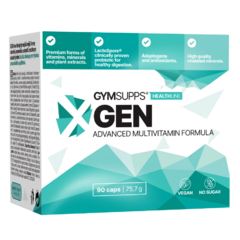
GymSupps XGen

XGen 90cps + Omega 3 90cps
No posts have been made yet.