





Orthorexia, or when interest in a healthy lifestyle becomes an obsession
 Author:
 Fitness and healthy living are experiencing a huge boom! Interest in health, exercise, healthy eating, food composition and its effect on the body is very commendable, whether you are trying to lose some pounds or simply trying to learn healthier habits. Healthy eating can make you feel healthier, more vital, full of energy and maybe even reduce weight. Who among us doesn't crave that? Unfortunately, thanks to the demands of today's times, healthy eating is not without its risks - it can even become an addiction and turn into an eating disorder. Yes, an over-interest in healthy eating, or orthorexia, is a problem that is not talked about much, but it exists nonetheless. Although it may not seem like it at first glance, even an over-interest in healthy eating can have fatal consequences.
A LITTLE THEORY TO START WITH
Orthorexia (Latin: orthorexia nervosa) is one of the eating disorders in which there is an obsessive preoccupation with healthy eating - popularly known as a total obsession with healthy food. In contrast to other types of eating disorders, orthorexia is not so much about the amount of calories consumed, but rather about the quality of the food consumed. So people who suffer from orthorexia may not actually want to reduce weight, but are overly focused on what foods they buy, what they are made of, what nutrients they contain and what their health benefits are.
Orthorexia is perceived in medical society as a kind of "deviation from normal", but neither the American nor the European Psychiatric Societies have yet included it in the international classification of diseases. Officially, therefore, it does not yet belong to eating disorders, but most experts agree that it is a specific case of anorexia nervosa. The term orthorexia was first used in 1997 by the American Dr. Steve Bratman. The meaning of the word comes from the Greek, where "orthos" means "correct".
HOW DOES ORTHOREXIA OCCUR?
There is no scientific research that accurately describes the process of how orthorexia occurs. However, it can be said that obsessive-compulsive tendencies and experiencing one of the eating disorders are known and most common risk factors. Other risk factors are a tendency to perfectionism, an anxious nature or compulsive control of things.
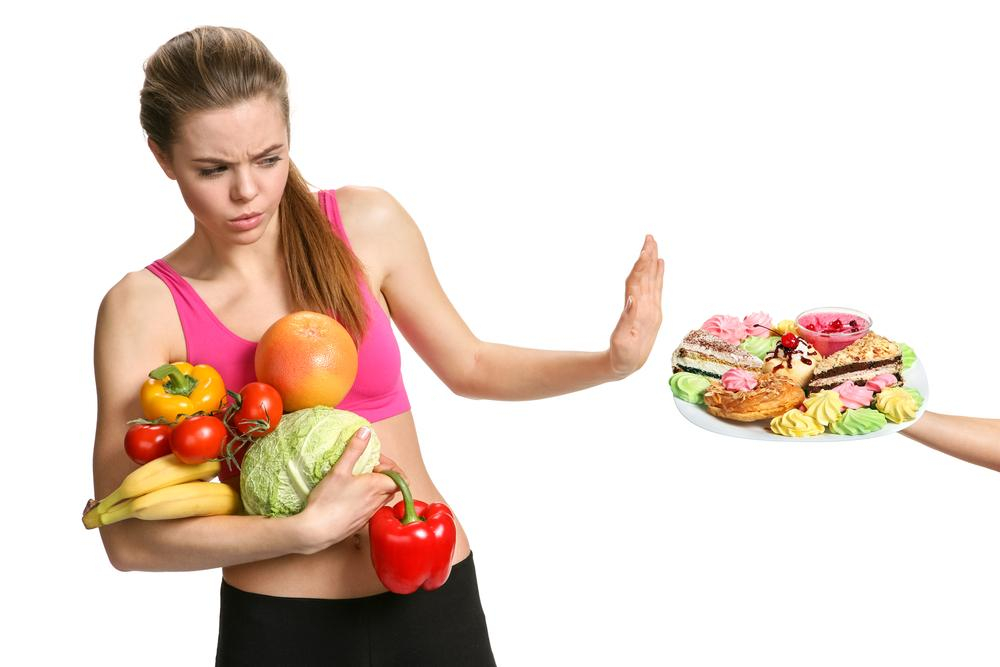
However, let's pour some clear wine... falling into an addiction to healthy eating, or any other eating disorder, is not difficult today. The internet and social networks are OVERWHELMED with information, some useful, some not, but the moment an individual cannot discern what to follow, there can be all the trouble in the world. it's quite simple.. You start looking into healthy eating, you read a few (wannabe) smart articles, you reduce the foods you "can" consume, you study what the "appropriate" foods must contain, how to prepare them, cook them, which foods to consume when, and you keep pushing that information, expanding it. We'll cut out sugar, baked goods, flour, fruit, or straight up total carbohydrates or fats, depending on which "modern style" of diet you decide on. In short, you banish all imaginary bogeymen from your diet. You stop going out to dinner or lunch with friends or colleagues, you resist eating out/out of your own box. You have to eat 100% clean... and then there's the extreme.
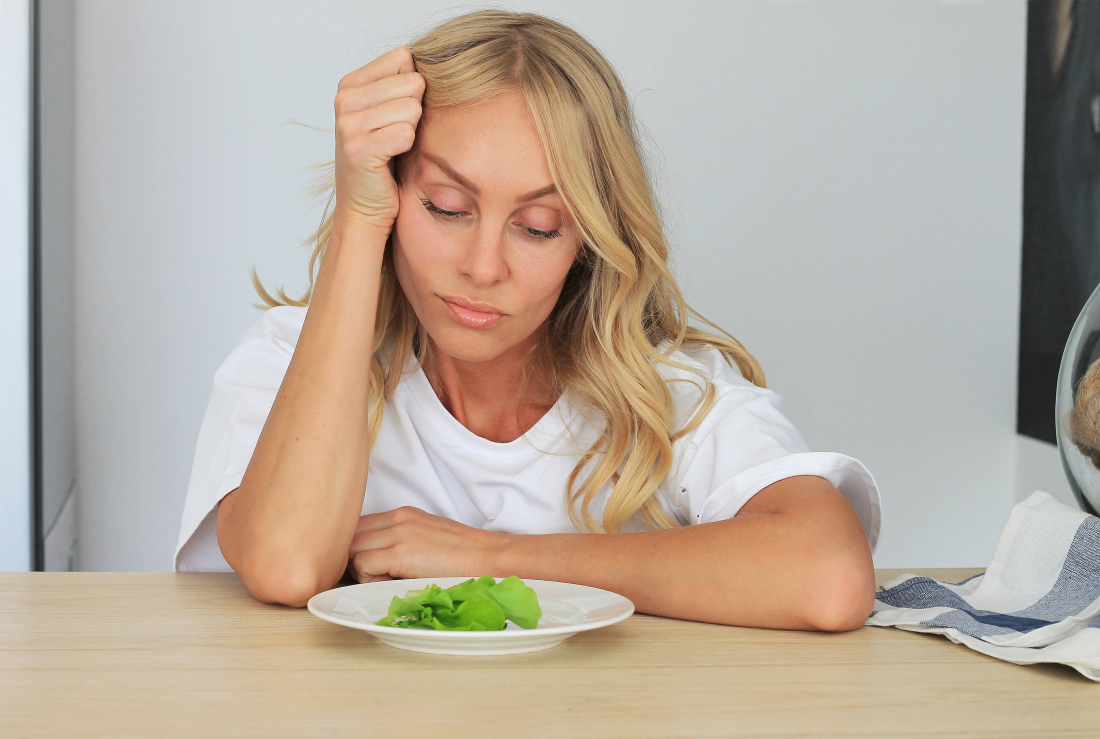
We have parameters and optima for everything. When to eat, how much to eat, what to eat, how much food to include, how much to weigh, how many minutes a day to devote to physical activity, how many hours of optimal sleep... in short, really everything. And what's more? As part of the obsession, you start to encourage those around you that what you are doing is right and they should start doing it too. Orthorexia mostly affects women who are trying to lose weight, improve the condition of their skin, or simply because they want to "fit in" and follow what is trendy today.
HOW MANY PEOPLE SUFFER FROM THIS CONDITION?
We can only estimate the number of people who suffer from orthorexia, given that it is still not defined as a disease. Moreover, it can be very difficult to estimate the line between when an interest in eating is still "healthy" and when it is already an addiction. The information reported in different studies varies widely, and the incidence of orthorexia is reported in a very wide range of 6% - 90%. This may be due to the fact that there are no common and well-defined criteria by which to diagnose this disorder. The enthusiasm for healthy eating only becomes a deviation when it turns into an obsession that negatively affects daily activities. Examples include the inability to eat out, a severe restriction in the number of 'permitted' foods or significant weight loss.
OBSESSION WITH HEALTHY EATING CAN LEAD TO SERIOUS HEALTH PROBLEMS
Like any other addiction, orthorexia has negative health effects. Most commonly, they can fall into one of the following three categories:
PHYSICAL HEALTH
No specific research has yet been conducted on this type of eating disorder, so it can only be assumed that the negative impact on physical health will be similar for orthorexia as it is for anorexia or bulimia, for example. Restricting specific types of food or eliminating certain macronutrients can cause malnutrition, deficiency of certain nutrients, anemia, or bradycardia - an abnormally low heart rate.
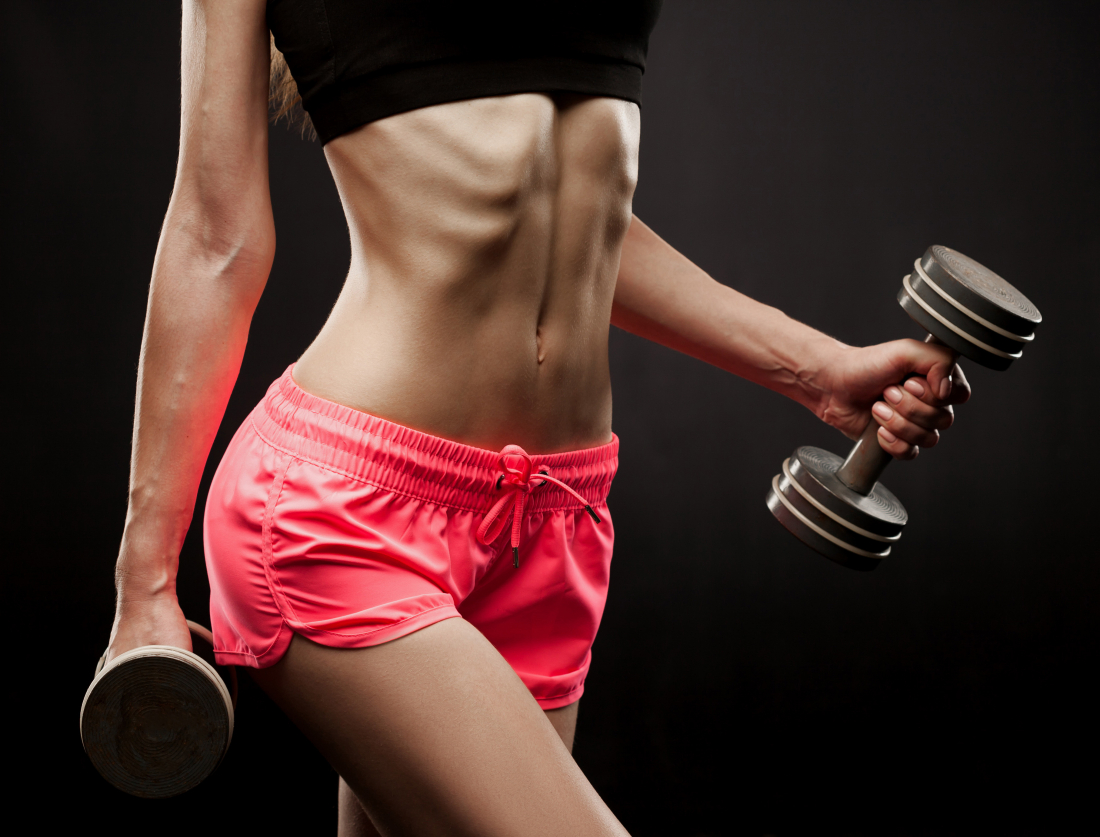
Other complications include digestive problems, hormonal and electrolyte imbalances, metabolic acidosis or impaired bone formation, or bone decalcification to the development of osteoporosis. In addition, skin health, vision and hair loss can also occur. Some of the above complications can be life-threatening and should definitely not be taken lightly!
MENTAL HEALTH
Like other eating disorders, orthorexia has a mental origin. People suffering from orthorexia may experience feelings of frustration that come at times when they do not follow the habits they have set for themselves. When these rules are broken, feelings of guilt, self-hatred develop. People suffering from orthorexia spend most of their time researching and rigorously studying foods, planning menus, weighing and preparing meals. This can lead to reduced work performance, inability to perform job duties, to carry out normal daily activities, and to asocialization.
SOCIAL LIFE
To build smoothly on the last sentence. People who suffer from orthorexia do not like to give up the control they have over their eating. They often follow completely meaningless restrictions that they have set for themselves, and breaking them causes feelings of fear and anxiety. These restrictions also relate to the place, the appropriate time to eat and, above all, the composition of the food. Such restrictions then make other social activities related to eating, such as going to restaurants, impossible. Intrusive thoughts that revolve around eating alone can later start to complicate social relationships. As with other eating disorders, the individual prefers to remain isolated and alone rather than seek out companionship.
WHO IS AFFECTED BY ORTHOREXIA?
Who can be affected by this illness? Virtually anyone who is interested in healthy eating, whether voluntarily or perhaps because of their profession, that's the unpleasant part. The development of this disease is linked to age, gender, level of education attained and also the socio-economic status of the individual. Groups that are critically at risk include athletes (especially, for example, ballerinas, gymnasts or fitness competitors), professions where there is a strong emphasis on appearance (models, actors), young people looking for inspiration on social media or magazine covers. Orthorexia is not exceptional in people who are involved in healthy eating as a profession - doctors, nutritionists, nutrition therapists and dieticians.
ONE EXAMPLE SPEAKS FOR ITSELF
Still not clear what orthorexia actually looks like? Let's take a look at one example that I'm sure you'll all be familiar with. It's about American instagrammer and youtuber Jordan Younger(@thebalancedblonde). Jordan was a raw vegan (a vegan who only eats uncooked food) with a fan base of many thousands on her account. She was approached by a product company specializing in individuals who follow veganism and offered many thousands worth of detox products completely free. Jordan boldly took the plunge into testing, using the products at least 3 times a week and after completing the "cure" and returning to her normal diet, she always suffered from major stomach upset, despite eating a strict plant-based diet. She was unable to admit to herself that detoxes and veganism could be behind her problems and started skipping solid food even more severely. Believing that detoxes would help her from her problem, she started doing them more, more often and started going in circles. She suffered from a fear of food and therefore didn't even go out with people. Instead of giving up detoxes and veganism to get her health back to the state it should be in, she began to profess her veganism even more radically.
In the spring of 2014, she realized that she was no longer the image of health that she was promoting. She had trouble sleeping, felt anxiety around the foods she was consuming, began having problems with hair loss, and rapidly lost weight. Eventually she stopped menstruating, which was the last straw for her. She began to realize that she was suffering from an eating disorder and began to address the problem. She knew she had a problem, but her problem "didn't have a name" - it wasn't anorexia or bulimia. It was an obsession with healthy, clean plant-based foods and a simultaneous fear of anything that could harm her body.
Recommended
She sought professional help and began treatment. After undergoing treatment, she abandoned strict veganism and, as she says, it was the best thing she could have done. Living without labels, without belonging to any extreme eating group, gave her more strength than convincing herself and those around her that veganism was the best thing they could do.
"Instead of fearing food, I wake up thinking about life. I dedicate my time to great people and my personal passions - like my blog, which is now all about balance. Sure, I still have scary days when my thoughts revolve around food. But I'm learning, and I'm proud of it. I'm trying to listen to my body, be kind to myself, and forgive. I eat when I'm hungry and I don't eat when I'm not. For the first time in years on veganism and strict rules, my blood sugar is stable and I'm not afraid to have a piece of cake (full of white flour!) for my birthday with my friends. Heck, for my own birthday. I've come a really long way, and that's a victory in itself."
HOW IS ORTHOREXIA DIAGNOSED?
As mentioned earlier - orthorexia is not labeled as a disease by the protasis, so diagnosing it is quite problematic. To make it easier to tell orthorexia and normal physiological conditions apart, Bratman and Dunn have created diagnostic criteria, which are divided into the following two parts:
1. The first part consists of questions related to obsessive preoccupation with healthy eating. Such preoccupation can lead to exaggerated emotional distress about food choices. The criteria for this group may relate to compulsive behaviour regarding food choices, anxieties that arise when one breaks one's own rules. All issues related to eating habits and rules also fall into this category.
2. The second part of the criteria is related to compulsive behaviours that limit the individual in everyday life. This results in the following consequences such as malnutrition, severe weight loss or other health complications. Disruption of social relationships, functioning at work or school. And last but not least, the dietary guidelines that the ill person sets have a major impact on how he or she perceives his or her appearance, how satisfied he or she is with his or her own body and what kind of self-esteem he or she has.
WHAT CAN I TAKE AWAY FROM THIS ARTICLE?
Taking an interest in health and healthy eating is very important. However, "everything in moderation" also applies in this case. Obsession with a healthy lifestyle comes gradually and basically quite unexpectedly, which makes it a dangerous adversary. In our desire to look better or improve our eating habits, we often embark on completely illogical rules and unnecessary exclusion of foods or macronutrients. This is the reason why we end up deficient in minerals, trace elements or macronutrients as such and our health suffers rather than doing it any favours. Don't go to any extremes, detox programs, or follow any overly strict dietary rules. Be cautious around who you follow on social media and what that person recommends - just because someone looks good or is famous doesn't mean they are right and doing the right things. Approach eating sensibly, it's the best thing you can do for your health.
Sources:
https://www.ncbi.nlm.nih.gov/pubmed/23760837
https://www.ncbi.nlm.nih.gov/pubmed/18791881
https://www.ncbi.nlm.nih.gov/pmc/articles/PMC4340368/
http://www.scirp.org/journal/PaperInformation.aspx?PaperID=29643
https://www.ncbi.nlm.nih.gov/pubmed/21998605
http://www.sciencedirect.com/science/article/pii/S1471015315300362
https://www.ncbi.nlm.nih.gov/pubmed/26902744
https://www.ncbi.nlm.nih.gov/pubmed/19932826
https://www.ncbi.nlm.nih.gov/pubmed/19367138
https://www.refinery29.com/en-us/jordan-younger-vegan-orthorexia
No posts have been made yet.








