





Discover the magic of nuts as a calorie-packed snack full of beneficial nutrients that make it a miracle for your health.
 Author:
 Nuts can be a great snack or a convenient way to fight off cravings and still do something for your health. Each type has its own "something", but beware - onlynatural variants, i.e. without chocolate, unsalted, unroasted. Nuts contain a lot of calories, so you need to control the amount, but today we're going to talk about how the fat you take in thanks to nuts is actually not that bad.
Despite the fact that nuts are ahigh-calorie food, they cannot be considered inappropriate for your diet, even if your primary goal is to reduce. Previously, when low-fat diets were a hit, peanuts were looked upon in a rather bad light. Today, we're in exactly the opposite corner. Modern approaches like paleo, keto, and other diets based on eating mostly fat and protein consider nuts as one of the most important sources of fat. And other eating styles consider them beneficial as well, thank goodness.
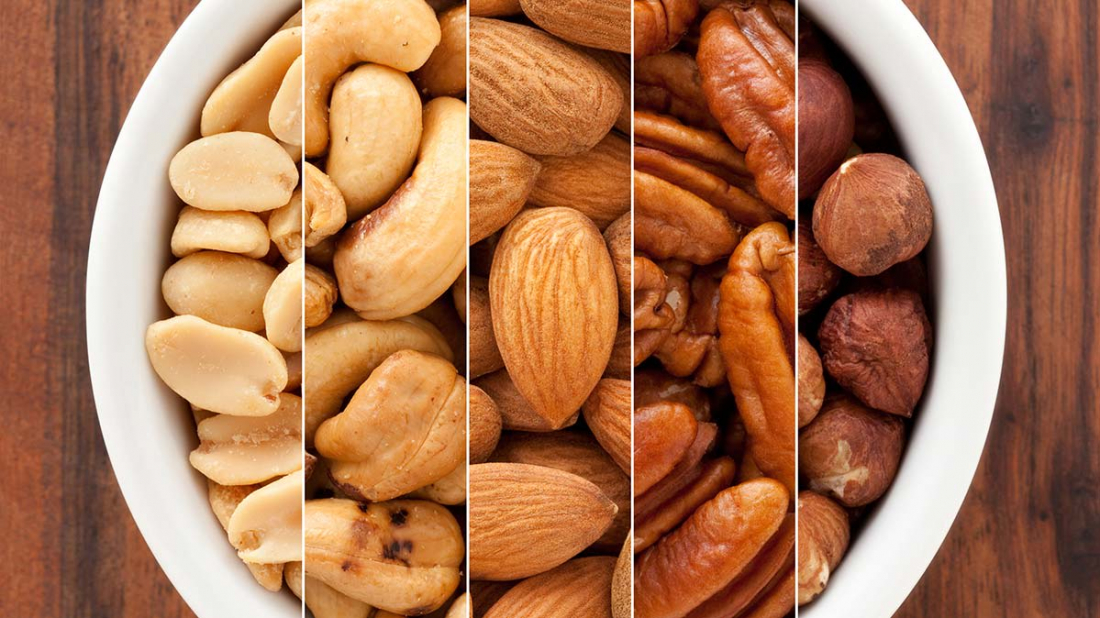
Recent studies show that eating nuts within reasonable limits is mostly beneficial to the body, in many ways. Nuts are very beneficial for the heart. It is thanks to the discovery of this benefit that their consumption has received a lot of attention. Thus, they work as a prevention against cardiovascular diseases, have a positive effect on high blood pressure, help to lower cholesterol, are important for the brain and can even help you lose excess pounds. So, you could say that nuts are beneficial for health overall. According to studies, a sufficient intake of monounsaturated, and even saturated fats, which are considered "bad", helps maintain healthy testosterone levels, which I'm sure all gentlemen will appreciate!
As mentioned, nuts contain mostly fats, both saturated and unsaturated. And of course, that's not all. Nuts are very rich in vitamins and minerals, fibre and are also a source of plant protein. They should definitely have a place in a healthy diet. Have a handful for a snack, in a salad, just to taste, or add them to dessert! Another great modern-day convenience is nut butters.. choose a version made only from pure nuts and they'll serve the purpose just as well as whole nuts. With butters, however, beware of quantity, this delicacy is extremely addictive and very caloric. Nuts in general are one of the most calorie dense foods and therefore you need to not overdo it with the amount. They are small, and this can make us feel like we can eat a lot of them - but calories are still calories. So let's go over the specific types of nuts, their nutrients, and a list of the benefits you can give your body by eating them.
MANDLE
We can't introduce other nuts first, because almonds are considered the best ever. They contain quite a lot of protein, and half of the carbohydrates they contain are made up of fiber. They also contain monounsaturated fats, zinc, calcium, manganese, phosphorus, magnesium, and are an important source of vitamin E.
Almonds are very beneficial for the heart and also help regulate cholesterol levels. A number of studies have concluded that almonds help reduce "bad" LDL cholesterol, total cholesterol and oxidized LDL cholesterol, which is particularly harmful to heart health.
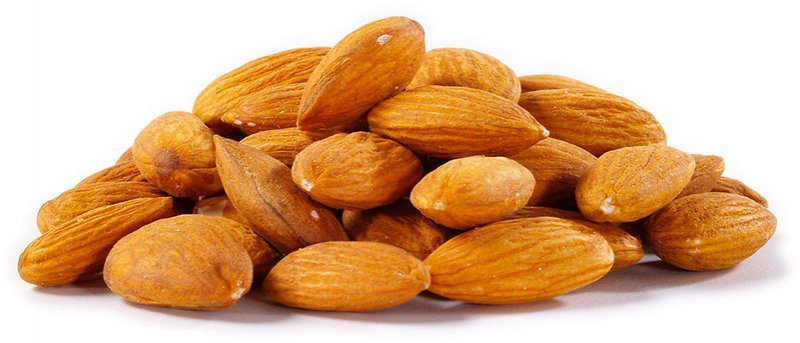
Studies suggest that almonds are also a great help for people who are overweight and obese. In fact, due to their consumption (and fat content), individuals who had them added to their diets consumed fewer calories. Almonds also help to lower blood pressure in the obese. Lastly, it is worth mentioning that almonds have a positive effect on the intestinal microflora and promote the growth of beneficial intestinal bacteria.
Nutrient content per serving (28g) :
- Calories: 161
- Fat: 14 grams
- Protein: 6 grams
- Carbohydrates: 6 grams
- Fiber: 3.5 grams
- Vitamin E: 37% DDD (recommended daily allowance)
- Magnesium: 19% DDD
WALNUTS
"Walnuts" are the only nuts that contain a solid amount of alpha-linoleic acid, a plant-based form of omega-3 fatty acids. But you will know from our article on omega-3s that although ALA is classified as an omega-3, it must be converted to EPU and DHA in the body, so we would have to eat a lot of walnuts to get any significant omega-3 intake. Walnuts also contain manganese, folic acid and vitamins B1 and B2.
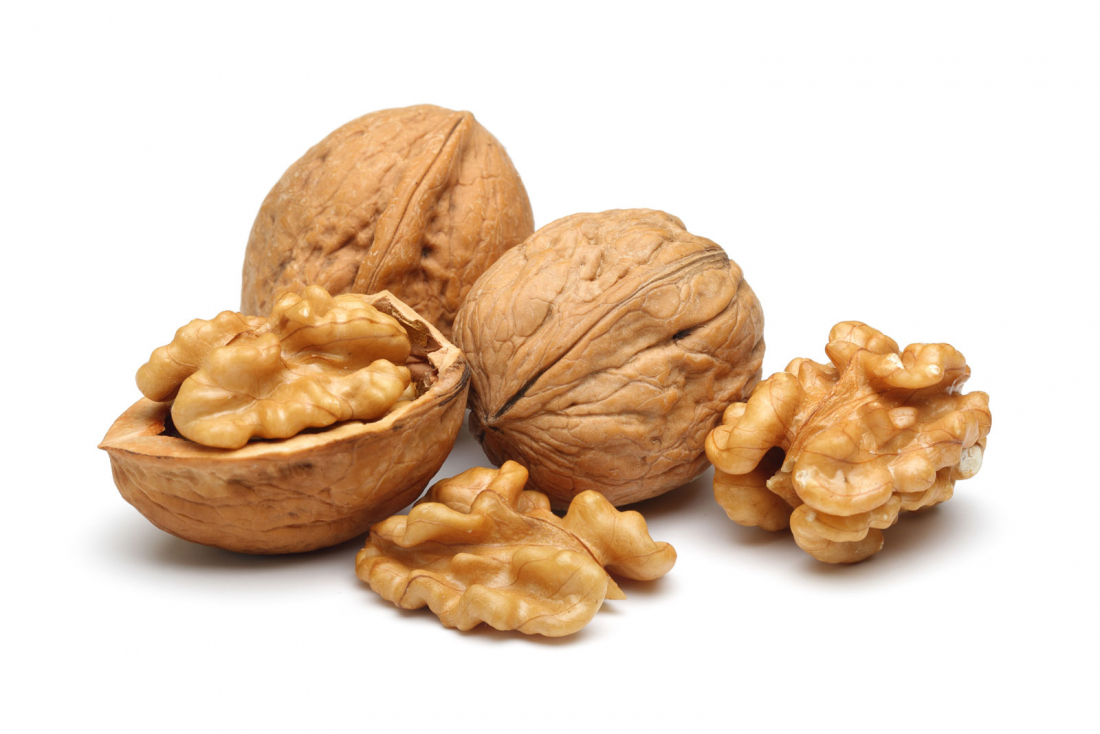
Walnuts are also important for heart health. They help the body produce nitric oxide, which is critical for maintaining the elasticity and dilation of blood vessels, plus they help keep cholesterol levels in a favorable state. They also help to improve other factors affecting heart health and also support immunity. Walnuts can also have a positive effect on brain function, according to studies.
Some people dislike walnuts because of their bitter taste. However, their health benefits are really quite significant. Try adding walnuts to yogurt and drizzle with a little honey.
Nutrient content per serving (28g) :
- Calories: 182
- Fat: 18 grams
- Protein: 4 grams
- Carbohydrates: 4 grams
- Fibre: 2 grams
- Vitamin E: 1% DDD
- Magnesium: 11% DDD
PARA NUTS
Para, or Brazil nuts, are higher in fat and lower in carbohydrates than other nuts , with the majority coming from fiber. Para are known for their high selenium content, a substance that has a positive effect on the thyroid gland, which as you know, controls metabolism. Furthermore, selenium is also involved in boosting the immune system and research shows that sufficient intake is important for maintaining muscle mass. They contain a hefty dose of selenium, so if you have just two nuts, you can easily cover your daily dose of this mineral.
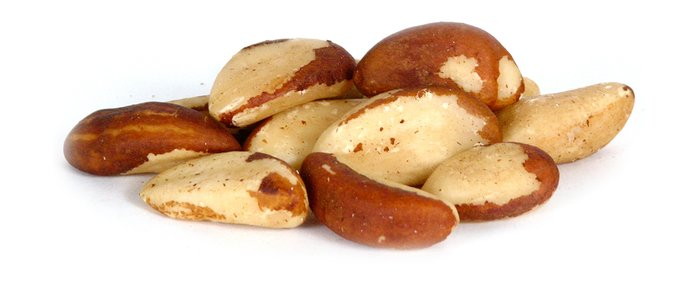
Brazil nuts can also lower cholesterol levels. What's more, they can reduce oxidative stress, thanks to the fact that selenium is considered a powerful antioxidant. Selenium deficiency is relatively rare, as the required daily dose is quite low. They may contain carcinogenic aflatoxins, so it is not worth overdoing it with their consumption.
Nutrient content per serving (28g) :
- Calories: 182
- Fat: 18 grams
- Protein: 4 grams
- Carbohydrates: 3 grams
- Fibre: 2 grams
- Vitamin E: 8% DDD
- Magnesium: 26% DDD
KEŠU
Cashews are very popular because of their sweet taste. They have less fat - and therefore fewer calories - than other nuts. On the other hand, they are higher in carbohydrates and only about 1g of that is fiber. However, they have a very good protein content. In addition, cashews are very high in starch and are therefore used in some cuisines for thickening. They are also considered to be an antioxidant food.
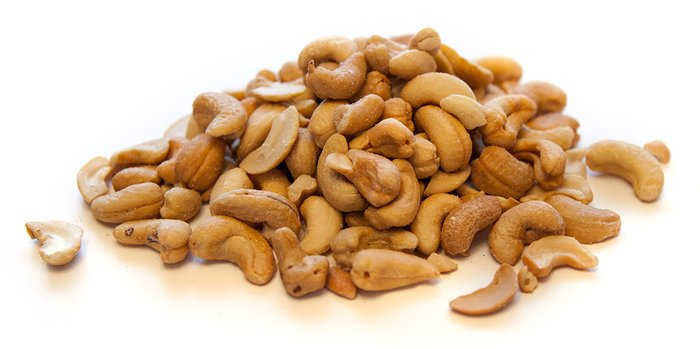
Several studies have concluded that cashews help improve the symptoms of metabolic syndrome and blood pressure in people suffering from this disease. Other studies suggest that cashews increase the antioxidant potential of the diet.
In one serving (28g) they contain:
- Calories: 155
- Fat: 12 grams
- Protein: 5 grams
- Carbohydrates: 9 grams
- Fiber: 1 gram
- Vitamin E: 1% DDD
- Magnesium: 20% DDD
PISTACHIOS
Pistachios have relatively little fat and a lot of protein for a nut. What's worth noting is that they are the richest in fiber of the nuts you choose. Like other nuts, they have a positive effect on cholesterol, specifically helping to raise HDL, the "good" cholesterol. Pistachios also have a positive effect on the heart and blood vessels. In addition, they can also reduce blood sugar spikes after meals and reduce oxidative stress. They are a source of magnesium, manganese, zinc, iron, folic acid, phosphorus and vitamins B1 and B2.
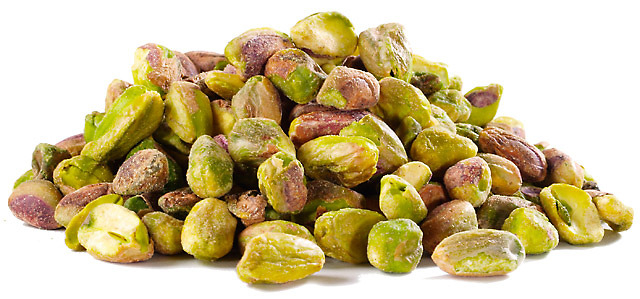
Nutrient content per serving (28g) :
- Calories: 156
- Fat: 12.5 grams
- Protein: 6 grams
- Carbohydrates: 8 grams
- Fiber: 3 grams
- Vitamin E: 3% DDD
- Magnesium: 8% DDD
HAZELNUTS
Hazelnuts are one of the most nutritious of the durga nuts and are quite high in fat. For example, they also contain quite a lot of vitamin E. In addition, hazelnuts contain phosphorus, iron, zinc and magnesium. Like other nuts, hazelnuts have a good effect on the heart and affect cholesterol levels.
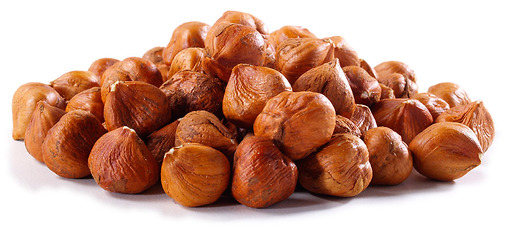
In one serving (28g):
- Calories: 176
- Fat: 17 grams
- Protein: 4.2 grams
- Carbohydrates: 5 grams
- Fiber: 3 grams
- Vitamin E: 37% DDD
- Magnesium: 20% DDD
ARACHIS
Although peanuts are not really nuts, but belong to the legume family, but they are still often classified as nuts and therefore should not be omitted. Peanuts are anexcellent source of monounsaturated fats, which are an important support for testosterone production. Like other nuts, they contain quite a bit of protein and a minimum of carbohydrates. They also contain folic acid, vitamin E, magnesium and phosphorus. They are also considered an antioxidant and contain coenzyme Q10. Peanuts may also reduce the risk of heart disease.
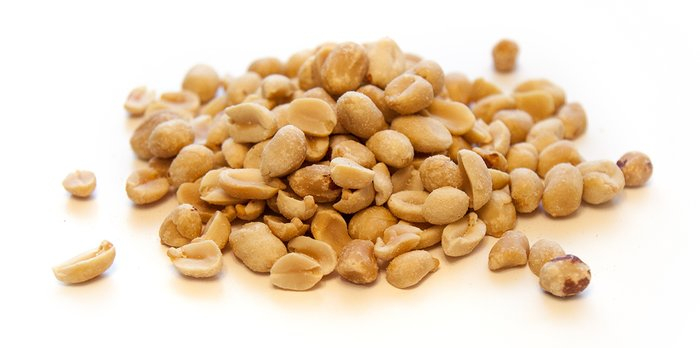
For the fitness community, peanut butter is probably the most well-known way to consume them. A popular treat for which the above also applies. But be careful about the ingredients and only buy natural products without added sugar and trans fats. Ideally, if the product has only one ingredient in its ingredients - peanuts. Also watch out for salty treats, which can significantly eliminate their health benefits.
In one serving (approx. 28g) we find:
- Calories: 176
- Fat: 17 grams
- Protein: 4 grams
- Carbohydrates: 5 grams
- Fiber: 3 grams
- Vitamin E: 21% DDD
- Magnesium: 11% DDD
IN CONCLUSION...
Nuts and nut butters are one of the most popular snacks ever. If you choose the natural versions, you will be doing your body a great service, as nuts are a very nutritious food, high in vitamins and minerals and are therefore very beneficial for overall health. Although they contain quite a lot of fat, the fats from them are mostly beneficial if consumed in reasonable quantities. They are really high in calories, so you need to be careful how many you eat, if only because their size encourages you to eat more. Although they are considered good for weight loss regimes, in large quantities they could easily add a few pounds! But don't forget to add other healthy fats to your diet, such as avocados or some fattier fish. And it's good to rotate nuts too, because as you can see - each type gives your body something a little different.
Sources:
https://www.ncbi.nlm.nih.gov/pmc/articles/PMC4330049/
https://onlinelibrary.wiley.com/doi/abs/10.1002/jsfa.2659
https://www.ncbi.nlm.nih.gov/pubmed/11983840
https://www.ncbi.nlm.nih.gov/pubmed/9029197
https://www.ncbi.nlm.nih.gov/pubmed/17684204
https://nutritiondata.self.com/facts/nut-and-seed-products/3091/2
https://www.ncbi.nlm.nih.gov/pubmed/23415431
https://www.ncbi.nlm.nih.gov/pubmed/12672709
https://www.ncbi.nlm.nih.gov/pubmed/21364607
https://www.ncbi.nlm.nih.gov/pubmed/11983840
No posts have been made yet.








