





Bez and its health benefits
 Author: Šárka Randáčková
 Elderberry is one of the most commonly used plants in world medicine.
The Indians used it against infections, the Egyptians against burns and skin disorders. Especially in Europe, it is still used today as a supplement against colds and flu symptoms.
However, the raw berries, bark and leaves of the plant are poisonous and cause stomach upsets.
This article looks at elderberry in more detail and examines all its benefits and dangers.
What is elderberry?
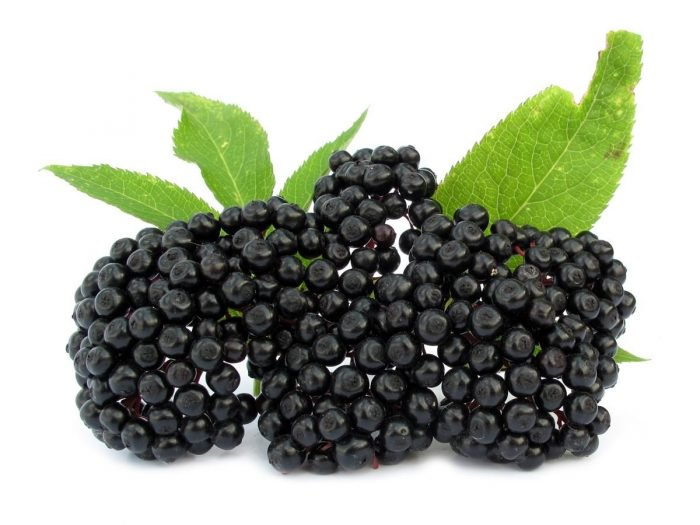
Elderberry refers to the different species of the Sambucus shrub. The most common is the negra variant, which is known in Europe as black elder. This shrub is native to Europe but is also grown in various other parts of the world.
The black elderberry grows up to 9 metres tall, has small white flowers and small dark berries. The berries are quite bitter and need to be boiled before eating. The flowers have a delicate musky aroma and can be eaten raw or cooked.
Many parts of the elder have historically been used medicinally. In particular, the flowers and leaves have been used to relieve pain, swelling, inflammation, stimulate urine production and induce sweating. The bark has been used as a diuretic, laxative and to induce vomiting.
In folk medicine, the dried fruit was used to treat flu, infections, sciatica, headaches, toothaches, heart, nerve pain, and as a laxative and diuretic.
In addition, the berries can be cooked and used to make juice, jam, cakes and wine. The flowers are boiled with sugar to make a sweet syrup or added to tea. They can also be eaten fresh in salads.
HEALTH BENEFITS
These are countless. From its richness in nutrients, to suppressing flu symptoms, to fighting heart disease, inflammation and infections.
Besides having very few calories and a large amount of antioxidants. In 100 grams of fresh berries there are only 73 calories, 18.4 grams of carbohydrates and less than 1 gram of protein and fat. Furthermore, it has many nutritional benefits.
High nutrient content
High in vitamin C: Contains 6-35 mg of vitamin C per 100 g of fruit, which is 60% of the recommended daily intake.
High in fibre: Specifically, 7 g of fibre per 100 g of berries, which is more than 1/4 of the recommended daily intake.
Enough phenolic acids: Which are powerful antioxidants that can help the body fight oxidative stress.
Enough flavonols: Free contains the antioxidant flavonols quercetin, kaempferol and isorhamnetin. The flowers contain 10 times more of these than the berries.
A good amount of anthocyanins: These give the berries their typical dark colour and have strong anti-inflammatory effects.
The specific nutrient content varies according to elder variety, ripeness and treatment.
It probably improves the course of influenza
Elderberry extracts and infusions of the flowers have been shown to reduce the intensity and duration of the flu.
Commercial elderberry preparations come in various forms such as liquid, capsule, mints and gelatin.
One study on 60 people with flu found that those who took 15 ml of elderberry syrup 4 times a day showed improvement in symptoms in 2 or 4 days. The control group took the same for 7 or 8 days.
Another study, which gave 64 people 175-mg mints with elderberry extract for 2 days, showed marked improvement in symptoms in as little as 24 hours.
Further, a study on 312 air travelers who took 300 mg of elderberry extract 3 times a day found that those who got sick experienced a shorter course of flu and milder symptoms.
However, larger studies are needed to determine the true effect of elderberry on influenza. And note that most of the studies have been conducted on commercial preparations. No one is testing the actual effect of homemade elderberry preparations.
High antioxidant content
During normal metabolism, highly reactive molecules are released in the body. These can cause oxidative stress, and lead to the development of diseases such as type 2 diabetes and cancer.
Antioxidants are natural components of foods that remove these molecules. Research suggests that a diet rich in antioxidants may prevent the development of chronic diseases.
Elderberry flowers, berries and leaves are excellent sources of antioxidants.
A study comparing 15 different types of berries and wine found that elder has some of the most effective antioxidants.
Further, one study found that the antioxidant status of people improved as little as 1 hour after drinking 400 ml of elderberry juice. Another study found that this juice helps reduce inflammation and oxidative damage.
In the lab, bez is excellent, but we don't have enough results on humans yet. In general, its dietary intake has little effect on antioxidant status(17).
In addition, processing may alter the antioxidant properties of elderberry, so juices, teas, and jams may have reduced potency compared to the laboratory results mentioned above.
May be good for the heart
Elderberry may positively influence indicators of heart health. Studies have shown that it can lower blood fat and cholesterol, and its antioxidants even directly reduce the risk of heart disease.
However, one study on 34 people, with 400 mg of elderberry extract given 3 times a day for two weeks, found no noticeable reduction in cholesterol levels.
Another study, this time on mice with high cholesterol levels, found a reduction in it in the liver and aorta but not in the blood after elderberry.
Other studies found that mice given elderberry antioxidants had lower blood pressure and were less prone to organ damage due to high blood pressure.
Elderberry may further reduce uric acid in the blood. Higher levels of it are associated with high blood pressure and its negative health effects.
In addition, elderberry may increase insulin production and improve blood sugar levels. Since type 2 diabetes is a significant factor in heart disease, blood sugar control is quite crucial for these diseases.
Studies have found that elder flowers can positively affect blood sugar control in mice.
Despite these promising results, there are still no reports of direct reductions in heart attacks and other major symptoms of heart disease, so more research in humans is needed.
Other health benefits
Bez has many other benefits, but most of these are supported by limited scientific evidence.
It helps fight cancer: Both European and American elderberry species show promising results in this regard under laboratory conditions.
Fights harmful bacteria: Elderberry inhibits the growth of bacteria such as Helicobacter pylori and possibly relieves symptoms of sinusitis and bronchitis.
May support the immune system : In mice, it has been shown to increase white blood cell counts.
Could protect against UV rays : Elderberry product has been measured to have a sun protection factor (SPF) of 9.88.
May increase urination : Elderflower increases urinary frequency and the amount of salt excreted in mice.
May have antidepressant effects: One study found that mice on 1,200 mg of elderberry extract per 1 kg of weight had improved performance and mood indicators.
These are interesting results, but more research on humans is needed to determine their significance. Again, it should be noted that the bioactive content of commercial elderberry products is not measured in any way. One study showed that, depending on the method used to measure anthocyanin content, one supplement had 762 mg/L of anthocyanins listed on the label but contained only 4 mg/L. This is to say that determining the effect of currently available products can be quite difficult.
RISKS AND SIDE EFFECTS
In addition to the positives, going without also has some downsides.
The bark, unripe berries and seeds contain small amounts of lectins, which can cause stomach upset in higher amounts.
The elderberry plant also contains substances called cyanogenic glycosides, which can release cyanide under certain circumstances. This is a toxin that can also be found in the seeds of apricots and almonds.
There are 3 mg of cyanide in 100 g of fresh berries and 3-17 mg in 100 g of fresh leaves. These are only 3% of the estimated lethal dose for a (60-kg) person.
However, commercial products do not contain cyanide, so we have no reports of deaths associated with them. Symptoms of ingesting raw berries, leaves, bark or roots include nausea, vomiting and diarrhea.
We have reports of eight people who have become sick after drinking juice from fresh berries containing Mexican elderberry leaves and branches. They experienced nausea, vomiting, weakness, dizziness, and a feeling of fainting.
Cooking the berries gets rid of the toxic substances, but the branches, bark, and roots should not be used for cooking either.
If you are picking the elder yourself, make sure it is a European or American variety, as others could be more toxic. Also, make sure you do not process the bark or leaves.
Elderberry is not recommended for children or adolescents under the age of 18 and pregnant or nursing women. Although we have no direct reports of danger to these groups, due to lack of data, we cannot even confirm that bez is safe for them.
CONCLUSION
Although bez is associated with many health benefits, most research has been conducted under laboratory conditions and without sufficient testing in humans. For this reason, bez cannot be recommended for any specific health benefit.
We have decent evidence of its effects on relieving flu symptoms, and it may also promote heart health, antioxidant status in the body, prevent cancer, diabetes, and have anti-inflammatory effects.
What's more, elderflower is a good addition to a healthy diet, providing you with vitamin C, fibre and antioxidants.
Source: www.healthline.com
Author: Elise Mandl BSc.
Translated by Jaromír Uhlíř
Author: Šárka Randáčková No posts have been made yet.








