





A healthy body in ten days, that's what the detox promises.
 Author:
 A detox, a cleanse, a week on juices, or investing in a guaranteed product (ideally a really expensive one) that will rid your body of all harmful substances! Sounds great - you'll be healthy, slim, beautiful, vital... or not? What's the deal with the detox?
What is a detox anyway?
Detox, or cleansing as you prefer, is supposedly a very important method to rid your body of harmful substances, called toxins, which we will define below. How? Most often, some kind of very restrictive diet is used - it depends on what you actually want to "cleanse". This is because some cleanses only target specific organs, while others aim to "cleanse" you from head to toe.
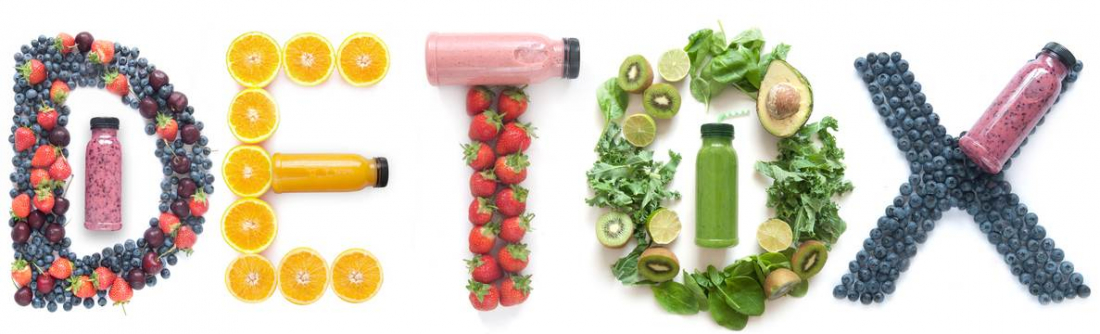
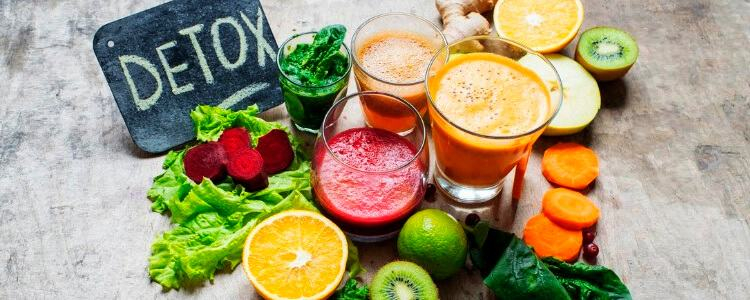
Detox diets are usually very restrictive. Food is usually limited to fruit and vegetable juices or other approved beverages. Or they consist of drinking some already prepared (very tasty, of course) cocktail. The desired result of such a diet promises to remove all toxins and, in fact, any disease from your body. Detox diets differ from each other only in small ways, so you can actually argue that each method is guaranteed for a limited time, then just substitute another one - once you drink juice from nettle, then from spinach.
Let's talk some more about what the "toxin" is that we're going to get out of the body using some chosen detoxification technique.
According to US scientists, toxins are defined as "substances created by plants and animals that are poisonous to humans. Toxins also include some drugs that are useful in small doses but are poisonous in large amounts " - if we engage common sense, this definition shows that almost any substance can be toxic (poisonous) when in large quantities. Some of the foods that detox experts say cause a "toxic load" include dairy products, gluten-containing products, coffee, alcohol, red meat, and a bunch of others. But the "toxin" group also includes all sorts of vegetables such as tomatoes, peppers and eggplant, because they are (wrongly) said to cause inflammation.
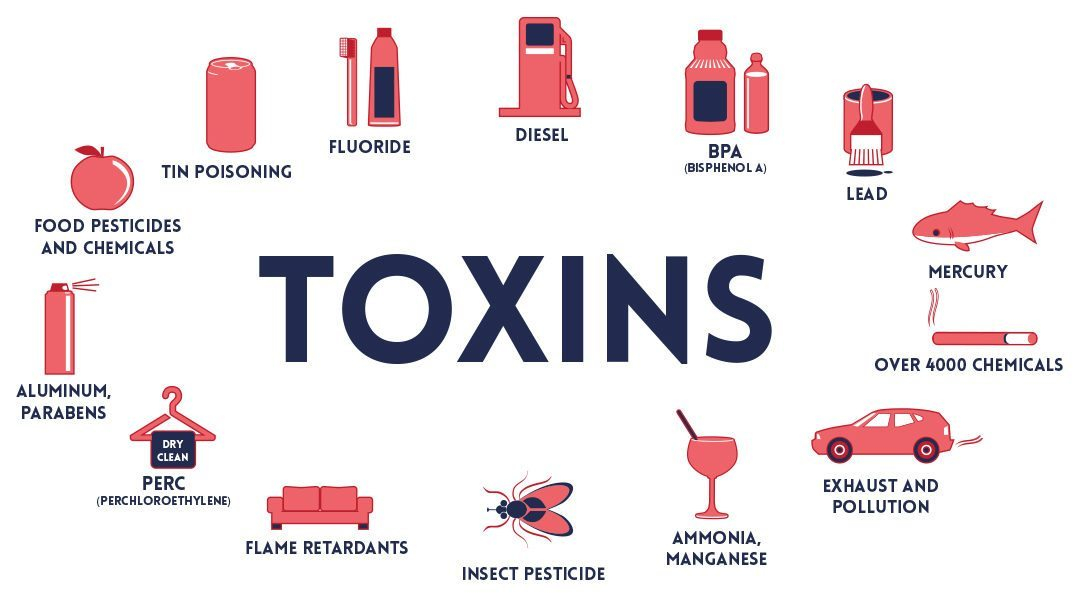
However, in the context of the detox we are discussing, a "toxin" is any substance that is said to be toxic or harmful, probably accumulating in the body over time, and therefore you need a detox from time to time to get rid of all those toxins and your body will literally glow. Major toxins include heavy metals, pollutants, pesticides, preservatives, food additives such as food coloring and artificial sweeteners, added sugars, and synthetic chemicals in general. Toxins are also substances produced by factories, cars, in short, the various fumes and gases we are forced to breathe.
Okay, so how do we recognise toxicity?
Indeed, any substance can be toxic, whether it is natural or synthetic. What matters is the context in which it is identified as harmful. This is because it depends on many factors. For example, many foods and substances are very often labelled unsuitable because they are tested on animals, whereas they are perfectly fine for the human body.
Another factor to take into account is undoubtedly the quantity. Even water can be dangerous if you drink too much of it in a short period of time, as it reduces the electrolytes that muscles need to function.
Under this point also comes the idea that after all there must be foods or substances that are always bad. How about cigarettes, alcohol, drugs? Tobacco and drugs are bad, there is nothing positive to be found in those. But alcohol in small doses can provide health benefits. Of course, in large quantities it is harmful, increasing the risk of cancer or cirrhosis of the liver.*
* cirrhosis = a chronic liver disease in which the liver tissue and blood vessels gradually rebuild.
Another often cited reason for supposedly needing to detox is the intake of heavy metals, which can lead to more serious health problems. Fish are often mentioned in connection with heavy metal intake. Yes, unfortunately some fish does contain heavy metals, but that is no reason to cut them out of your diet completely and deprive yourself of important omega-3 fatty acids. Again, let's stress that it is the amount of a food that determines when it is toxic. By alternating between different types of fish, there is no need to worry too much about heavy metals in the body. And similarly with sweeteners, fructose, gluten and so on. It always depends on the amount of substance ingested.
But now for the main thing...
Does the body really need a detoxification program?
If you have functioning excretory organs - i.e. liver, kidneys, lungs and others, then congratulations, your detoxification is going on continuously, even without any outside help (drugs, juices). You don't even need to cleanse these organs, unless you have some acute disorder of one of the excretory organs - the body is simply not some pipe that you have to cleanse from time to time to keep it working well. The body handles this cleansing on its own. Yes, indeed.
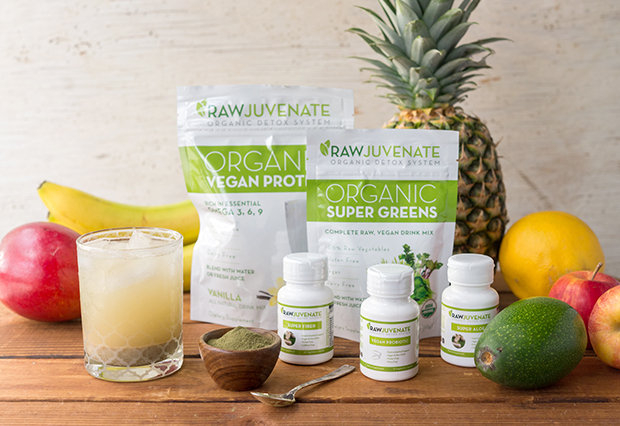
So the best detox for you isn't a diet based on a brutal calorie deficit that involves drinking all sorts of juices, or investing in some overpriced, though certainly well-promoted, product. Research conducted in 2010 showed that not a single one of the companies offering "detox supplements" could provide any credible evidence that their products actually work. Worse, most companies were not even able to define the "toxins" their products are designed to combat. Sadly.
The sellers of these products often promise mountains of mines, but never give you any substantiated, real and meaningful justification as to why the foods in question are toxic. The fact that no company can name the toxin that their products suppress proves just what effect such a cleanse can probably have. To scientifically determine the effectiveness of a treatment, researchers must first identify the toxin to accurately measure its accumulation in the body. And only then, based on the results, can they investigate the toxin further and make conclusions about its harmfulness. The truth is that very little research has been done on the subject of detox.
So can they have any benefits?
Well, it's hard to say. With some very restrictive diets, you'll probably lose weight pretty quickly (and perhaps significantly). However, the weight loss will very likely only be temporary, whether due to dehydration, intake below basal metabolic rate, or overall unbalanced diet. Detox programs are short-term and usually focus on eating a certain type of food - usually fruits and vegetables. So, after returning to a full diet, you will very likely gain your pounds back, maybe even a few extra pounds. You know that "economy mode" of the body - the so-called yo-yo effect. It just stores a little extra, just in case you ever think of such a useless thing again :)
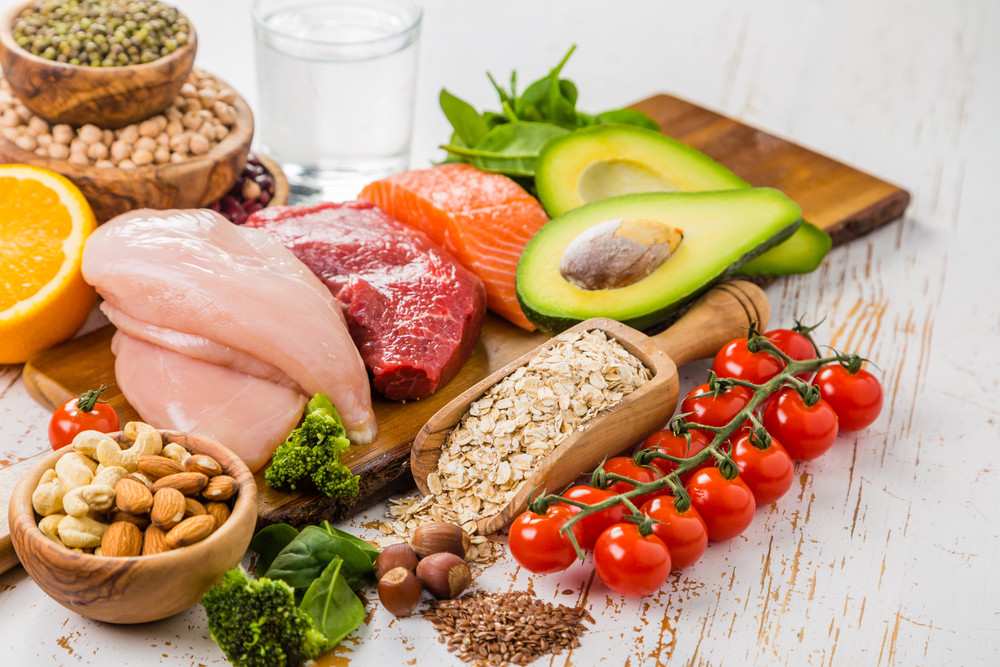
The only thing you're absolutely certain to detoxify when you invest in a supplement designed for cleansing is your wallet. Since there is no evidence to suggest that these products have any purpose or conclusive results, you'll do better to invest in a quality diet. If you eat a healthy, varied, balanced and wholesome diet, you don't need to practice any cleansing based on eating only certain foods, because often you will do much more harm than good. Of course, there are plenty of people who will claim that detoxes are very important, but there is not a single piece of relevant evidence to support this hypothesis.
Sources.
No posts have been made yet.








