




Rich Gaspari warns bodybuilders: A single mistake can ruin months of hard training!
 Author:
Legendary American bodybuilder Rich Gaspari was among the competitors with the most striking muscle definition in the 1980s. He finished second three times at Mr. Olympia and in 1989 became the first-ever winner of the Arnold Classic. Drawing on his experience preparing for the most prestigious bodybuilding competitions, he has now drawn attention to a problem that, in his view, still plagues many professional and amateur competitors.
In a video posted on November 5, 2026, he explained why some bodybuilders fail to translate their long months of preparation into the desired form on the competition stage.
The biggest mistake? Drastic last-minute changes
According to Gaspari, many competitors run into trouble during “peak week”—the final week before the competition. After sixteen weeks of a strict diet, some athletes decide to radically change their intake of carbohydrates, water, or sodium.
The goal is to achieve maximum muscle fullness and pronounced definition. However, the result can be the exact opposite. Gaspari specifically pointed out situations where competitors first drastically cut back on carbohydrates and then, within a few days, try to replenish their muscles with glycogen as quickly as possible.
The resulting physique may not meet their expectations. According to Gaspari, the final week should not be a time for untested experiments, but rather the culmination of the entire competition preparation.
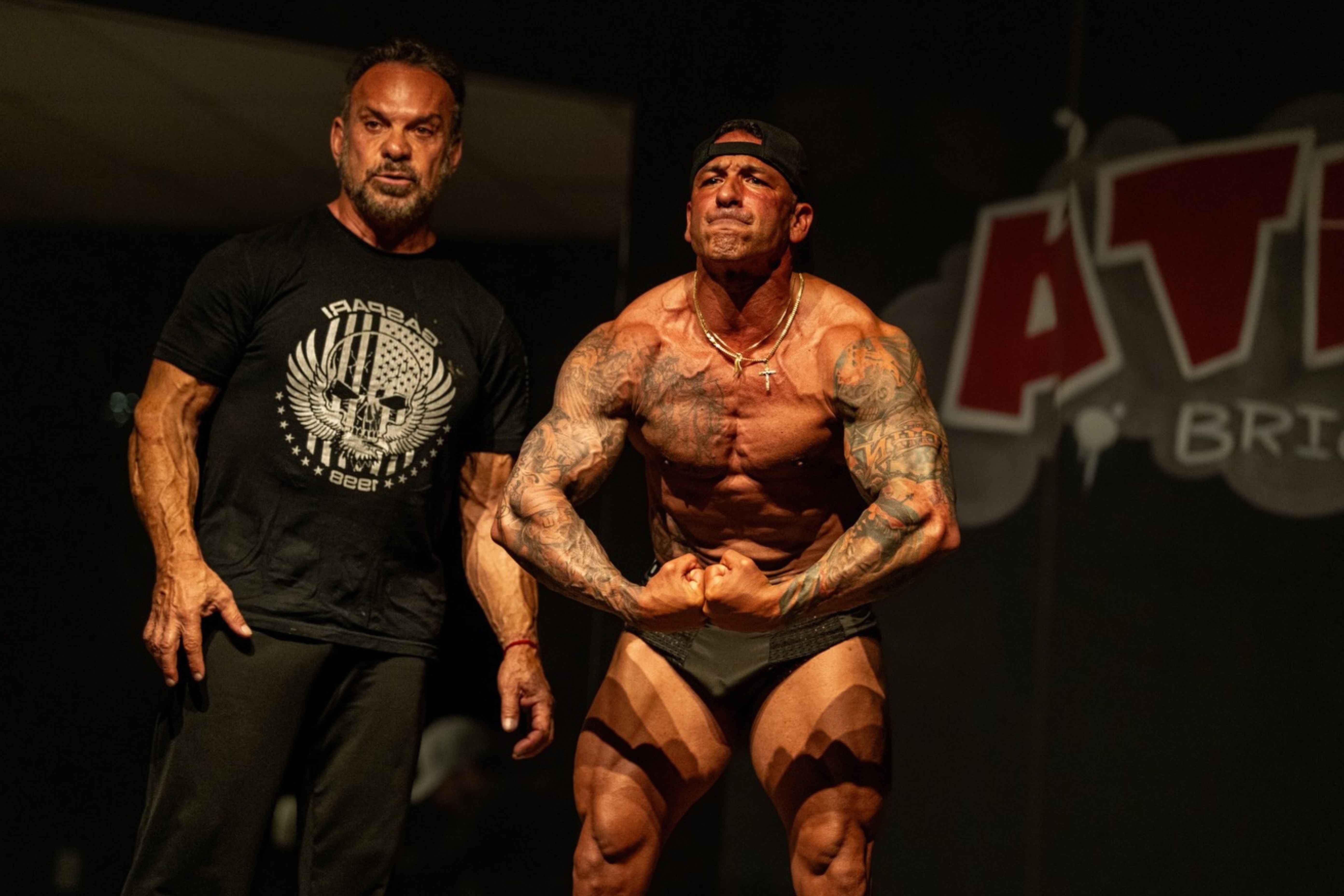
Gaspari recalls a period when he competed in eight contests in a single month
The former professional bodybuilder also reflected on his own competition experiences. During one period of his career, he said, he competed in eight contests over the course of just over a month. Despite this, he managed time and again to step on stage in a condition with which he was satisfied.
According to him, the key was not extreme last-minute interventions, but a predictable approach and only minor adjustments to his established regimen. However, this does not mean that manipulating water and electrolytes is automatically safe.
A review article published in 2021 in the journal BMC Sports Science, Medicine and Rehabilitation pointed out that for many of the practices used in the final week, there is a lack of convincing evidence regarding both efficacy and safety. Extreme dehydration and improper sodium management can lead to serious health complications.
Recovery is also important after the competition
Gaspari also pointed out that competition preparation places a significant physical and mental strain on the body. Once it’s over, he therefore recommends allowing the body to rest and not immediately resuming the same demanding regimen. In the past, he himself took about one to two weeks off from strength training after major competitions. His latest message is thus relatively simple.
You shouldn’t try to preserve the form you’ve worked on for several months by resorting to risky experiments during the last few days.
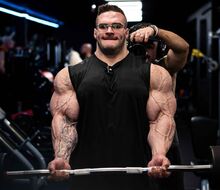
We Recommend: True Peak Condition Begins Long Before the Competition
As Rich Gaspari points out, true peak physical condition isn’t achieved in the last few days before a competition. It’s the result of months of systematic training, a well-planned diet, and adequate recovery. Daily habits are actually more important for long-term progress than last-minute experimentation.
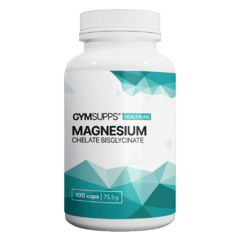
An important part of sports nutrition is adequate protein intake, which contributes to the growth and maintenance of muscle mass. GymSupps XWhey Protein can be a practical aid. When training regularly, it’s also important to ensure adequate mineral intake. For example, GymSupps Magnesium Chelate Bisglycinate provides magnesium, which contributes to normal muscle function and helps reduce fatigue and exhaustion.
However, even high-quality supplements cannot replace a balanced diet and proper recovery. And they certainly should not be used as a means of risky manipulation of water and electrolytes before a competition.
Recommended
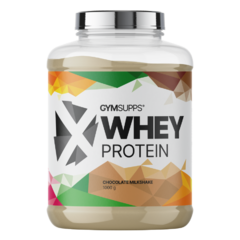
GymSupps XWhey Protein
No posts have been made yet.