




Nick Walker is changing his strategy! He doesn't need any more muscles.
 Author:
Nick Walker has just experienced the most successful period of his bodybuilding career. After his triumph at Mr. Olympia 2026, he became the 20th winner of the prestigious Sandow Trophy and definitively cemented his place among today’s top bodybuilders. While some competitors might treat themselves to a longer break after such a success, Walker is already planning his next competition.
His goal is the 2027 Arnold Classic, which will take place in March in Columbus, Ohio. And although he is among the most massive competitors in the Men’s Open division, this time he does not want to base his preparation on another significant gain in muscle mass.
“I don’t need to get any bigger,” Walker explains
In an interview published on November 6 on Fouad Abiad’s YouTube channel, Walker outlined the direction he intends to take in the coming months. According to him, a lack of muscle mass is no longer the main issue. Much more important to him will be the gradual refinement of individual muscle groups and his overall physique.
Walker is convinced that he can make small improvements even during a relatively short competition prep period. He therefore does not consider it necessary to devote another long period to a significant bulking phase. His approach represents an interesting shift. In professional bodybuilding, it’s not just the amount of muscle mass that matters, but also proportions, symmetry, definition, and the ability to present one’s physique properly on stage. These are precisely the details the current champion wants to focus on.
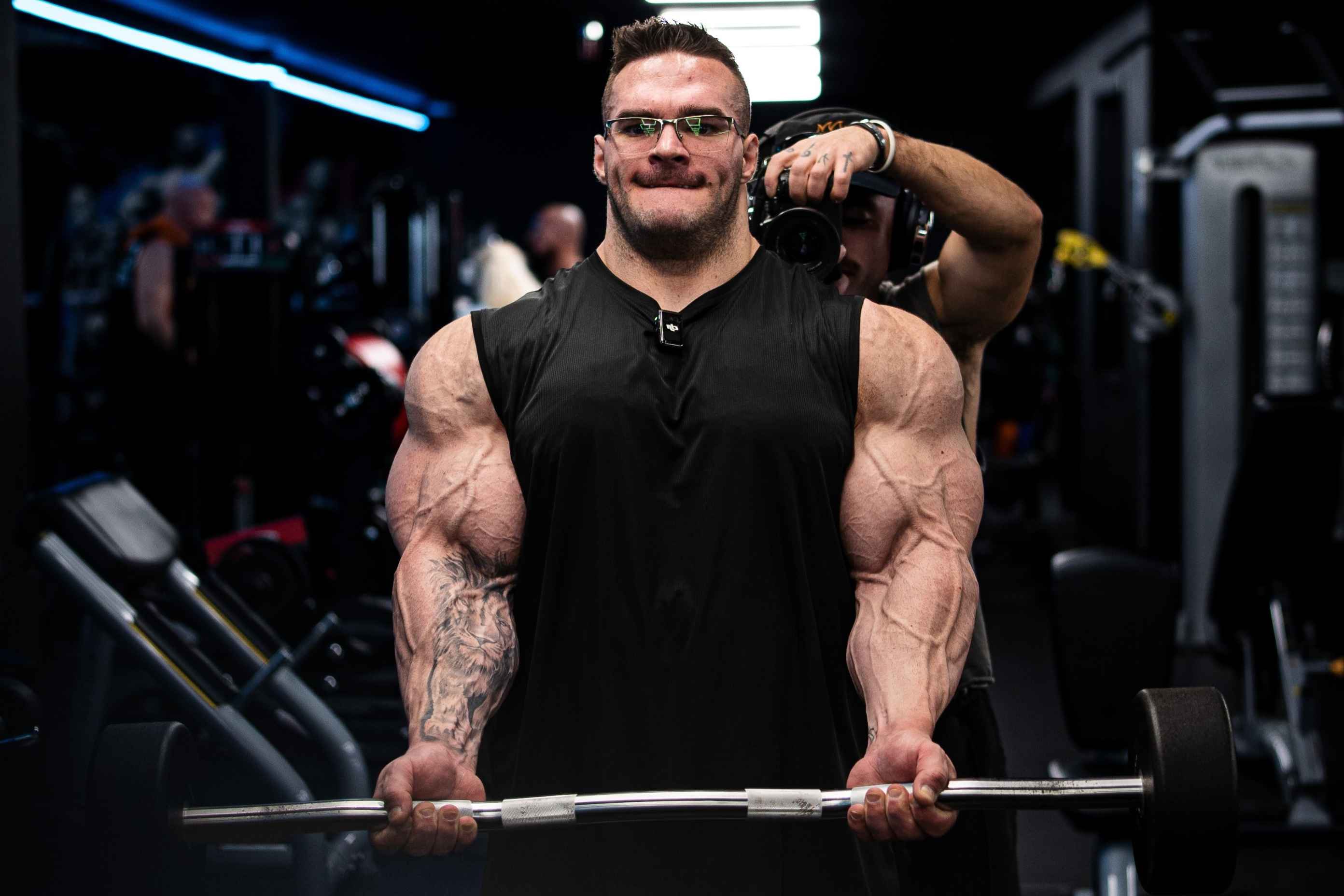
Slow negative repetitions are the foundation of his training
During the interview, Walker also discussed his training philosophy. He places great emphasis on the controlled negative—or eccentric—phase of the movement. During this phase, the muscle lengthens under load. A typical example is lowering the barbell during a bicep curl or the controlled descent during a squat.
Walker explained that he often performs the negative phase for approximately three to five seconds. He then tries to transition into the dynamic positive phase of the movement. In his experience, this training method is extremely demanding because it requires concentration and significant control over the load.
However, slow negative repetitions alone do not guarantee greater muscle growth. It is simply one way to adjust the execution of an exercise and the overall intensity of a set.
Why doesn't Walker train with a high volume?
Walker’s comparison to the time when he trained alongside former 212-class champion Kamal Elgargni was also interesting. According to Walker, while they were in Tampa, they worked out together almost every day for about three months. Elgargni’s approach involved high training volume, sets to muscle failure, and intensification techniques, such as triple drop sets.
Walker admitted that this combination was too exhausting for him. That’s why he now prefers a different system. When performing slow negative reps, he considers it important to reduce the total number of working sets so that he can maintain their quality and recover sufficiently.
His experience highlights an important principle of strength training.
A higher training volume isn’t always better if it simultaneously leads to a significant increase in fatigue and a decline in the quality of form.
Of course, this doesn’t mean that high volume or a faster repetition pace are generally bad. The appropriate setup depends on the specific athlete, their experience, and their ability to recover.
The 2027 Arnold Classic promises exceptionally strong competition
Walker will certainly not be able to rely solely on his past successes in Columbus. Hadi Choopan and Andrew Jacked have also confirmed their participation in the 2027 Arnold Classic. It was Jacked who defeated Walker at the 2026 Arnold Classic, where Walker took second place. The reigning Mr. Olympia will therefore have another opportunity to demonstrate just how significantly he has improved his physique since their last head-to-head matchup.
Posing is also an important part of his preparation. According to earlier information from his coach, Prabha Dhaliwal, Walker practices his competition poses several times a day and also focuses on exercises designed to control his abdominal wall. His goal is not just to build big muscles, but to showcase them in the best possible proportions.
Walker shows that bigger doesn’t always mean better
Throughout his career, Nick Walker has become famous primarily for his extraordinary muscle mass and the hardness of his physique. Now, however, he openly admits that further significant muscle gain is no longer his top priority. Instead, he wants to focus on the details that can make the difference between winning and losing on the professional stage.
His approach also illustrates how a training philosophy can evolve as a career progresses. While a novice bodybuilder primarily needs to build a muscle foundation, an experienced professional can devote increasing attention to proportions, technique, and recovery.
And that will be one of the most interesting aspects of Walker’s performance at the 2027 Arnold Classic.
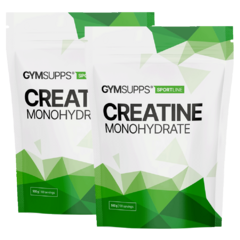
Walker’s emphasis on controlled repetitions serves as a reminder that when building muscle mass, it’s not just the weight of the barbell that matters. The quality of training, adequate nutrient intake, and the ability to recover between workouts are also important. If you want to support muscle growth and maintenance, you can supplement your diet with GymSupps XWhey Protein, which is a convenient source of protein. Athletes focused on strength performance may also find GymSupps Creatine Monohydrate beneficial. When taken daily at a dose of 3 grams, creatine enhances physical performance during repeated short-term, high-intensity efforts. However, nutritional supplements cannot replace proper technique, a well-planned training regimen, or adequate rest. These are the factors you should focus on when striving for long-term progress.
Recommended

No posts have been made yet.