




Chris Bumstead revealed the back workout that helped him win six Mr. Olympia titles!
 Author:
Six-time Classic Physique Olympia champion Chris Bumstead revealed one of the workouts he used during his exceptionally successful bodybuilding career. In his latest video, he demonstrated a combination of three-set routines, minimal rest periods, and the rest-pause technique. This is exactly how he built the back that became one of his most striking assets. What did the entire workout look like?
Six Olympia titles and a workout worth noting
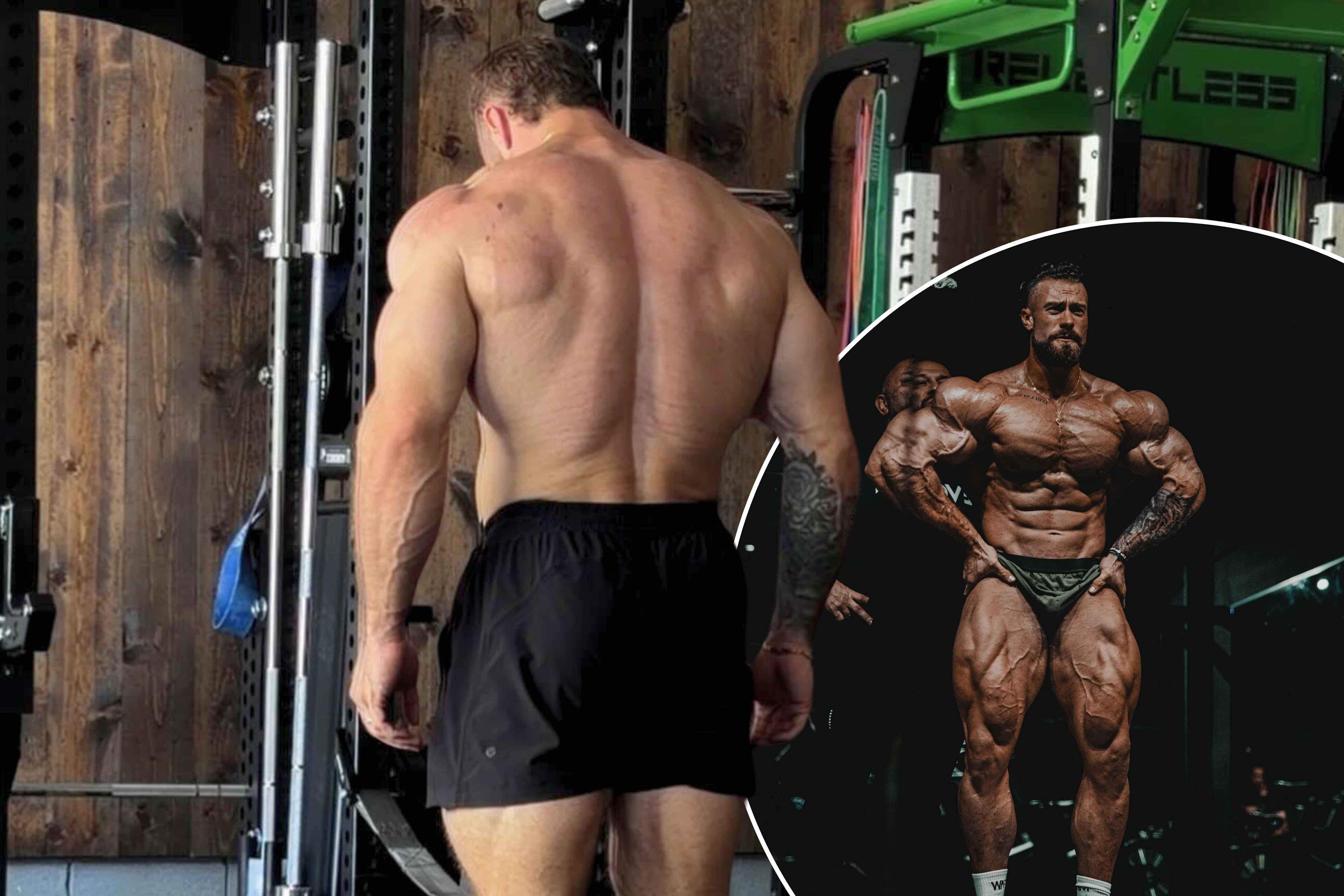
Chris Bumstead has left an indelible mark on the history of professional bodybuilding. From 2019 to 2024, he won six Classic Physique Olympia titles in a row and became one of the most popular figures in modern fitness. His combination of broad shoulders, a pronounced V-shape, and aesthetic proportions represented the ideal of this category for many fans.
And although he has already retired from professional competition, he continues to share his training insights with his followers. In a video posted on November 1, 2026, he presented a back workout that, in his own words, he used during the years when he dominated the Olympia. Interestingly, his approach wasn’t based solely on lifting the heaviest possible weights.
Short rest periods, high intensity, and the ability to maintain proper form even as fatigue set in also played a major role.
.jpg)
Tri-sets: Three exercises in a row with minimal rest
One of the fundamental principles of Bumstead’s training was the so-called tri-sets. This is a method in which the athlete performs three different exercises in quick succession, usually with minimal rest between each movement.
Bumstead used this technique primarily when training his back. He combined T-bar rows, overhand rows, and machine rows with high elbow position. Between exercises, he rested practically only while moving to the next station.
He explained that he had been using this training method for a long time and that his body had gradually adapted to the high demands. According to Bumstead, intense sets require not only muscular strength but also the ability to perform repeatedly while fatigued. However, this does not mean that every athlete should automatically reduce rest periods to a minimum.
During heavy sets, longer rest periods can help maintain performance and the quality of execution. Tri-sets are therefore more of one possible training method than a universal rule for maximum muscle growth.
What did Bumstead’s back and biceps workout look like?
Bumstead started with an underhand lat pulldown. During this exercise, he emphasized controlled movement and sufficient stretching of the latissimus dorsi muscle. He also pointed out a common mistake: excessive arching of the back while pulling the pulley.
This was followed by the first tri-set consisting of three pulling exercises. He then continued in a similar manner with his biceps workout. He finished the entire workout with a high volume of work on the rear deltoids.
Overview of exercises from Bumstead’s workout:
| EXERCISE | SETS × REPETITIONS | METHOD |
|---|---|---|
| Underhand Lat Pulldown | 2 × 8 | Rest-Pause |
| T-bar rows | 3 × 12 | Triset A |
| Overhand Pull-ups | 3 × 12 | Set A |
| High Row Machine Pulls | 3 × 12 | Set A |
| Reverse-Grip EZ-Bar Bicep Curls | 3 × 12 | Tri-set B |
| Hammer curls with dumbbells | 3 × 12 | Triset B |
| Bicep curls on the Scott bench | 3 × 12 | Tri-set B |
| Reverse peck deck for rear delts | 10 × 10 | 100 reps total |
Note: Tri-set A combines three back exercises; Tri-set B combines three arm exercises. This overview is based on the training program presented by Bumstead, not on a universal recommendation for all athletes.
Rest-Pause and 100 Reps for the Rear Delts
Another interesting element was the rest-pause method. Its principle involves breaking up a demanding work set with short breaks, allowing the athlete to continue with additional repetitions. Bumstead used it, for example, during high pulley rows.
However, much like the triple set, the rest-pause method isn’t automatically the best method for building muscle mass. Its benefits depend on the overall training program, the load, the number of sets, and the athlete’s ability to recover. The conclusion itself was also interesting.
Bumstead included ten sets of ten repetitions for the rear deltoids—a total of one hundred repetitions. He considers the rear deltoids particularly important for the overall appearance of the physique, especially when viewed from the back and in profile. In the Classic Physique professional category, it’s not just muscle size that matters, but also proportions and overall visual balance.
Do triple sets work better than traditional training?
From a scientific standpoint, it is important to distinguish between the methods used by a specific professional bodybuilder and the results of controlled studies. In 2025, a systematic review and meta-analysis comparing supersets with traditional strength training was published in the journal Sports Medicine.
The researchers analyzed 19 studies involving a total of 313 participants. The results suggested that supersets may be more time-efficient. However, when it comes to the long-term development of maximum strength, strength endurance, or muscle hypertrophy, their clear superiority over classic sets has not been demonstrated.
At the same time, they tend to be subjectively more demanding.
It should be noted, however, that the meta-analysis primarily focused on supersets, not the exact form of Bumstead’s triple-set system. His training method therefore cannot automatically be considered the scientifically best way to build back muscles. It may, however, serve as an interesting source of inspiration for more experienced athletes who want to try a different approach to organizing their training volume.
Did Chris Bumstead have a secret to his success?
Six Mr. Olympia titles are not the result of a single training method.
Bumstead’s career was built on long-term discipline, genetic predisposition, systematic preparation, and the ability to repeatedly step onto the competition stage in exceptional shape. Nevertheless, his recently published training program offers an interesting insight into how he approached muscle growth throughout his professional career.
Instead of focusing solely on kilograms, he used a combination of various exercises, short rest periods, and a high overall volume. For the average gym-goer, however, something else is most important. It’s not necessary to copy every detail of the six-time champion’s workout.
It’s more important to understand the principles behind it and adapt them to your own capabilities.
Because muscle growth isn’t determined by how a famous bodybuilder structured his workout. What matters most is how well you yourself can train over the long term.
How can you boost your performance during a demanding workout?
Tri-sets and short rest periods can be physically very demanding. If you decide to incorporate a similar method, it’s important to adjust the intensity to your experience level, ensure adequate energy intake, and not underestimate the importance of recovery. Even professional bodybuilders don’t build their physiques solely during individual working sets.
Among dietary supplements, GymSupps Creatine Monohydrate may be of interest to athletes who regularly engage in strength training. When taken daily in doses of at least 3 g, creatine enhances physical performance during repeated short-term, high-intensity exercises. For athletes interested in improving blood flow to their muscles before a workout, GymSupps Citrulline Malate is also available, containing L-citrulline DL-malate in a 2:1 ratio. However, research on its effect on strength performance is inconclusive. None of these products is a substitute for a well-designed training program or a balanced diet.
Recommended
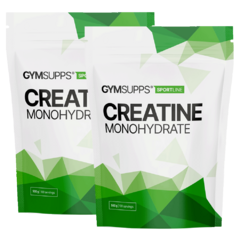
Creatine Monohydrate 500g 1+1
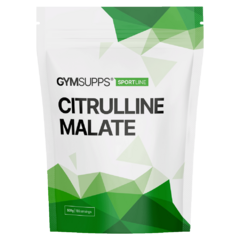
GymSupps Citrulline Malate
No posts have been made yet.