





Are we going to go bankrupt? Obesity in the Czech Republic is no longer just an aesthetic problem, but an economic time bomb!
 Author:
 When you say obesity, most Czechs think of tight trousers, panting up the stairs or the upcoming swimsuit season. But for the finance minister and the directors of health insurance companies, the word has a completely different meaning: the tens of billions of crowns that disappear from the system every year. While public debate often revolves around "body positivity" and self-confidence, hard economic data shows the unrelenting reality. The Czech Republic is getting fatter and it is becoming a luxury that our healthcare system will soon not be able to afford.
A look at the books of health insurance companies shatters the myth that being overweight is everyone's private business. It isn't. The moment the needle on the scale moves into the obesity zone, a person's health becomes a public economic problem. Experts agree that the treatment of obesity itself is not the main thing draining the public purse. The real problem is the domino effect that excess fat tissue in the body triggers.
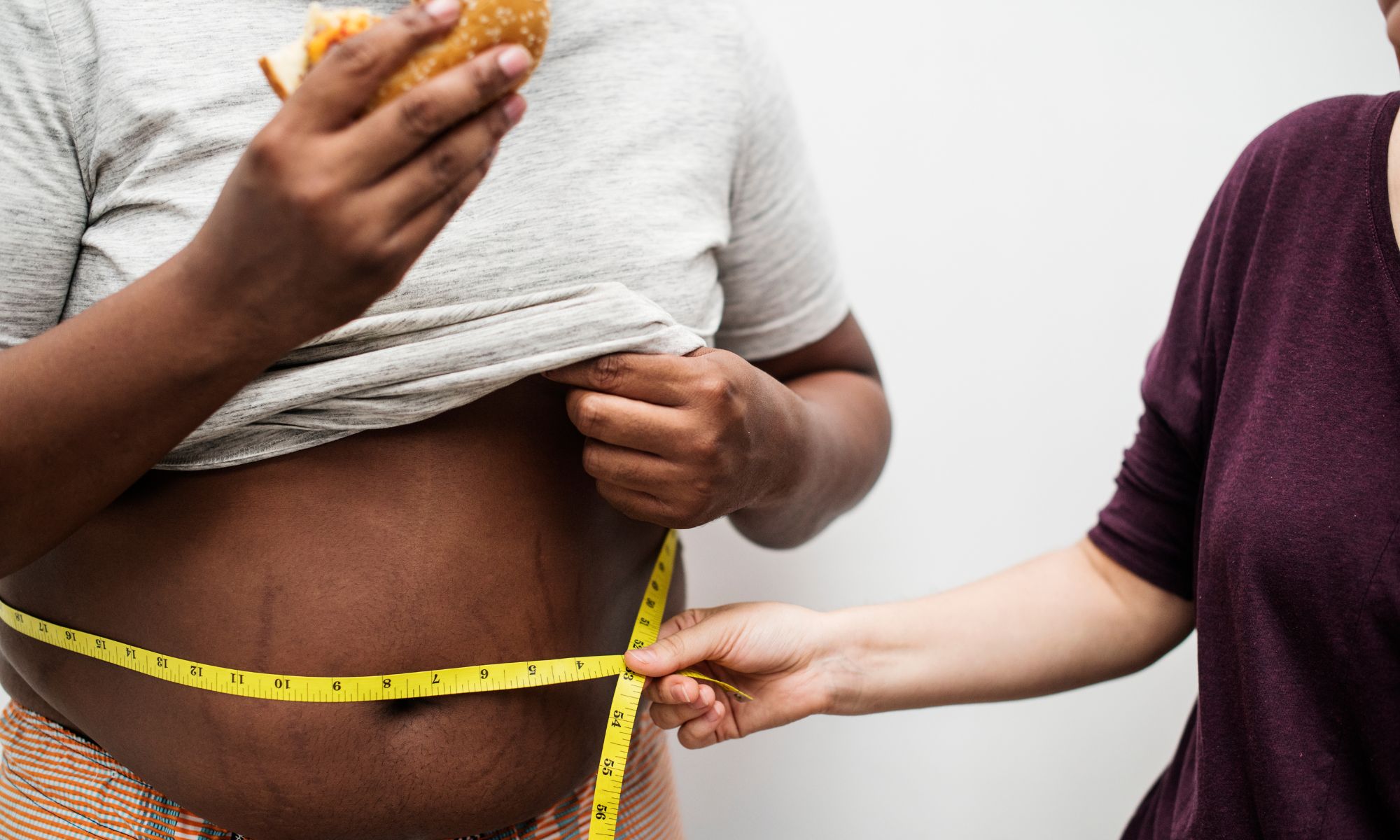
Billions drowned in sugar
The biggest money guzzler in this context is type 2 diabetes, a disease that is tied to obesity by an umbilical cord. Up to ninety percent of people with this type of diabetes are overweight or obese. The cost of treating them in the Czech Republic is running into tens of billions of crowns every year. This is not just about insulin and drugs, but mainly about dealing with complications - from kidney failure to diabetic feet to eye surgery.
Add to that the treatment of high blood pressure, heart attacks, strokes and joint replacements, which obese patients need much earlier and more often than the rest of the population, and you have the sums to build tens of kilometres of motorway a year. The direct costs of obesity-related diagnoses now account for around a tenth of total healthcare expenditure. And the curve is still rising.

An invisible tax for companies and the state
While hospital bills are immediately visible, there is a second, hidden part of the iceberg. Economists call it indirect costs. People who are severely obese are sick more often, spend more time on sick leave, and statistically retire sooner on disability. For the state, this means a double loss: not only does it have to pay social benefits, but it also loses an economically active person who would otherwise be paying taxes and creating value.
Moreover, companies are faced with a phenomenon for which the English language has a term, 'presenteeism'. Although the employee is physically present at work, he or she is underperforming due to chronic back pain, fatigue or shortness of breath. This loss of productivity adds up, and on a national scale it amounts to huge sums that are holding back the Czech economy.
Science is looking for a lifeline
The state is beginning to realise the gravity of the situation. It is no longer enough just to put up posters recommending eating more vegetables. The National Institute for Metabolic and Cardiovascular Disease Research (CarDia) is also a response to this crisis. This project brings together top-level capacities from IKEM, Masaryk University and other institutions with a single goal: to understand the mechanisms of the disease in depth and find more effective ways to treat it.
Scientists at the CarDia Institute are not just researching new drugs, but are also trying to link cardiology, diabetes and metabolic research into a single entity. The goal is to intervene before a patient reaches the stage where they need an expensive transplant or lifelong dialysis. Modern pharmacology, including the new GLP-1-based drugs, offers hope that obesity can be treated more effectively, but without systemic changes it will not be possible.
Who will pay for it?
We stand at a crossroads. Unless the trend changes, forecasts warn that by 2030, a third of Czech adults will be obese. In such a scenario, health care costs could rise to unsustainable levels, limiting access to care for other patients.
Thus, obesity in the Czech Republic is no longer a topic for lifestyle magazines and is becoming an issue for national security and economic stability. Investing in prevention - whether it is moving children into schools or taxing unhealthy foods - can seem unpopular and expensive. However, compared to the cost of doing nothing, it is small potatoes.
Recommended

Nebbia Oversize mikina s kapucí GYM RAT 256


Nebbia Fitness tílko FLEXIN' 360

Nebbia Dámský top s dlouhým rukávem INTENSE Sheer 847
Sources:
- Institute of Health Information and Statistics of the Czech Republic (IHIS): Health Yearbook of the Czech Republic
- VZP Czech Republic press releases on costs of diabetes and obesity treatment (2024)
- National Institute for Metabolic and Cardiovascular Disease Research (CarDia) - EXCELES project
- WHO European Regional Obesity Report
No posts have been made yet.








