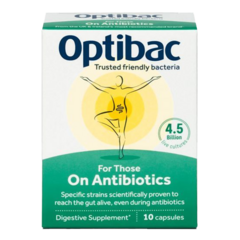
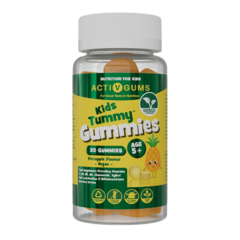
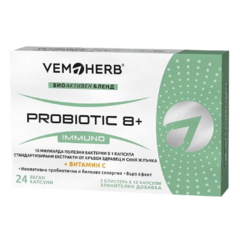
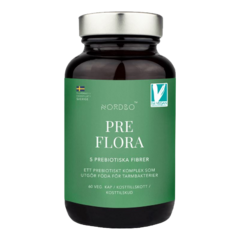
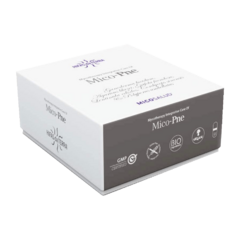
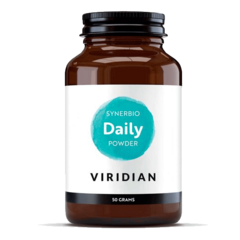
It depends on the specific product. Modern, premium probiotics today utilize special protective capsules or a freeze-drying process (lyophilization), so regular room temperature doesn't bother them, making them great even for travel. However, always read the label carefully—if the manufacturer explicitly recommends cold storage, the fridge is an absolute must to preserve the live culture count.
It is best to take most probiotics in the morning on an empty stomach, or right before a meal, so that the live cultures can pass through the aggressive stomach acids and into the intestines as quickly as possible. Always wash them down only with lukewarm or cold water—a hot beverage (like coffee or tea) would instantly kill these sensitive live bacteria.
Absolutely yes, it is an absolute necessity! Antibiotics kill not only the bad bacteria in the body but unfortunately the good ones as well, completely devastating the intestinal microflora. However, the golden rule is: always take probiotics at least 2 to 3 hours apart from your antibiotic pill; otherwise, the medication would instantly destroy them. Continue taking them for at least 14 days after finishing the antibiotics.
Probiotics are the live and beneficial bacteria themselves that colonize your gut. Prebiotics (such as inulin or fiber) serve as food for these bacteria. In order for probiotics to survive and multiply in the gut, they absolutely need prebiotics. That is why the best choice for digestion are so-called synbiotics—supplements that contain both in a single capsule.
Hard training and a massive food intake (especially protein) put an extreme strain on the digestive tract. Probiotics (friendly bacteria) keep the gut microbiome in balance, thereby preventing protein-induced bloating, improving the absorption of nutrients from expensive supplements, and forming the absolute foundation for strong immunity (up to 70% of the immune system's cells reside right in the gut!).