





FST-7 - the training key to muscle growth!
 Author:
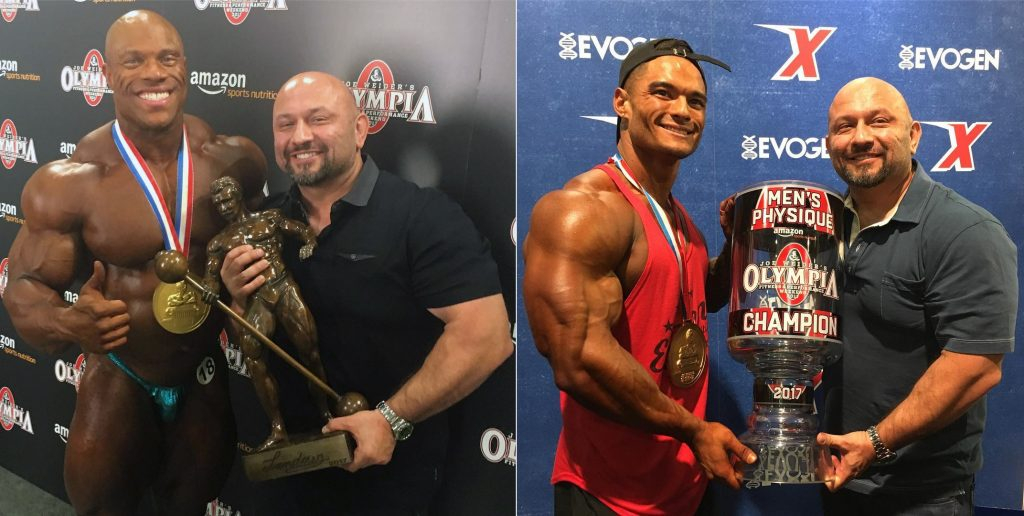
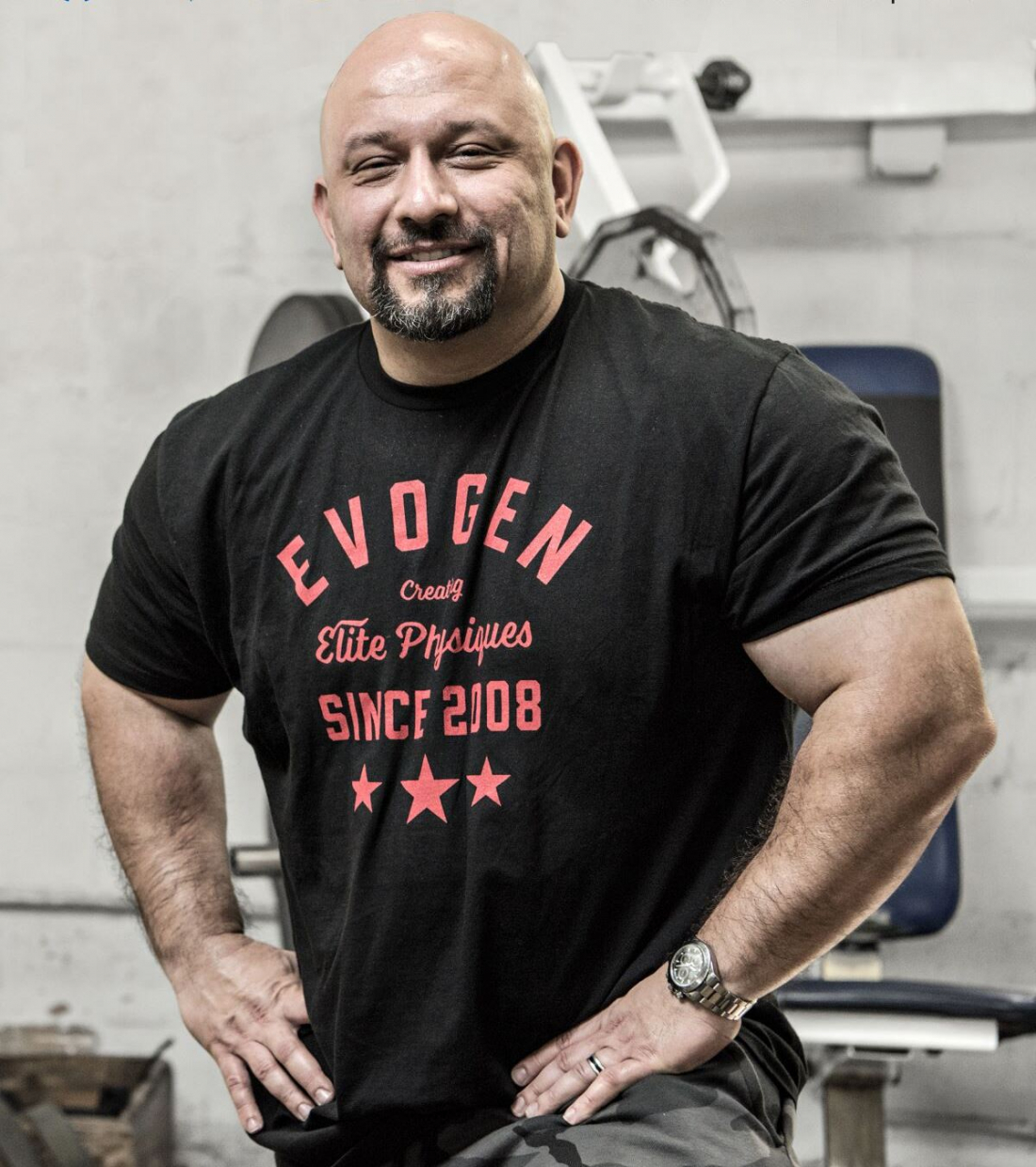
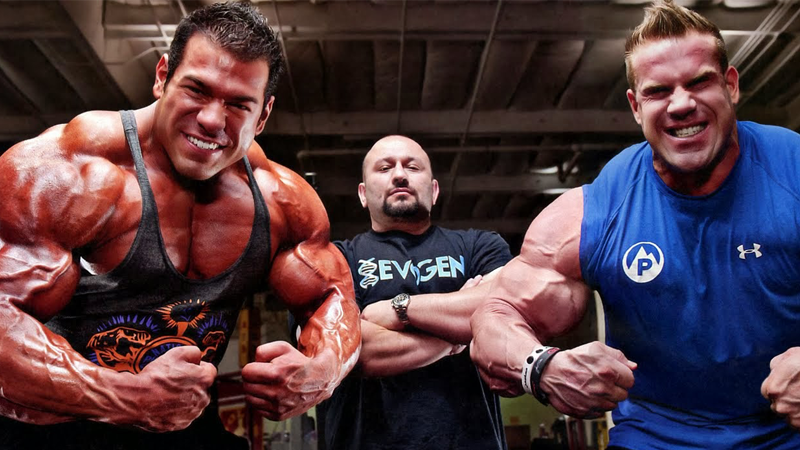
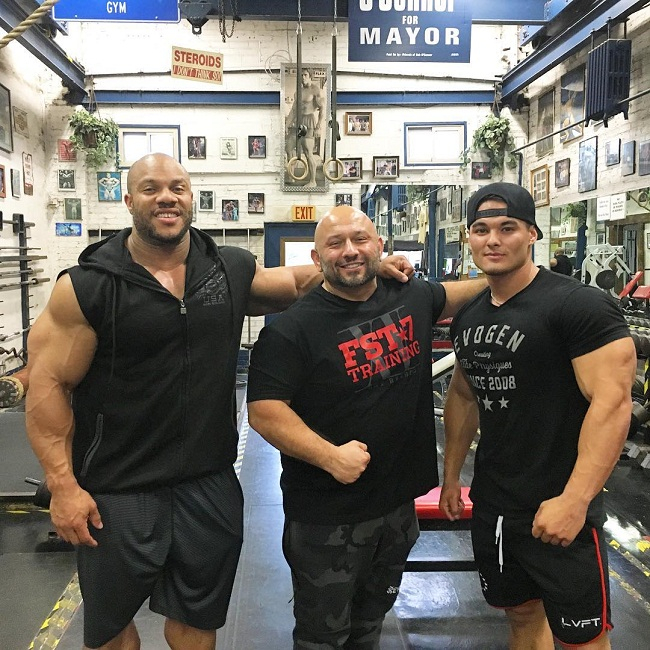
 The author is a man bearing the name of Hany Rambod. Don't you know him? I think I do! Maybe not that well, but you've heard the name before. And where is it that you might have heard it? In my opinion, certainly in connection with his clients, who are the really big names in bodybuilding today.
So who all is Hany's client, or if you prefer, his confidant, you ask?
I will list the most famous ones:
Ed Nunn
He started working with Hany in 2008, when he won the US nationalchampionship and got his PROFI card.
Ben Pakulski
He started working with Hany for the 2009 season. The result was a perfect debut at the PBW Championship in Tampa, where Ben placed third behind first place Dennis James and second place Fouad Abiad.
Fouad Abiad
He started working with Hany in 2009. The result was the aforementioned second place at the PBW Chanpionship and qualification for Mr. Olympia. However, he didn't participate in the latter, as he and Hany decided to put in aproper preparation for Mr. Olympia 2010.
Kevin English
Again, the collaboration dates back to 2009. And the result speaks for itself. The title of Mr. Olympia division 202 SHOWDOWN 2009.
Bill Wilmore
Bill and Hannah have been a team since 2003. Now they are trying to work on the best possible form for the 2010 season.
Phil Heath
He has been working with Hany since earning his PRO card in 2005. Working with Hany has been good for Phil, as he has been in the top 5 almost consistently and even finished third in his debut at Mr. Olympia in 2008.
Jay Cutler
Certainly Hany Rambode's most famous charge. They started working together for 2009 because, as Cutler himself said, he wanted to win back the Mr. Olympia title very badly and the only one who could help him do that was Hany. You know the result -Mr. Olympia 2009 title.
Denis Wolf
He is the newest horse in Hany's stable. Dennis approached Hany for help after the debacle at Mr. Olympia 2009.
So you can see that Hany Rambod is really training top level competitors and they have all been through and will be going through the FST-7 system!
But now to the creator of this system, Hany Rambod has the floor.
What is FST-7?
FST-7 is a grooming system that I came up with after years of research, going through a lot of trial and error with many clients.
FST stands for Fascia Stretch Training and 7 = seven sets for the last, or pumping exercise of the area.
I have had and have many clients who had "stubborn" areas that were resistant to growth using a variety of training methods.
Using FST-7 has partially and completely defeated this "stubbornness".
Is fascia limiting your muscle growth?
We recognize three types of fascia in the human body, but bodybuilders should only be concerned about one, the so-called deep fascia.
This is the dense, fibrous, connective tissue that surrounds the muscles, bones, nerves, and blood vessels (circulatory system) of the body. The high density of collagen fibers gives the deep fascia its strength and integrity (wholeness).
In other words, some of us have fascia that is thicker and stiffer than others.
Most genetically blessed bodybuilders have thinner fascia, which is why their muscles appear larger and fuller. And this fact is what most bodybuilders crave.
Ronnie Coleman and Phil Heath are two primary examples of individuals blessed with thin fascia. Their muscles expand more easily.
Think of that when you think of Franco Columbo. He basically violated the fascia, too. I'm sure you're familiar with the classic inflatable balloons. For Franco, this wasn't enough, so he started inflating solid rubber water bottles. (See video here)
Jay Cutler and Nasser El - Sonbatty are two representatives of bodybuilders with clearly thicker and tighter fascia.
In an effort to enlarge their fascia and allow for further muscle growth, some individuals have resorted to using Synthol and other substances that are injected deep into the muscle bed. I have even come across online advisors who state that the use of these substances is the only solution. However, this claim is not true at all. Even considering the health side of things, synthol and related products are foreign substances and thus we can never be sure how they metabolize in the body.
All sorts of health problems start to appear that are directly related to the injection site.
Yes, you need to stretch the fascia to allow the muscle to grow systematically, but this is not the way to do it.
There's no stretching like stretching
I'm not the first person to note the importance of stretching the fascia to ensure maximum muscle growth.
The first was John Parrillo, then in more recent times Dante Trudel of DC Training who came up with the idea of incorporating aggressive stretching during exercise as part of their training programs.
They were right in their idea, but stretching the fascia by lengthening the muscle is not the best solution. FST-7 is based on stretching the muscle, and therefore the fascia, from the inside out. This is accomplished by maximally pumping during training.
Are we going to use big weights or small weights for this pumping?
The important thing is not to misinterpret that FST-7 is all about pumping.
That's just one of the goals. I believe that a bigger muscle is a stronger muscle, and it's good to train it with big weights in the 8-12 rep range. I have tried many alternating heavy and light workouts with many clients over the years and have found that both are needed.
Heavy weights will build thickness and muscle density, but they won't give you that round and full look. Likewise, using lighter weights will give you roundness and fullness of muscle, but not extreme size.
Thus, you must focus on both of these practices within a training unit to achieve optimal results. And that's what FST-7 is all about!
Here is an example of biceps training according to FST-7:
Alternate dumbbell curls 3-4 x 8-12
Isolated biceps lift on machine (scot bench) (Machine preacher curl) 3 x 8-12
EZ-bar curls 7 x 8-12 rest 30-45 seconds between sets, you will be ingesting approximately 50ml of water during these breaks.
I don't like to use high rep counts, as you will tire far before you can get the muscle pumped up. I also don't like too much weight, which will prevent you from performing a minimum of eight reps as this will prevent maximum muscle stimulation.
How long should the breaks be?
Keep your rest breaks fairly short because once you pump the muscle, you prevent more blood from leaking out of the muscle.
Again, this can also be approximated by inflating a ball. If you keep larger breaks during inflation, you will inflate the ball for a long and difficult time, as a lot of air will escape during this pause. Keep the pauses between 30-45 seconds.
This refers to the last "pumping" exercise. For the other exercises, keep the pauses between 60-120 seconds.
If the rest breaks for the last exercise were short, you might not have enough energy to complete all seven sets.
Can I change the weight during the exercise?
A very common question I get is, should the weight be constant throughout the "pump" series?
It can be, but more often than not you will need to reduce the weight once or twice to guarantee the number of reps you need.
There may also be times when you need to increase the weight, but this will happen less often.
How often can I train the parts in this program?
Generally speaking, this type of training is too traumatic for larger muscle groups. Therefore, I do not recommend exercising them more than once a week. Due to the high volume of work, more frequent exercises would lead to overtraining. Other things is the long term soreness of the movements. For example, Phil Heath recently exercised his back and was sore for four days. But he saw his weaknesses in his back and chest, hence I set those areas twice a week in preparation for the Arnold Classic. Since there are far more microscopic tears in the muscle when using FST-7, the muscles need more time to recover than with other training methods. Either way, smaller areas like the arms and calves can and should certainly be exercised twice a week.
Here I will give a basic breakdown of the parts within the FST-7 system:
- Biceps triceps, calves
- Legs
- Free
- Chest, triceps
- Back, calves
- Shoulders, biceps
- Free
If your fascia ismore"stubborn" in some areas than others, you can train them twice a week like Phil.
Which exercises are good for the heptathlon?
Certain exercises are more suitable than others for the heptamiseries.
Free weight exercises like squats and deadlifts are not a good choice for two reasons.
First, they involve several other muscle groups and do not do a good job of isolating the target muscle.
Second, they require constant technique and balance checks, which leads to faster exhaustion.
Thus,machines are a good choice in many cases as they keep you in a fixed motion and thus make it easier to isolate the muscle in question. Plus, they allow you to increase or decrease the resistance(load) as needed very quickly and conveniently, which is very good.
Here are exercises that work very well:
- Back
width: machine pullovers (Hammer Strength, Nautilus) or pullovers on a pulley (cable pullovers)
for depth: seated rowing with chest support (Hammer Strength row) - Chest: pec-deck, cable crossovers
- Shoulders: Machine lateral raises
- Quadriceps: leg extensions, leg-press
- Hamstrings: Seated or lying leg curls
- Biceps: EZ-bar curls, machine curls, cable double biceps curls
- Tricepsy: stahování horní kladky s lany (Cable pushdowns), stahování horní kladky přes hlavu (Overhead cable extensions), francouzský tlak v leže (Skull crushers) – pro pokročilé
- Calves: standing raises or seated raises, calf raises on leg press
When should I do the seven series?
The best time to include a seven-series is the last exercise of the set. You don't want to do the "pumping" exercise first, as you won't have the strength and energy left for the other exercises. Pumping series are done inadvertently by many top bodybuilders without realizing that they are increasing their fascia and thus allowing for maximum muscle growth. Don't really include these series before. Realize that you're training multiple parts in one training unit and therefore you'll be performing up to three of these pumping exercises per workout.
Sample FST-7 workout for each part:
- Triceps
Close-grip bench press 3-4 x 8-12
Weighted dip or machine dip 3 x 8-12
Overhead cable extension 7 x 8-12 (beginners and intermediate)
French press lying down (Skull crushers) 7 x 8-12 (advanced) - Quadriceps
Leg extensions 3-4 x 8-15
Squats 4 x 8-12
Hack squat or leg press 3 x 8-15
Leg extensions or leg press 7 x 8-15 - Ches t
Incline dumbbell press 3-4 x 8-12
Incline dumbbell flye 3 x 8-12
Flat Hammer press or dumbbell press 3 x 8-12
Pec-deck or cable crossover 7 x 8-12 - Shoulders
Seated dumbbell press 4 x 8-12
Barbell or dumbbell front raise 3 x 8-12
Dumbbell lateral raise 3 x 8-12
Lateral raise machine 7 x 8-12 - Back - emphasis on width
Neutral-grip chin-ups 3 x to failure
Wide-grip pulldowns 3 x 8-12
Barbell rows 3 x 8-12
Seated row with chest support (Hammer Strength row) 3 x 8-12
Machine pullovers or cable pullovers 7 x 8-15 - Back - emphasis on depth
Reverse-grip pulldowns 3 x 12-15
Low cable row or 1-arm dumbbell row 3 x 8-12
T-bar row 3 x 8-12
Deadlift 4 x 8-12
Seated row with chest support (Hammer Strength row) 7 x 8-12
Note: those who need to focus on developing the lower back should include 3-4 sets of hyperextensions - Hamstrings
Lying leg curls 3-4 x 10-15
Stiff-leg deadlift 3-4 x 10-12
Single leg curl 3-4 x 10-15 each leg
Seated leg curls 7 x 10-15 - Trapeze
Dumbbell shrugs 3-4 x 8-12
Machine shrugs 7 x 8-12 - Back delts
Dumbbell rear lateral raises 3-4 x 12-15
Reverse pec flye or reverse cable flye 7 x 12-15 - Calves
Standing calf raises 4 x 10-12
Seated calf raise 4 x 15-20
Leg press calf raise 7 x 10-12
or
Leg press calf raise 4 x 10-12
Donkey calf raise or standing calf raise 4 x 10-12
Seated calf raise 7 x 12-15
Nutrition during FST-7
What to eat before training?
I hope everyone understands the importance of a solid, pre-workout diet. After all, it is a big part of getting an intense and productive workout with heavy weights. I recommend that my clients take two solid foods. First, fast protein and then complex carbohydrates. Sources of protein include chicken or turkey breast, white fish, or fat-poorer cuts of red meat like steak or sirloin if training later. Good sources of carbohydrates are oatmeal, sweet potatoes or brown rice.
These are all slow carbohydrates that help to release energy gradually, unlike fruit and other fast sugars that you digest too quickly and could cause insulin deficiency during your workout. An equally important component of food is water, which will ensure hydration. This is something that should be kept in mind, especially by individuals taking thermogenic preparations. This is because most of them have a diuretic effect, which means focusing on more fluid intake to compensate for water loss. Note that I mentioned water, not carbonated water. This is because carbonated water causes bloating and, more importantly, you don't drink enough of it.
When to eat before training?
Another question I often get is how long before training should my last meal be? Generally speaking your last meal should be taken about one hour before your workout. The exception would be legs, as they involve a very heavy workout that is metabolically demanding. Here the last meal should be a little earlier - that is, ninety minutes. These are just general guidelines. If you are the type of person who is hungry half an hour after eating, you probably never want to wait an hour to start your workout. If you find that you digest your food more slowly and feel nauseous during the subsequent workout, time your meal accordingly. If you avoid eating high-fat or sugary foods, you should stave off feelings of nausea during your workout.
What to do during your workout?
Most people will need plenty of water during a workout - around a litre. This also depends on your size, how much you sweat and the period. You will definitely see your water consumption increase in the summer, especially if you are training in a place like MetroFlex Gym, which is an area without air conditioning, or if you are training outdoors. You can sip on a carbohydrate-containing drink or a thermogenic drink if you tend to deplete your fuel supply (glycogen) during your workout, but neither of these drinks replaces water. If you choose one of these beverages, you should also keep a water bottle on hand and alternate between these drinks, thus ensuring both fuel and hydration.
I can't emphasize this enough, but - simply put there is no other way to achieve getting pumped up than by taking in sufficient water before and during exercise. As you know, the human body and especially the blood is made up of seventy percent water, so you need to have a steady supply to ensure adequate hydration.
What to do after a workout?
Within 15 to 20 minutes after your workout, but preferably immediately, it is important to take a post-workout drink that contains a quick source of protein, preferably whey, and a source of fast-absorbing carbohydrates such as dextrose, corn starch or maltodextrin. If you are a hardgainer (ectomorph), don't be afraid to mix two or more carbohydrate sources together. You can even add juice for flavor and additional simple sugars. If you're a person who tends to store fat quickly, you'll need to limit the amount of carbs in this shake. However, there should always be carbohydrates, except in the final phase of the diet before a competition, as you are trying to lose the last of your body fat stores as well.
About an hour or two after your workout , you should take another solid meal that should be similar to the pre-workout one.
In order to improve absorption, you should again keep fats atbay, especially saturated fats. The timing of this meal will depend on the size of the shake as well as your appetite. You probably won't eat until you are hungry again. If you drink a large cocktail that sufficiently satiates you, it may take up to two hours before you are able to take a solid meal. Conversely, if you have taken a lighter cocktail that is digested more quickly, you should theoretically be ready to eat just an hour later.
A note on salt
Many bodybuilders carry in their heads that salt is bad for them and should be avoided. They deliberately stay on a very low salt intake all year round. The reality is that you only need to worry about salt intake in the final week of training before a competition when you are trying to get rid of all the subcutaneous water.
Without the proper amount of salt in your diet, you simply won't be able to achieve adequate pumping.
Some of you may have experienced a similar case: If you're trying to pump up your muscles and you have no more than a trace amount of salt intake, your muscles are completely flat and numb, even when you eat carbs and drink water. Then, when you eat a hamburger and fries, your muscles magically inflate, and you are capable of incredible pumping! Sodium helps transport carbohydrates to your muscles, so don't be afraid to put a little more salt on your food. I recommend my clients take salt from ketchup, mustard or barbecue (grilling) sauce in the off-season. It should be noted that if you have a condition such as hypertension (high blood pressure) or diabetes (diabetes) that requires strict adherence to a low-salt diet, always follow the guidelines set by your doctor or dietitian.
FST-7 success stories!
Although I have been developing the FST-7 system for several years, I have only recently recommended my clients incorporate it into their workouts. But even in such a short time, FST-t is already bearing its desired fruit.
Phil Heath has improved his shoulders, back width, chest and even his legs with this system, which of course need more time to improve.
Bill Wilmore started using FST-7 for his arms and soon the results of his hard work were visible.
Jay Cutler was able to get fuller legs and arms with this system.
Dennis Wolf is a newcomer to me, but what do you think I would recommend? Well, the FST-7, of course.
Recommended
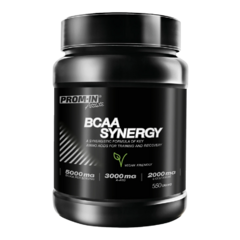
Prom-in BCAA Synergy
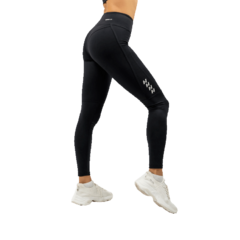
Nebbia Tvarující legíny s vysokým pasem AGILE 464
No posts have been made yet.








