





Zinc to optimize testosterone: Chelate form vs. regular zinc
 Author:
 In the world of bodybuilding and fitness, zinc plays an often overlooked yet crucial role. This trace element is essential not only for the proper function of the immune system, but also for maintaining hormonal balance and effective recovery after hard workouts. In practice, however, it turns out that not every form of zinc is the same - differences in absorption can have a major impact on whether you feel your supplement at all, or whether you throw your money out the window.
Article content:
- Why zinc is crucial for health
- Differences between chelated zinc and conventional forms
- Scientific evidence on the effectiveness of chelated forms
- Optimal zinc dosage for athletes
Why zinc is crucial for health
Zinc affects more than 300 enzymatic reactions in the human body and plays a vital role in protein synthesis, which is critical for building muscle mass. Zinc deficiency can lead to slowed recovery, reduced muscle growth and suboptimal hormone production. For athletes, zinc's role in optimizing testosterone, a hormone that directly affects strength, muscle mass and overall athletic performance, is particularly important.
Differences between chelated zinc and conventional salts
In many dietary supplements, you will most often find inorganic zinc salts, such as zinc sulfate or zinc oxide. They have the advantage of low cost and easy availability, but the bioavailability of these forms is only around 15 percent. Simply put, only a fraction of every hundred milligrams of zinc enters the body. In practice, this means slower recovery, less support for protein synthesis and less than optimal production of testosterone, which is essential for building muscle mass and strength¹.
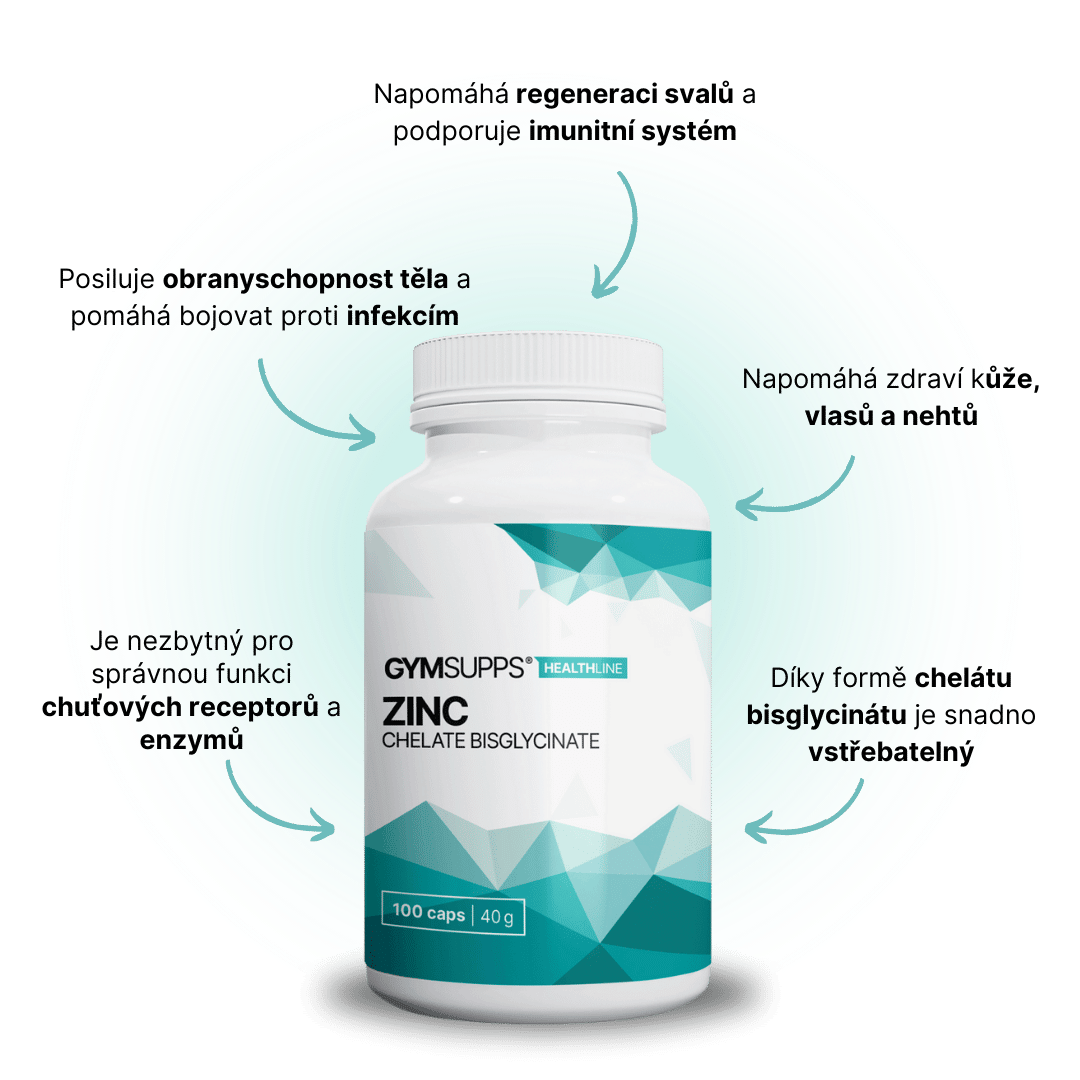
Chelated forms of zinc
On the other hand, chelated forms of zinc, such as bisglycinate or picolinate, stand out. Thanks to a special "coating" of organic molecules, they can absorb up to fifty to sixty percent of zinc, a difference of almost four times that of traditional salts.
Scientific evidence of the effectiveness of chelated forms
A study conducted in 2023 on a group of healthy men showed that those who took chelated zinc achieved significantly higher serum levels of the mineral than users of zinc sulfate². Increased zinc availability translated into faster muscle fibre recovery and better stability of hormone levels in the follow-up period.
In addition to optimizing hormone balance, zinc also plays an important role in protecting against oxidative stress. Research in 2010 suggested that organic forms of zinc enhance the body's antioxidant capacity better than inorganic forms, which translates into a lower inflammatory load after intense training³. Better resistance to inflammation and muscle cell damage means a shorter recovery time and the ability to train at a higher frequency and intensity.
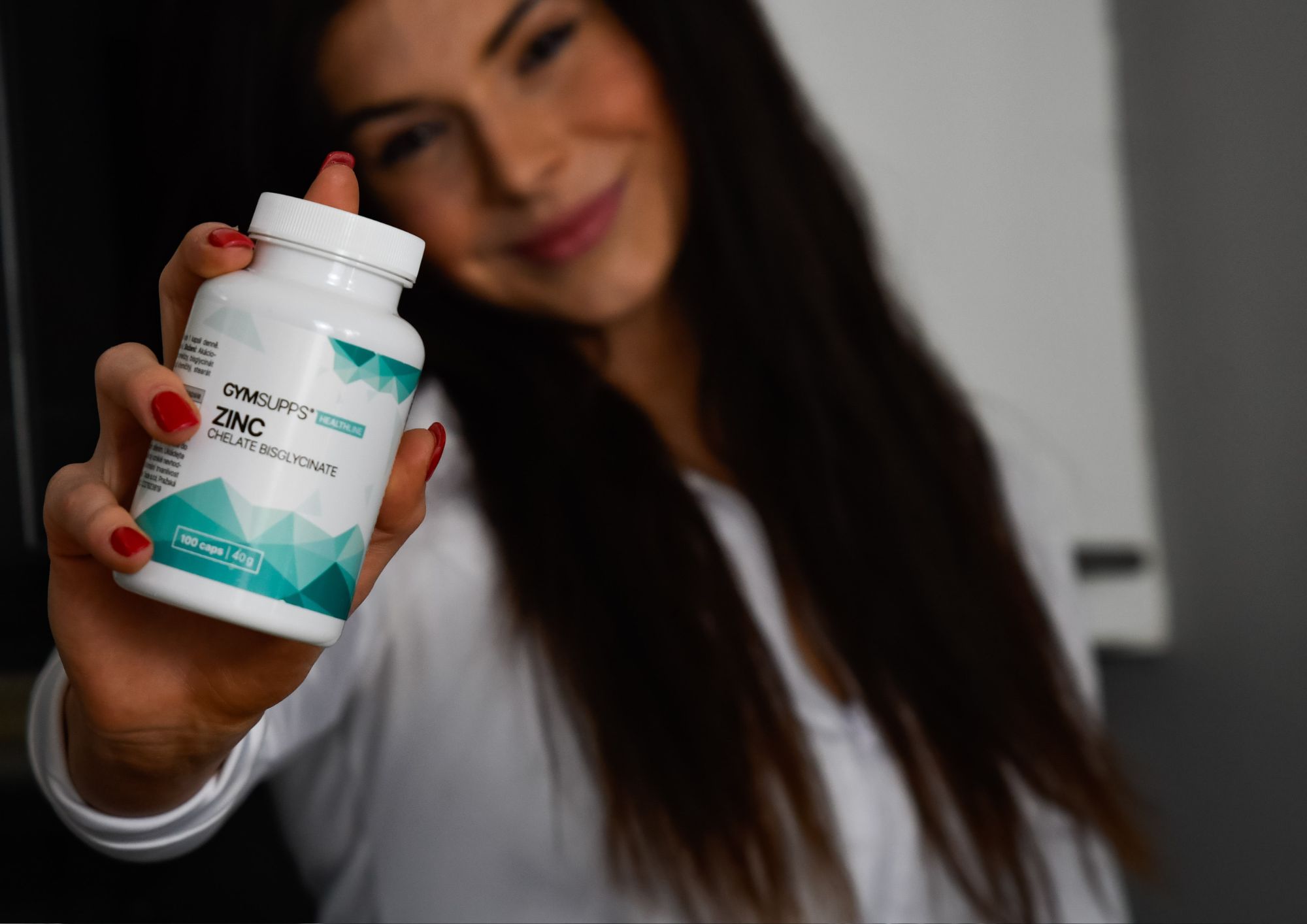
Optimal zinc dosage for athletes
- Recreational athletes: 15-20 mg per day.
- Advanced athletes: 20-25 mg per day.
- For intense training: up to 30 mg per day (short-term).
Zinc is best taken in the evening, ideally 2 hours after the last meal. It is important to avoid concomitant use with products containing calcium, iron or fibre, which may reduce absorption.
Conclusion: investing in quality pays off
What does this mean for the average practitioner? If you want to really "use" zinc and support not only immunity, but especially optimal testosterone levels, performance and recovery, focus on chelated forms. A practical dosage is between fifteen and thirty milligrams per day, ideally in the evening, on an empty stomach or with plain water to minimise the effect of foods high in calcium or iron, which can reduce zinc absorption.
Finally, it is worth remembering that even the best quality supplementation is no substitute for a balanced diet and adequate sleep. Check with your doctor before starting any new supplementation, especially if you are on medication or have medical restrictions. However, given scientific evidence and practical experience, investing in chelated zinc may be one of the key steps to achieving better training results and overall physical well-being.
Recommended
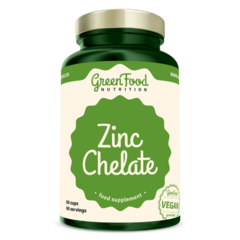
GreenFood Zinek Chelát
Sources:
- ¹ PMC10291914 (2020): Zinc status and serum testosterone levels in adult men: a cross-sectional study
- ² PMID 37606553 (2023): Comparison of Zinc Bioavailability from Chelate versus Inorganic Salt in Healthy Men
- ³ PMC11502536 (2010): Organic vs inorganic zinc effects on testicular function and antioxidant capacity
No posts have been made yet.








