When to take zinc: effects, sources and recommended dosage
 Author:
 Zinc is an essential mineral that plays a key role in many bodily processes, from immune system support to wound healing and protein synthesis. If you're wondering what zinc is good for, when to take zinc, how to get it from your diet, and whether it's worth reaching for zinc chelate supplements, read the following article. We draw only on proven science to help you make the best decision for your healthy lifestyle.
Article Content:
- What is zinc good for? The main effects
- What is zinc good for? The best sources in the diet
- When to take zinc? And how?
- Zinc chelate: Why is it sought after?
- Zinc in food vs. supplements
What is zinc good for? Main effects
Immune system support
One of the most important effects of zinc is its influence on the proper functioning of the immune system. Studies show that getting enough zinc helps to maintain optimal immune cell numbers and function, helping to protect the body from infections.
Tissue growth and regeneration
Zinc is involved in cell division and DNA synthesis, which is essential for wound healing, hair and nail growth. When zinc is deficient, the regeneration process can slow down and the quality of skin and hair can deteriorate.
Support hormonal balance
In men, zinc is usually associated with testosterone production, but in both sexes it is important for proper thyroid function and other hormonal regulation.
Antioxidant defence
Zinc acts as a cofactor for a number of enzymes that neutralize harmful free radicals in the body. Thus, it helps protect cells from oxidative stress and premature aging.
What is zinc in? The best sources in the diet
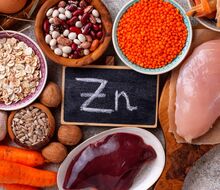
If you're wondering what zinc is in, you don't have to rush to the pharmacy right away. It's a good idea to first enrich your diet with foods that are rich in zinc.
- Meat and offal: Beef, pork, liver or poultry are among the best sources of zinc with high bioavailability.
- Seafood: Oysters and other seafood (e.g. shrimp, mussels) contain exceptionally high levels of zinc.
- Legumes and whole grains: Beans, lentils or oatmeal are excellent plant sources of zinc, but due to their phytate content, absorption may be lower.
- Nuts and seeds: Pumpkin seeds, cashews or sunflower seeds will enrich your diet with zinc, healthy fats and other important minerals.
(If you're lacking inspiration, try combining meat or seafood with a side of legumes and adding nuts or seeds to your salad.)
When to take zinc? And how?
With food or fasting
Most people are comfortable taking zinc with meals to reduce the risk of stomach irritation. However, some studies suggest that taking zinc on an empty stomach may improve its absorption. However, if you suffer from digestive problems, it is preferable to consume zinc with meals.
At intervals from other minerals
Zinc, calcium and iron can interact with each other in their absorption. For optimal effect, it is recommended to take the supplements several hours apart, especially if higher doses are involved.
Suitable daily dosage
The recommended daily allowance (RDA) is around 8 mg for women and 11 mg for men, however active individuals may have a higher requirement. If you take dietary supplements, monitor your daily intake so that you do not exceed 40 mg of zinc per day (the upper tolerable limit for adults).
Zinc Chelate: Why is it in demand?
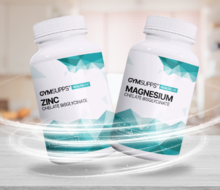
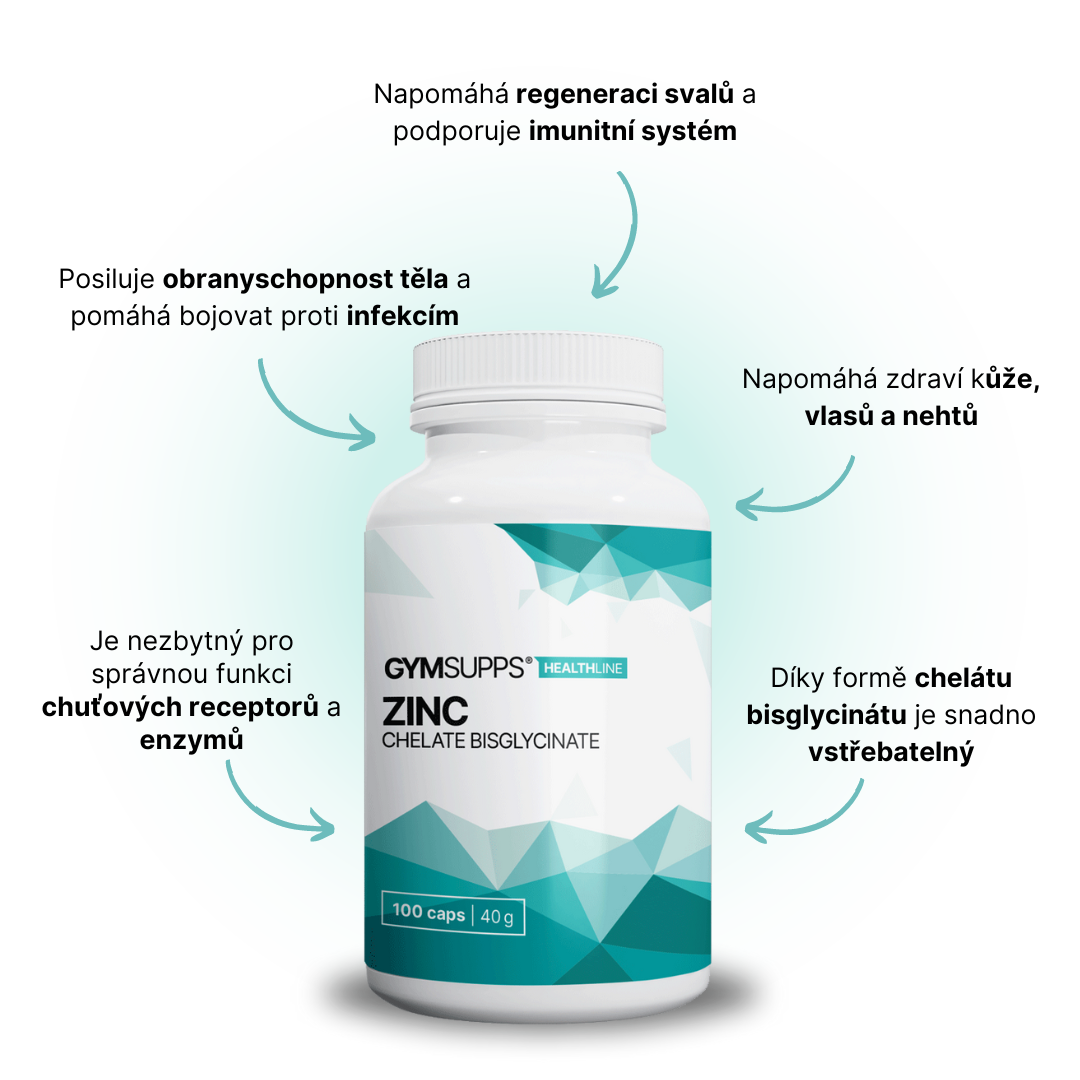
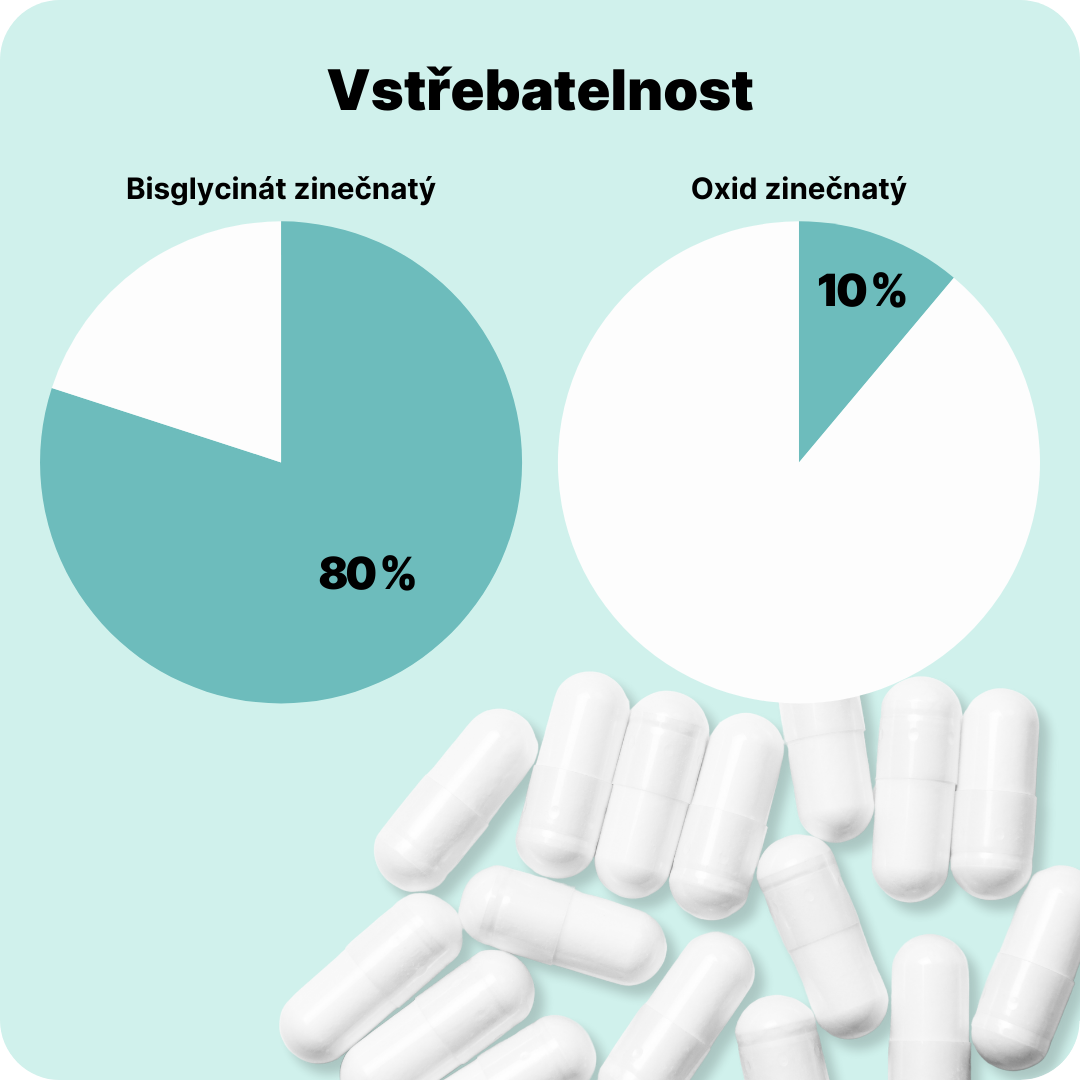
Zinc chelate, e.g. GymSupps Zinc Chelate Bisglycinate, is one of the forms of zinc that is often cited as being well absorbed and easy on the stomach. In the chelate form, the mineral is bound to an amino acid (glycine), which can improve its absorption and reduce the risk of digestive upset.
- Higher bioavailability - due to the chemical binding to amino acids, zinc is better utilised by the body.
- Recommended for zinc deficiency - if your doctor diagnoses you with low zinc levels, the chelated form is one of the proven choices.
.png)
.png)
Zinc in food vs. supplements
Diet comes first
For most people, it's best to get your zinc from a varied diet. Dietary zinc tends to be accompanied by other important substances such as proteins, fats, vitamins and other minerals.
Supplements as support
They are especially recommended for people who consume few animal products (vegans and vegetarians) or have increased demands (athletes, pregnant and breastfeeding women, the elderly). In this case, taking zinc chelates or other highly absorbable forms may be appropriate.
Balance with other nutrients
Excess zinc can inhibit the absorption of copper and other minerals. Therefore, monitor doses and consult a doctor or nutritionist if unsure.
.png)
Conclusion
Zinc plays an important role in many biological processes in the body. What is zinc good for? It supports immunity, wound healing, hormone function and antioxidant defense. The main source should be a balanced diet rich in meat, seafood, legumes and seeds. If dietary zinc intake is not sufficient, a supplement can be taken - for example, zinc chelate, which ensures good absorption and is gentler on the digestive tract.
In general, it is advisable to take zinc with or shortly after meals for better absorption. Also monitor your total daily intake to ensure that you reach the recommended dose but do not exceed the safe limit.
If you follow these principles and do not neglect other key elements of a healthy lifestyle (quality sleep, sufficient exercise, balanced intake of micro and macronutrients), zinc can significantly benefit your immunity, recovery and overall vitality.
Recommended
Links to scientific studies
- Da Silva, S. L., et al. (2016). Chelate compounds in mineral supplementation for ruminants. Tropical Animal Health and Production, 48(1), 1-7.
- Gammoh, N. Z., & Rink, L. (2017). Zinc in infection and inflammation. Nutrients, 9(6), 624.
- King, J. C. (2011). zinc: an essential but elusive nutrient. The American Journal of Clinical Nutrition, 94(2), 679S-684S.
- NIH (2022). Zinc: Fact Sheet for Health Professionals. National Institutes of Health.
- Powell, S. R. (2000). The antioxidant properties of zinc. Journal of Nutrition, 130(5S Suppl), 1447S-1454S.
- Prasad, A. S. (2013). Discovery of human zinc deficiency: its impact on human health and disease. Advances in Nutrition, 4(2), 176-190.
- Wessels, I., Maywald, M., & Rink, L. (2017). Zinc as a gatekeeper of immune function. Nutrients, 9(12), 1286.
No posts have been made yet.