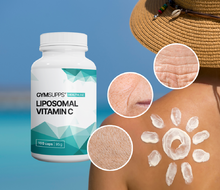
What is vitamin C and everything about it
 Author:
 Vitamin C, technically called ascorbic acid, is one of the best known and most researched vitamins. Most of us associate it with boosting immunity during flu season or with the sour taste of citrus fruits. However, its role in our bodies is much more complex and absolutely essential to our health. Unlike most animals, the human body cannot make vitamin C on its own, so we are entirely dependent on dietary intake. This article, based on scientific reviews, will give you an overview of what vitamin C really is, how it works and why it is indispensable for us.
Article content:
- The building block and protector of the body
- Influence on health and disease prevention
- Sources, dosage and safety
The building block and protector of the body
Vitamin C is an inherently water-soluble micronutrient that serves two major and irreplaceable functions in the body: it acts as a key cofactor for a number of enzymatic reactions and as a highly effective antioxidant.
As a cofactor, we can think of it as a little helper without which enzymes - the proteins that speed up chemical reactions in the body - could not function properly. One of the most important reactions in which it is involved is the synthesis of collagen. Collagen is the basic building protein of connective tissues. It forms the structure of our skin, bones, cartilage, tendons, ligaments and blood vessels. Without enough vitamin C, collagen would not form properly, leading to a weakening of these tissues. A historical example of extreme vitamin C deficiency is scurvy, a disease of sailors that manifested itself in bleeding gums, tooth loss and poor wound healing - all due to impaired collagen production.
The second, equally important role, is its function as an antioxidant. During normal metabolic processes in our body, so-called free radicals are produced. These are unstable molecules that can damage cells, proteins and DNA, contributing to the aging process and the development of a number of chronic diseases, including cardiovascular disease and some cancers. Vitamin C can neutralize these free radicals and protect our cells from damage known as oxidative stress.¹
Impact on health and disease prevention
Thanks to its unique properties, vitamin C has a proven effect on many aspects of our health. Scientific studies focus mainly on its role in preventing and supporting the treatment of civilisation diseases.
Cardiovascular system:
Research suggests that a higher intake of vitamin C than just the basic recommended daily allowance is associated with a lower risk of cardiovascular disease. It appears that vitamin C may help to increase levels of "good" HDL cholesterol while protecting "bad" LDL cholesterol from oxidation. It is oxidized LDL cholesterol that is one of the key factors in the development of atherosclerosis (hardening of the arteries). Furthermore, it has been observed that vitamin C supplementation may slightly lower blood pressure and reduce cardiovascular mortality overall.²
Immune system:
Vitamin C is essential for proper immune system function. It supports the production and activity of white blood cells, specifically lymphocytes and phagocytes, which are the main fighters against infections. It accumulates in these cells and protects them from the oxidative damage that occurs when fighting pathogens. Although vitamin C may not directly prevent the common cold, studies show that regular supplementation can shorten the duration and relieve the symptoms of illness.¹
Cancer prevention:
The relationship between vitamin C and cancer is the subject of intense research. As a powerful antioxidant, vitamin C may reduce oxidative stress, which is one of the factors contributing to cancer. Some studies suggest that a high intake of vitamin C from fruits and vegetables is associated with a lower risk of certain types of cancer. Recently, the potential of high intravenous doses of vitamin C as an adjunctive therapy in cancer treatment has also been investigated, where it appears that it may improve patients' quality of life and reduce the toxicity of chemotherapy. However, it should be stressed that further research is still needed in this area.¹
Sources, dosage and safety
The best natural sources of vitamin C are, of course, fruits and vegetables. Among the richest are citrus fruits (oranges, grapefruits), berries (strawberries, blackcurrants), kiwis, peppers, broccoli, kale and potatoes.
The recommended daily allowance (RDA) in Europe is around 80-110 mg for adult men and women. However, scientific reviews suggest that higher doses, often in the range of 200-1000 mg per day, taken in the form of dietary supplements, may be beneficial to achieve optimal health benefits, especially preventive ones.¹,²
.png)
Vitamin C is generally considered very safe, even in high doses. Because it is water soluble, the body does not store excess vitamin C and excretes it in the urine. At very high doses (usually above 2000 mg per day), some individuals may experience mild gastrointestinal problems such as diarrhoea or nausea. People with certain health problems, such as kidney disease or iron metabolism disorders, should consult their doctor about high doses of vitamin C.
Conclusion
Vitamin C is much more than just a cold remedy. It is an essential nutrient that plays a key role in fundamental biological processes, from building our bodies to protecting our cells to supporting our immune systems. Getting enough of it, whether from a diet rich in fruits and vegetables or from quality supplements, is one of the cornerstones of maintaining good health and preventing many chronic diseases. Investing in vitamin C is an investment in our overall vitality and longevity.
Recommended

Sources:
- ¹ Abdullah, M., Jamil, R. T., & Attia, F. N. (2025). vitamin C (Ascorbic Acid). in StatPearls. StatPearls Publishing.
- ² Hemilä, H. (1995). The health effects of vitamin C supplementation: a review. Journal of the American College of Nutrition, 14(6), 549-558.
No posts have been made yet.