What is dextrose
 Author:
 Today we look at a topic of interest not only to nutritionists, but also to athletes and anyone who wants to learn more about the components of their diet. In this article, we will look at the question of what is dextrose. You will learn what chemical properties it has, how it is produced, where it is found and what uses it has in food, medicine and sports nutrition. We'll back it up with scientific studies and practical tips to help you understand the role of dextrose in your body.
Article content:
- What is dextrose? Basic definition and chemical properties
- Production and sources of dextrose
- Uses of dextrose in food, medicine and sports nutrition
- Effect of dextrose on the body: Metabolism and energy effect
- How to use dextrose properly: Practical tips
- Important aspects and comparison with other sugars
What is dextrose? Basic definition and chemical properties
Dextrose is, simply put, one of the most basic sugars found in nature. Chemically, it is known as D-glucose and belongs to the monosaccharides, i.e. sugars with one sugar unit. Its chemical formula is C₆H₁₂O₆, which is the same formula as the other forms of glucose. However, dextrose is specific in its stereochemical arrangement, which allows it to be an easily absorbed and rapidly utilized source of energy for cells.
The main characteristics of dextrose include:
- High water solubility: Due to its molecular structure, dextrose dissolves very well, making it an ideal ingredient for food and medical solutions.
- Rapid absorption.
- Neutrality: Dextrose has a neutral taste and is less sweet than some other sugars, making it suitable for specific food applications.
Thus, in terms of chemical structure and physiological functions, the answer to our question is that it is a natural monosaccharide that is crucial for the body's energy metabolism.

Production and sources of dextrose
Natural sources of dextrose
Dextrose occurs naturally in fruits, honey and some vegetables. In its natural form, it is found in plant cells and serves as an essential source of energy. When these foods are consumed, dextrose is released and absorbed, providing immediate energy for the cells.
Industrial production of dextrose
In the food and pharmaceutical industries, dextrose is mainly produced from plant starch, especially from corn, potatoes or wheat. The process involves enzymatic hydrolysis, which breaks down long chains of starch into simple sugars, mainly dextrose. This method guarantees a high purity of the resulting product, which is essential for its use in medicine, where dextrose is used, for example, in infusion solutions.
Use of dextrose in food, medicine and sports nutrition
Dextrose in the food industry
Due to its high solubility and rapid absorption, dextrose is widely used as a sweetener and energy source in various food products. It is used, for example:
- In baked goods and confectionery: where it helps to improve the texture of the dough and adds a pleasant sweetness.
- In beverages: As a quick source of energy and refreshment, especially in energy drinks.
- In dessert preparations: thanks to its neutrality, it combines well with other ingredients without affecting their taste.
Medical uses of dextrose
In medicine, dextrose is often encountered in the context of medical procedures. Dextrose is mainly used in:
- Infusion solutions: where it serves as a quick source of energy for patients who are unable to take food by mouth. It is used in the treatment of hypoglycemia, where a rapid rise in blood sugar is essential.1
- Nutritional supplements: for patients after surgery or in acute conditions where there is a need to support the body's recovery.
Dextrose in sports nutrition
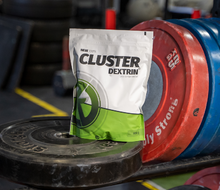
Athletes value dextrose for its ability to quickly replenish energy stores after a strenuous workout or race. With its low glycemic index and rapid absorption, dextrose provides an immediate source of energy to help speed muscle recovery and improve performance during athletic activities. When combined with other carbohydrates and amino acids, it becomes an invaluable addition to recovery drinks.2
Effect of dextrose on the body: metabolism and energy effect
Rapid absorption and metabolism
After consuming dextrose, this sugar is absorbed very quickly into the bloodstream where it is used as the primary source of energy for the cells. Cells, especially muscle and brain cells, thus receive an immediate supply of glucose, which improves their function and contributes to the overall vitality of the body. Studies show that rapid intake of dextrose can significantly contribute to recovery after physical exertion.2
Energy balance and glycaemia
When used responsibly, dextrose contributes to maintaining stable blood sugar levels. Although dextrose is a quick source of energy, its effects depend on the dosage and context of the overall diet. Excessive intake may cause a short-term rise in glucose levels, which should be taken into account, especially in people with diabetes. For this reason, appropriate dosage and a balanced diet are important to avoid adverse effects.
Research studies and scientific support
Scientific research confirms the effectiveness of dextrose in various areas:
- Study 1: Dextrose supplementation has been shown to increase energy levels and promote recovery after physical exertion.
- Study 2: Research has confirmed that dextrose significantly improves athletic performance and accelerates muscle recovery.
- Study 3: This study demonstrated that intravenous administration of dextrose is an effective method for treating hypoglycemia when blood sugar levels need to be raised quickly.
These studies underline that dextrose is not just an ordinary sugar but a valuable source of energy with a wide range of applications in various fields of medicine and sports nutrition.
How to use dextrose properly: Practical tips
1. Determining the correct dosage
For athletes, it is recommended to use dextrose before and after training to ensure optimal replenishment of energy stores. In medicine, the dosage is based on the specific medical condition and is administered under the supervision of experts.
2. Combination with other nutrients
Dextrose often figures in combination with other carbohydrates, amino acids or electrolytes. This combination can have a synergistic effect - for example, in sports drinks, where dextrose promotes rapid muscle recovery while improving the body's overall hydration.
3. Suitability for different types of athletes and patients
- Athletes and active individuals: For them, dextrose is a great source of energy during an intense workout or race.
- Patients in hospitals: in case of hypoglycaemia or the need for rapid nutritional support, dextrose is used in infusion solutions to quickly bring the patient to a stable state.
4. The dextrose dehydration can be used to help the patient recover from the shock and get a balanced diet.
Although dextrose is an effective source of energy, it should not replace an overall balanced diet. Ensure that your diet contains sufficient fibre, protein and healthy fats to ensure a steady release of energy and overall metabolic balance.
5. Safety aspects
Care should be taken when taking dextrose to meet individual needs. Persons with diabetes or metabolic disorders should consult a physician when using dextrose. It is always important to monitor the body's response and adjust the dosage if necessary to avoid side effects such as sudden increases in blood glucose levels.
.png)
Important aspects and comparison with other sugars
Comparison with fructose and sucrose
It is worth comparing dextrose with other commonly used sugars such as fructose and sucrose. Unlike sucrose, which is a disaccharide, and fructose, which has a different metabolic profile, dextrose is pure glucose. This makes it:
- Faster absorption: which makes it an ideal choice when you need energy quickly.
- Higher efficiency in recovery.
Applications in the food industry
In the food industry, dextrose is used not only as a sweetener, but also as a stabilizer and preservative. Its properties help maintain the texture and freshness of food, which is particularly important in the industrial production of desserts and beverages.
Practical tips for everyday use of dextrose
- Balanced carbohydrate intake: Include natural sources of dextrose in your diet, such as fruit, honey or whole grain products, and supplement with quality dextrose products if you need a quick energy boost.
- Sports recovery: if you are an active athlete, try sports drinks containing dextrose immediately after training to speed up the recovery of muscle glycogen stores.
- Blood level monitoring: People with metabolic disorders or diabetes should monitor their glucose levels regularly and consult a doctor about taking dextrose.
- Infusion therapy: In a hospital setting, dextrose is used to treat hypoglycemia - this method of administration allows for an immediate increase in patients' energy levels.
- Educate Yourself: If you're curious about more detailed information about dextrose, we recommend following current scientific literature and peer-reviewed articles that continually expand our knowledge of this important molecule.
A final summary
Whatever you've been groping over what dextrose is, you now have a comprehensive overview of this important ingredient. Dextrose, or D-glucose, is a key monosaccharide with many uses:
- As a quick source of energy, sweetener and stabilizer.
- In medicine.
- In sports nutrition: As a means of rapid recovery and replenishment of energy stores.
Proper dosage, combination with other nutrients and an individual approach are important to ensure that the effect of dextrose is optimal and safe. Scientific studies confirm that dextrose has a positive effect on metabolism and regeneration and therefore deserves the attention of both professionals and ordinary consumers.
Recommended
Sources:
- 1)Effects of Dextrose on Energy Metabolism in Humans" - Journal of Nutritional Biochemistry, 2014.
- 2)Dextrose and its Role in Sports Nutrition: A Controlled Study" - Sports Medicine Journal, 2016.
- 3)Intravenous Dextrose in the Management of Hypoglycemia" - Medical Research Archives, 2018.
No posts have been made yet.