Vitamin C overdose and its symptoms
 Author:
 In the world of sports, fitness and biohacking, we are constantly looking for ways to push our limits. Better recovery, stronger immunity, more energy. And in this pursuit of performance, one of the most popular tools has become megadosing vitamins. At the top of this trend is an old friend - vitamin C. We sprinkle it in our morning smoothies, swallow it in tablets by the gram, and believe that the more the better. After all, it's "only" a water-soluble vitamin, the body takes what it needs and simply eliminates the rest. But is it really that simple?
Unfortunately, this comforting myth is dangerously simplistic. Although vitamin C is absolutely crucial for our bodies and athletic performance, excessive intake is certainly not without consequences. Scientific studies and medical case reports are increasingly revealing the flip side of this phenomenon. Let's take a look at what really happens in the body when a good servant becomes a bad master, and what symptoms should be a warning sign for you.
Article content:
- The myth of absolute safety and the established boundaries
- When you overdo it: From inconvenience to serious risk
- More hidden risks that aren't talked about
The myth of absolute safety and set boundaries
The basic premise is correct: vitamin C is water soluble. Unlike fat-soluble vitamins (A, D, E, K), it is not stored in the body for long periods of time. This is the reason for the general belief in its unlimited safety. Our kidneys are indeed efficient in removing excesses, but even their capacity has its limits.
Expert institutions such as the US National Institutes of Health (NIH) have established the so-called Tolerable Upper Intake Level (UL), the highest daily dose that is unlikely to cause side effects in almost all healthy individuals. For an adult, this limit is set at 2000 milligrams (2 grams) per day¹. Anything above this limit is already considered potentially risky unless taken under medical supervision for specific therapeutic reasons. For comparison, the recommended daily allowance (RDA) for an adult male is 90 mg and for a female 75 mg. Doses frequently taken by athletes may therefore exceed this safe limit by a factor of ten.
If you overdo it: From inconvenience to serious risk
Symptoms of vitamin C overdose vary according to the size of the dose and individual sensitivity. They can range from mild, but very limiting for athletes, to serious and permanent damage to health.
1. Belly on water - The most common warnings
This is the first and most common signal your body uses to tell you "enough". If you regularly take high doses of vitamin C (usually above 2-3 grams), you may experience a number of gastrointestinal problems:
- Diarrhea
- Nausea and vomiting
- Abdominal cramps and bloating
- Heartburn
The cause is simple and is called osmotic diarrhea. Vitamin C that is not absorbed in the small intestine travels to the large intestine where it binds water due to its osmotic properties. This leads to an increase in fluid volume in the intestine and subsequently to diarrhoea. For athletes, this is not just an inconvenience. Acute diarrhea leads to dehydration, loss of electrolytes, and a drop in energy, which can absolutely ruin a training drive or race performance¹.
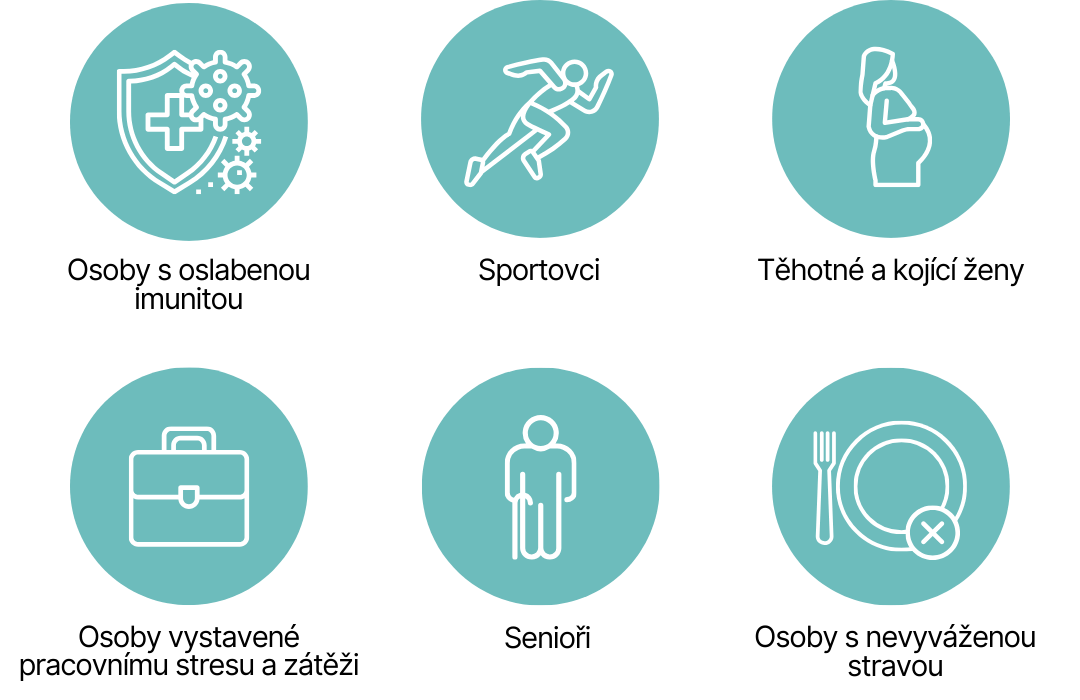
Who is it suitable for?
2. Kidney stones - A silent and dangerous enemy
While intestinal problems are rather annoying, here we come to the most serious and well-documented risk of mega-dosing vitamin C. The mechanism is tricky: our body metabolises (converts) excess vitamin C into a substance called oxalate (oxalic acid). This oxalate is then excreted in the urine.
The problem occurs when there is too much oxalate in the urine. It can begin to bind with calcium and form tiny but sharp crystals of calcium oxalate. These crystals then form kidney stones.
A number of studies have shown that this is not a false threat. A large Swedish study published in the prestigious journal JAMA Internal Medicine, which followed over 45,000 men for 11 years, produced alarming findings. Men who regularly took dietary supplements high in vitamin C (around 1000 mg per day) had twice the risk of developing kidney stones compared to men who did not take any supplements².
Even more drastic are the specific case studies. Medical journals describe cases of patients whose chronic use of high doses of vitamin C (4 grams or more) led to such massive formation of oxalate crystals that kidney tubules became blocked, resulting in acute kidney failure requiring dialysis³. Although such cases are rare, they illustrate the potential severity of this risk, particularly in individuals who have a genetic predisposition to stone formation or already suffer from some form of kidney disease.

Other hidden risks that are not talked about
As well as indigestion and kidney stones, there are other, less well-known but all the more insidious side effects.
- Lab test bias: Vitamin C is a powerful reducing agent. This means that it can chemically react with substances used in some lab tests and skew their results. For example, it can falsely lower blood glucose measurements, which is especially dangerous for diabetics. It can also lead to false-negative stool blood test results, thereby masking serious gastrointestinal disease¹.
- Excessive iron absorption: vitamin C significantly increases the absorption of so-called non-heme iron (iron from plant sources). For vegans or people with anaemia, this is a welcome bonus. However, for individuals with a hereditary condition called haemochromatosis, in which iron builds up in the body, this is very dangerous. Excess iron is toxic and damages organs such as the liver and heart.
Conclusion.
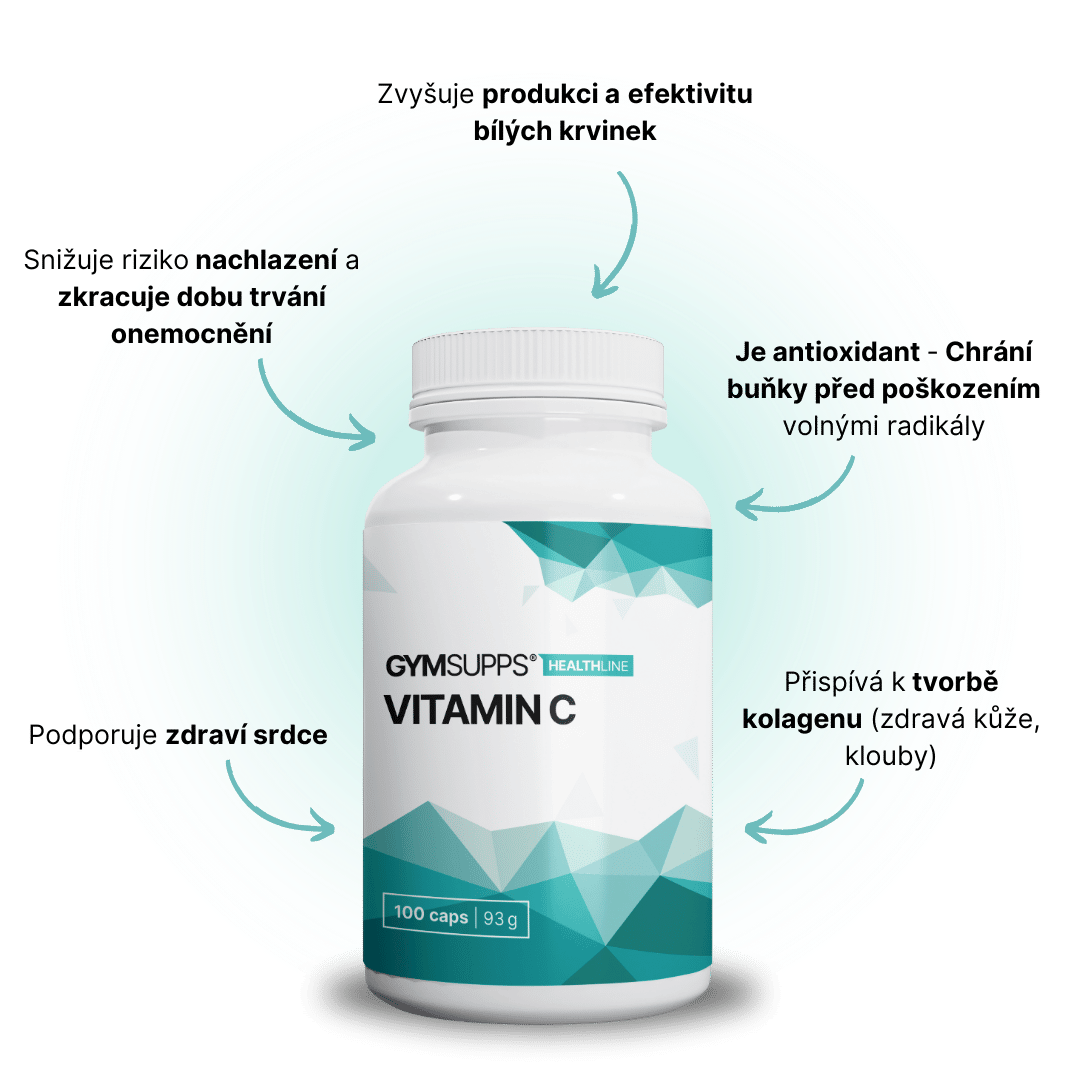
Vitamin C is undoubtedly vital for athletes. It supports immunity weakened by training, fights oxidative stress and is essential for collagen production for healthy tendons and ligaments. However, the path to optimizing its levels doesn't lead through mindlessly swallowing gram doses.
The scientific evidence is clear: the "more is better" approach to vitamin C is not only misguided, but potentially harmful. Instead of chasing mega-doses, focus on a varied diet rich in fruits and vegetables (peppers, broccoli, kiwi, citrus, sea buckthorn) that will provide you with enough vitamin C in a natural and safe form. If you are considering supplementation, stick to the recommended doses and never exceed the upper safe limit of 2000 mg per day without good reason and over a long period of time.
Remember, true performance optimization lies not in extremes, but in balance. The health of your kidneys and digestive tract is as important to your athletic career as the strength of your muscles.
Recommended

Sources:
- ¹ National Institutes of Health. "Vitamin C: Fact Sheet for Health Professionals." Office of Dietary Supplements, 2024.
- ² Thomas, L. D. K., et al. "Ascorbic Acid Supplements and Kidney Stone Incidence Among Men: A Prospective Study". JAMA Internal Medicine, 2013.
- ³ Lamarche, J., et al. "Vitamin C-Induced Oxalate Nephropathy". Canadian Journal of Kidney Health and Disease, 2011.
No posts have been made yet.