





Vitamin C deficiency and its symptoms
 Author:
 When you say vitamin C, most of us think of a glass of orange juice during flu season. It's our proven ally in the fight against the common cold and a symbol of immunity. But what if we told you that its role in the body, and especially in the athlete's body, is much more fundamental? That its silent deficiency may not only cause more frequent colds, but can take a creeping toll on your strength, endurance, recovery and even be the cause of injuries that won't and won't heal? Forget the myths for a moment and let's take a look at what happens when this key vitamin is missing from your body, based on real medical cases.
Article Content:
- The building block: why is vitamin C indispensable?
- When the glue crumbles: Surprising signs of deficiency
- Who's at risk? It's not just a bad diet
The building block: why is vitamin C indispensable?
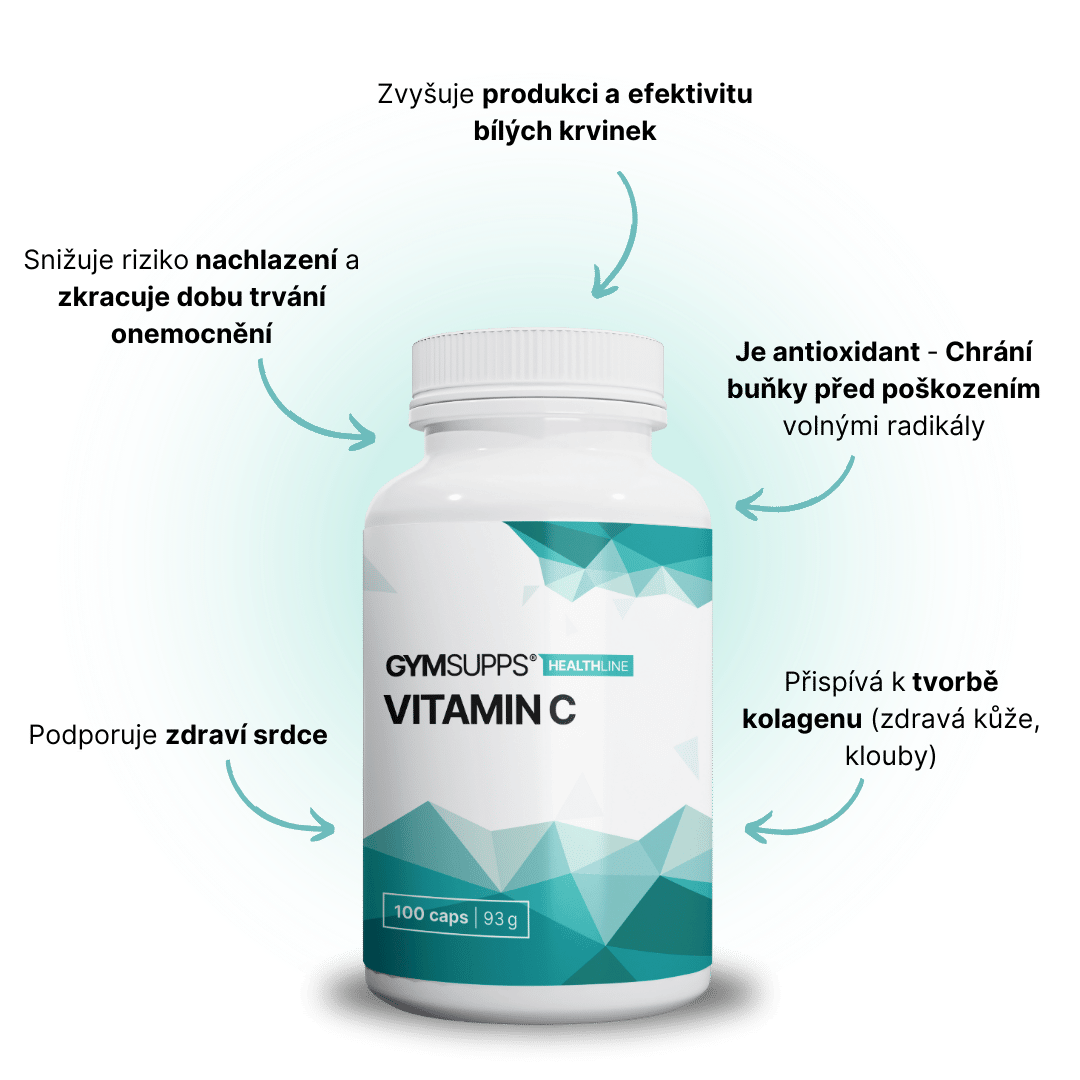
To understand the symptoms of deficiency, we must first understand what vitamin C (ascorbic acid) actually does in the body. Think of it as the most important worker in the construction called the "human body". Its main job is to participate in the synthesis of collagen. Collagen is the most abundant protein in our body - it is literally the glue that holds our tissues together. It forms the structure of skin, bones, cartilage, tendons, ligaments and most importantly blood vessels.
For athletes, healthy and strong collagen is the alpha and omega. It ensures the elasticity of tendons, the strength of bones and the resistance of blood vessels, which must cope with increased blood flow during exercise. Without enough vitamin C, this "glue production" stalls. Structures weaken, become brittle and prone to damage.
The second key role of vitamin c is its function as a powerful antioxidant. During intense training, the body generates huge amounts of free radicals - unstable molecules that cause so-called oxidative stress and damage cells. Vitamin C neutralizes these radicals, protects cells from damage and thus contributes to faster and more efficient recovery.
When the glue crumbles: Surprising signs of deficiency
Historically, severe vitamin C deficiency has been associated with the sailors' disease scurvy. Today, while we rarely see full-blown scurvy, subclinical (milder) deficiency is much more common than we think. And its symptoms are tricky because it's easy to mistake them for manifestations of overtraining or common sports injuries.
1. Skin and blood vessels.
Vitamin C deficiency shows up most quickly where collagen is needed most - on blood vessels. When the walls of the capillaries (the smallest blood vessels) are weakened, they burst easily. This leads to symptoms that every athlete should look out for:
- Unexplained bruises: do you get bruises even after a light hit, or even without an obvious cause? It could be the first signal. A medical case report describes a 56-year-old man whose diet consisted of virtually nothing but tea and toast. He came to the doctor with massive bruising and blood smears on his legs. The diagnosis? A severe vitamin C deficiency that had caused extreme fragility of his blood vessels.
- Petechiae: Tiny, spotty bleeding into the skin that looks like a red or purple rash. They are basically micro-bruises.
- Bleeding gums: this too is a manifestation of weakened capillaries in the gums.
- Slow wound healing: Whether it's a scratch or a surgical wound, the production of new collagen is crucial for healing. With vitamin C deficiency, this process is significantly slowed down.
2. Pain that does not subside: Impact on muscles and bones
Here we get to the heart of the problem for any active person. We often attribute joint and muscle pain to strenuous training. But what if the cause lies elsewhere? The case of a 12-year-old boy, an active athlete, is an alarming example. The boy complained of knee and leg pain for months, and even began to limp. He underwent a series of examinations for rheumatological and orthopaedic problems, but without results. In the end, it turned out that his very restrictive diet had led to a vitamin C deficiency. This caused weakening of the bones and bleeding into the joint spaces, leading to severe pain. The pain completely disappeared within a few weeks after the vitamin C supplementation³.
What this means for athletes is that chronic joint pain, a feeling of stiffness, or an "injury" that doesn't get better may actually be the body's call to replenish this vitamin, which is essential for cartilage, bone, and connective tissue health.

3. Unexplained fatigue and slow recovery
Do you feel tired all the time, even if you get enough sleep? Does it take you longer than usual to recover after a workout? Vitamin C may be the culprit here too. As already mentioned, intense physical activity produces oxidative stress. Vitamin C as an antioxidant helps to manage this stress. If you have too little of it, the body has a harder time coping with the damage, recovery is prolonged and a feeling of deep fatigue sets in.
A systematic review of studies has looked at the use of vitamin C in the treatment of fatigue, including that following viral illnesses (such as Long COVID). It has shown that vitamin C supports adrenal function, is involved in the synthesis of carnitine (a molecule crucial for transporting fats to the cell's powerhouse, the mitochondria) and generally reduces feelings of exhaustion². For athletes, the message is clear: low vitamin C levels can directly sabotage your energy and ability to recover from strenuous exercise.
Who is it good for?
Who is at risk? It's not just a bad diet
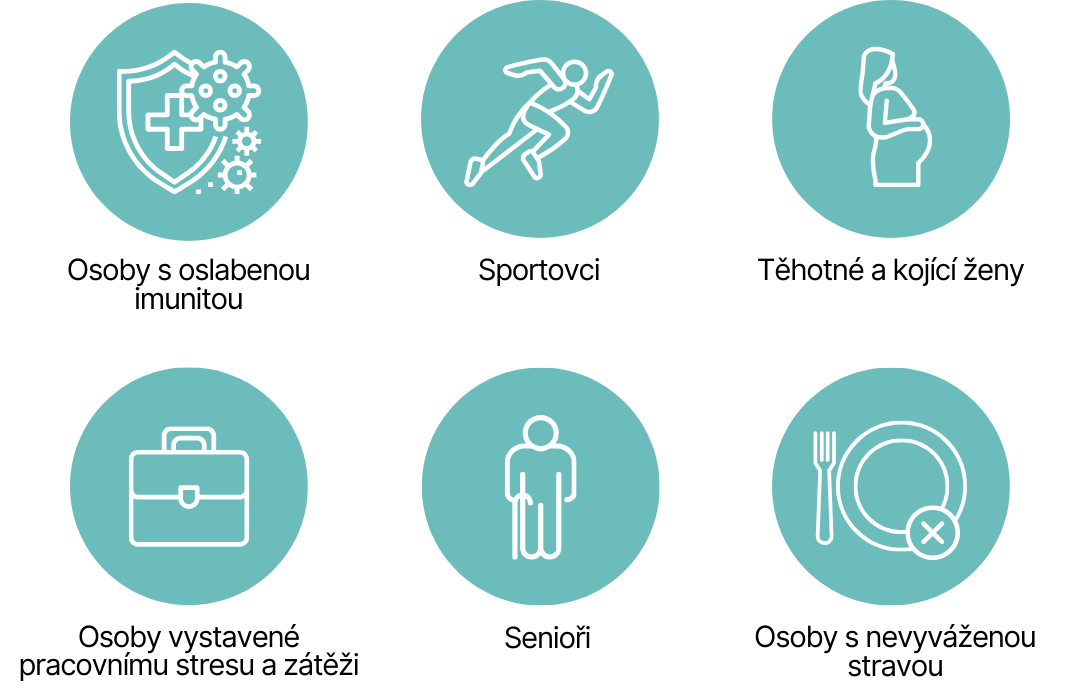
The risk of vitamin C deficiency doesn't just apply to people with extremely one-sided diets. A surprisingly large proportion of the population is at risk, including athletes. They have an increased need or risk of deficiency:
- Active athletes: due to high metabolic turnover and increased oxidative stress from training.
- Smokers: each cigarette "burns" a certain amount of vitamin C in the body, so smokers have a need up to 40% higher.
- People under chronic stress: Physical and mental stress increases the consumption of this vitamin.
- People with digestive disorders: A study on patients with inflammatory bowel disease (Crohn's disease, ulcerative colitis) showed that vitamin C deficiency is very common in these patients. This is due to a combination of inflammation, which increases the consumption of antioxidants, and reduced absorption of nutrients from the gut⁴.
Conclusion.
Patient stories from medical reports clearly show us that vitamin C is much more than just a seasonal dietary supplement. Its deficiency can manifest in sneaky and insidious ways - unexplained bruising, chronic fatigue or joint pain that directly sabotages your athletic performance and overall health.
For athletes, the goal shouldn't just be to avoid scurvy, but to optimize vitamin C levels for maximum performance, endurance and recovery. A varied diet rich in fresh fruits (citrus, kiwi, berries, sea buckthorn) and vegetables (peppers, broccoli, kale, potatoes) is essential. In periods of increased stress, illness or when any of these symptoms are suspected, targeted supplementation may be appropriate after consultation with a specialist. Listen to your body. Maybe that unexplained fatigue or sore knee isn't just a sign of overtraining, but a silent cry for help from one of the most important vitamins in our bodies.
Recommended

Sources footnoted:
- ¹ S. P. GINTER, et al. "Extensive bruising secondary to vitamin C deficiency". CMAJ, 2011.
- ² T. V. HOANG, et al. "Feasibility of Vitamin C in the Treatment of Post Viral Fatigue with Focus on Long COVID, Based on a Systematic Review of IV Vitamin C on Fatigue". Nutrients, 2022.
- ³ L. SOGSTAN, et al. "Vitamin C deficiency in a 12-year-old male presenting with knee pain: a case report". Journal of Medical Case Reports, 2022.
- ³ H. PRINZIVALLI, et al. "Prevalence and factors associated with vitamin C deficiency in inflammatory bowel disease". Scientific Reports, 2022.
No posts have been made yet.








