





The end of endless exhaustion? How can Omega-3s help fight migraines and poor sleep?
 Author:
 Migraine is not just an "ordinary headache". For those who suffer from it regularly, it is a complex problem. Attacks bring with them a domino effect - stealing hours of your day, disrupting sleep, increasing stress levels and keeping the body in a state where it doesn't get a chance to properly rest and regenerate.
But the latest research offers hope: changing what's on your plate can address not only the pain itself, but also its debilitating effects. The hero of this approach is Omega-3 fatty acids.
Article Content:
- How do Omega-3s work in the nervous system?
- What have clinical studies found?
- How to translate science into practice
- What to watch out for in dietary supplements
How do Omega-3s work in the nervous system?
The reason for the success of Omega-3s lies in their ability to fight inflammation. These fatty acids increase the body's production of anti-inflammatory compounds (called resolvins and proteins). These substances can dampen pain signals in the nervous system.
This shift reduces the overall neurological burden and activity that migraine sufferers face every day.

What have clinical studies found?
Researchers tested adult patients with chronic migraines and divided them into several groups based on diet (high Omega-3 and low Omega-6, high Omega-3 and average Omega-6, and a control group with no change). The results showed that a diet rich in Omega-3 produced demonstrable improvements:
- Better sleep and less stress: participants reported significant improvements in sleep quality and a reduction in daily perceived stress. These benefits occurred even when the frequency of the headaches themselves did not disappear completely.
- Fewer seizures and better mood: Another 12-week study showed that a combination of alpha-linolenic acid (a plant form of Omega-3) and L-carnitine reduced the frequency of migraines by nearly three attacks per month. It also significantly reduced the intensity and duration of pain, and even dramatically improved depression and anxiety scores.

How to translate science into practice
It's important to note that the research focused on people with frequent migraines, but anyone can benefit from the preventive effects and better sleep of this approach. Increased Omega-3 intake does not replace medical care, but acts as a powerful ally.
What to include in your diet:
- Fatty fish (e.g. salmon, sardines)
- Walnuts
- Flaxseeds and flaxseed oil
- Chia seeds

What to watch out for in dietary supplements
If you decide to reach for fish oil in supplement form, be very picky. Omega-3 oils are extremely fragile - they oxidize easily, spoil over time or at high temperatures, and require careful processing.
Always prefer brands that:
- Invest in third-party testing (look for certifications like NSF, Informed Sport, or USP).
- Guarantee purity: make sure they are free of banned substances, contaminants and dangerous levels of toxins or heavy metals. Without these guarantees, you risk buying a tainted product.
While quality testing is expensive, for people who have already exhausted all obvious treatment options, even modest but consistent improvements in sleep and stress reduction are worth it.
Recommended
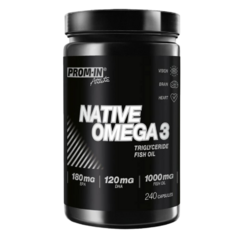
Prom-in Native Omega 3

Reflex Omega 3

GymSupps Omega 3

Omega 3 240cps 1+1
No posts have been made yet.








