





The End of a Decade-Long Lie... Why Doesn't More Protein Destroy Your Kidneys—But Instead Saves Your Life?!
 Author:
 For decades, we’ve been hearing the same warning:“Don’t overdo it with protein—you’re putting unnecessary strain on your kidneys.” This long-held belief has become an integral part of many dietary recommendations. But where did it actually come from? It was originally based on research involving patients with advanced kidney failure, and over time, it began to be applied across the board to the entire population.
However, a new large-scale study shows that this blanket application was likely a mistake that could cost people years of active life.

What the Decade-Long Study Revealed
Researchers followed more than 8,500 older adults for up to ten years and reached a surprising conclusion. Higher protein intake is associated with a significantly lower risk of death—and, surprisingly, even among people in the early stages of kidney disease (stages 1 through 3).
- A significant reduction in risk: People with chronic kidney disease who consumed 1.4 grams of protein per kilogram of body weight per day (compared to the standard recommendation of 0.8 g/kg) had a 27% lower risk of mortality over the course of a decade.
- Benefits for healthy individuals: In adults without kidney disease, every 0.2 g/kg increase in daily protein intake is associated with a 15% reduction in the risk of premature death.

Why is protein the key to longevity?
The reason is fairly straightforward. Protein is the essential building block for maintaining muscle mass. Muscles, in turn, keep almost everything else running: immune function, metabolic resilience, and the body’s ability to recover when illness strikes.
When older adults eat too little protein out of fear for their kidneys, they lose muscle mass much faster, become frail sooner, and their chances of managing health complications are drastically reduced. (It should be noted, however, that protein alone is not enough—muscles are built primarily through strength training, and protein “merely” supports this process.)
How to Plan Your Diet
If that old warning about your kidneys is still nagging at you, know that for most people, the risk of protein deficiency is much higher than the risk of protein excess.
Key Recommendations:
- Target intake: Most adults should aim for 1.2 to 1.6 grams of protein per kilogram of body weight per day. Aiming for the upper end of this range seems increasingly sensible, especially as you get older.
- Variety of Sources: Both animal and plant-based sources have a protective effect. Plant-based sources have been shown to be slightly more beneficial for people with kidney disease (likely due to fiber, minerals, and a lower acid load). The goal is not to eliminate one or the other, but to ensure that both are represented on the plate.
An important exception: This study excluded people with advanced kidney disease (stages 4–5). These patients still require individualized guidance from their doctor and may indeed need a low-protein diet.
How can you increase your protein intake wisely and safely in practice?
This is exactly why people who care about their health and longevity stopped letting outdated myths scare them long ago. They realize that getting enough protein won’t damage their organs; on the contrary, it helps them maintain functional muscle mass, a strong immune system, and vitality well into old age. It’s not about stuffing yourself with kilos of meat from morning to night at the expense of a varied diet, but about supporting your body with smart nutrition and providing it with the necessary building blocks without unnecessarily overloading your digestive tract.
After a tough workout or just a demanding day at work, the thought of another heavy meal can feel more like a punishment for your stomach. This is where it makes perfect sense to reach for a high-quality whey protein, which, in its liquid form, bypasses the lengthy and demanding digestion of solid meat. It’s absorbed instantly, doesn’t strain your organs, and immediately kickstarts the process of muscle recovery and protection. For those with a more sensitive digestive system, a premium isolate—from which both lactose and fat have been removed—is the ideal choice, allowing it to pass smoothly and unnoticed through your system straight to its destination.
Whether you’re in your twenties or over fifty, your body simply needs the building blocks. Once you stop believing in old myths and start listening to real science and the needs of your body, you’ll discover that a top-quality supplement—such as the classic 100% Whey Protein from Kulturistika.com or the pure isolate from Prom-in—is not just extra chemicals. On the contrary, it’s the gentlest, fastest, and safest way to give your body exactly the fuel it needs to truly extend and improve your quality of life.
Recommended
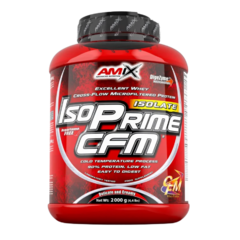
Amix Isoprime CFM

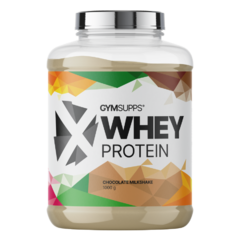
GymSupps XWhey Protein
No posts have been made yet.








