





The anti-ageing effects of collagen through the eyes of science
 Author:
 Skin aging is an inevitable biological process that affects all of us. It manifests itself in the gradual loss of elasticity, hydration, wrinkles and an overall change in skin texture. Although this process is natural, the desire to maintain a youthful appearance and healthy skin has led to intensive research into substances that could alleviate the effects of ageing. One of the most discussed and popular substances in this field is collagen. Collagen dietary supplements have flooded the market with the promise of rejuvenating and improving skin quality. But what are the real scientific facts behind these claims? That's what we'll look at in this article, which aims to assess the real effects of orally administered collagen on the signs of skin ageing, based on two large-scale scientific reviews1,2.
Article content:
- Collagen: the building block of youthful skin
- Oral collagen supplementation: what do systematic reviews and meta-analyses say?
- Confirming the effects and importance of collagen for skin health
- What to consider and what are the limitations of current research?
- Promising potential with a need for further research
- GymSupps Collagen Beauty
Collagen: the building block of youthful skin
Collagen is the most abundant protein in the human body and is a fundamental structural component of connective tissues, including skin, bone, tendons and cartilage.2 In skin, it is responsible for its strength, elasticity and overall structure. There are at least 28 different types of collagen, but type I collagen dominates the human body, accounting for more than 90% of all collagen and is a key component of skin.2 However, as we age, the body's natural production of collagen declines. This decline, along with other factors such as UV exposure, oxidative stress and lifestyle, leads to a gradual degradation of the collagen network in the dermis (the middle layer of the skin). The consequence is loss of elasticity, reduced hydration, thinning of the skin and the formation of wrinkles - typical signs of ageing1,2. Studies1 have shown that the decline in skin quality with age is characterised not only by a reduction in collagen synthesis, but also by a decrease in the activity of fibroblasts (collagen-producing cells) and a decrease in skin blood supply.
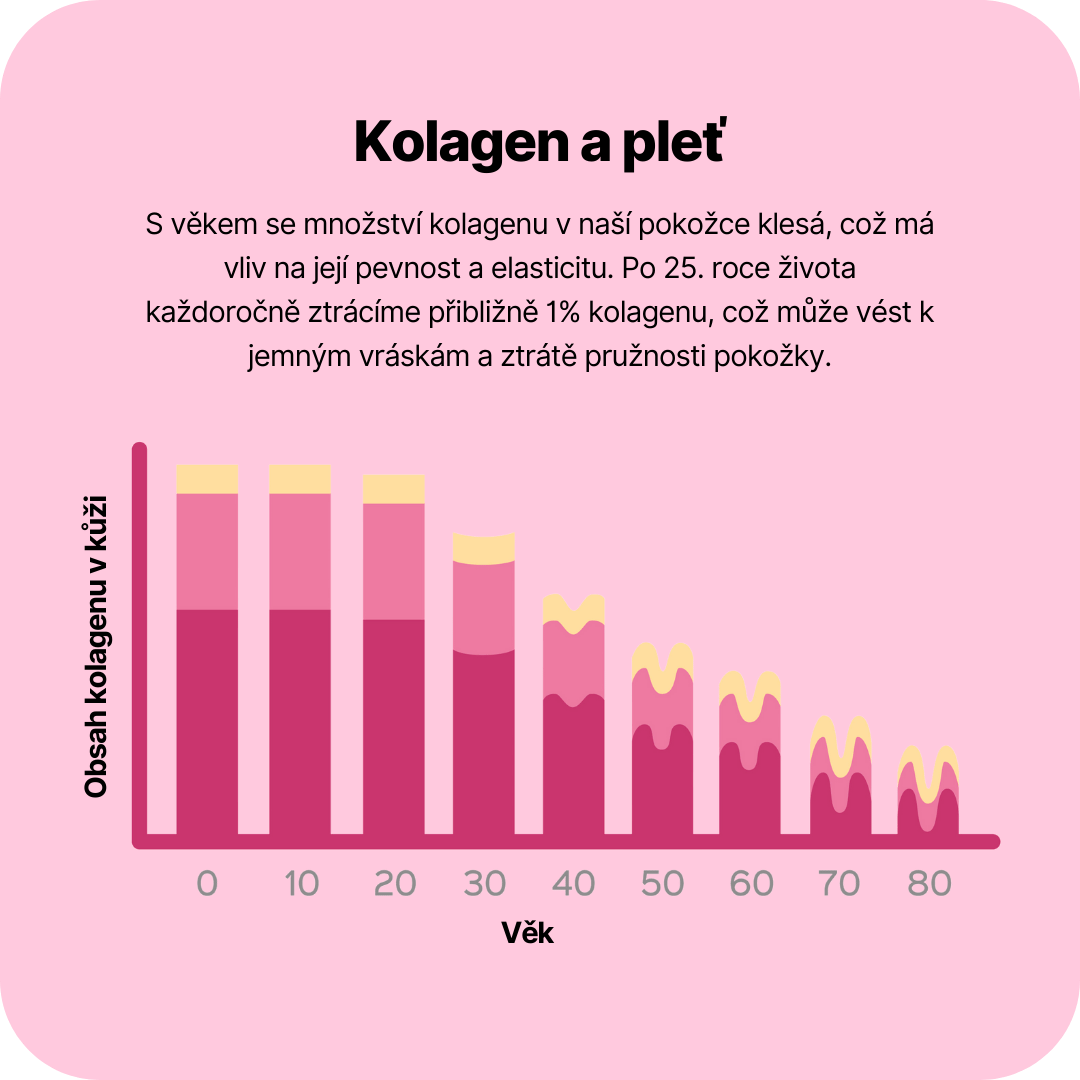
Oral collagen supplementation: what does the systematic review and meta-analysis say?
Oral collagen supplementation, most commonly in the form of hydrolysed collagen (HC) or collagen peptides, has gained considerable popularity in recent years. Hydrolysed collagen is a form of collagen that has been enzymatically cleaved into smaller peptide chains, which should improve its absorption and bioavailability. A systematic review and meta-analysis published in Nutrients by de Miranda et al. (2023)1 aimed to assess the effects of oral collagen supplementation on skin aging based on available randomized controlled trials (RCTs).
Twenty-six RCTs with a total of 1721 patients were included in this meta-analysis. The results showed that supplementation with hydrolyzed collagen significantly improved skin hydration (overall effect: Z = 4.94, p < 0.00001) and also significantly improved skin elasticity (overall effect: Z = 4.49, p < 0.00001) compared with the placebo group.1 The meta-analysis further revealed that the duration of supplementation played a role - longer-term use (more than 8 weeks) appeared to be more favourable for achieving visible results. Regarding the source of collagen, the study found that hydrolysed collagen derived from different sources (fish, beef, chicken, pig and unspecified sources) significantly improved skin hydration. Specifically, fish collagen was identified as the optimal source for improving skin hydration. Interestingly, the meta-analysis found no statistically significant differences in the effects of different collagen sources on skin elasticity.1 Although the output provided from this study did not directly detail specific findings regarding wrinkles and skin roughness, these parameters are generally examined in the context of the anti-aging effects of collagen.
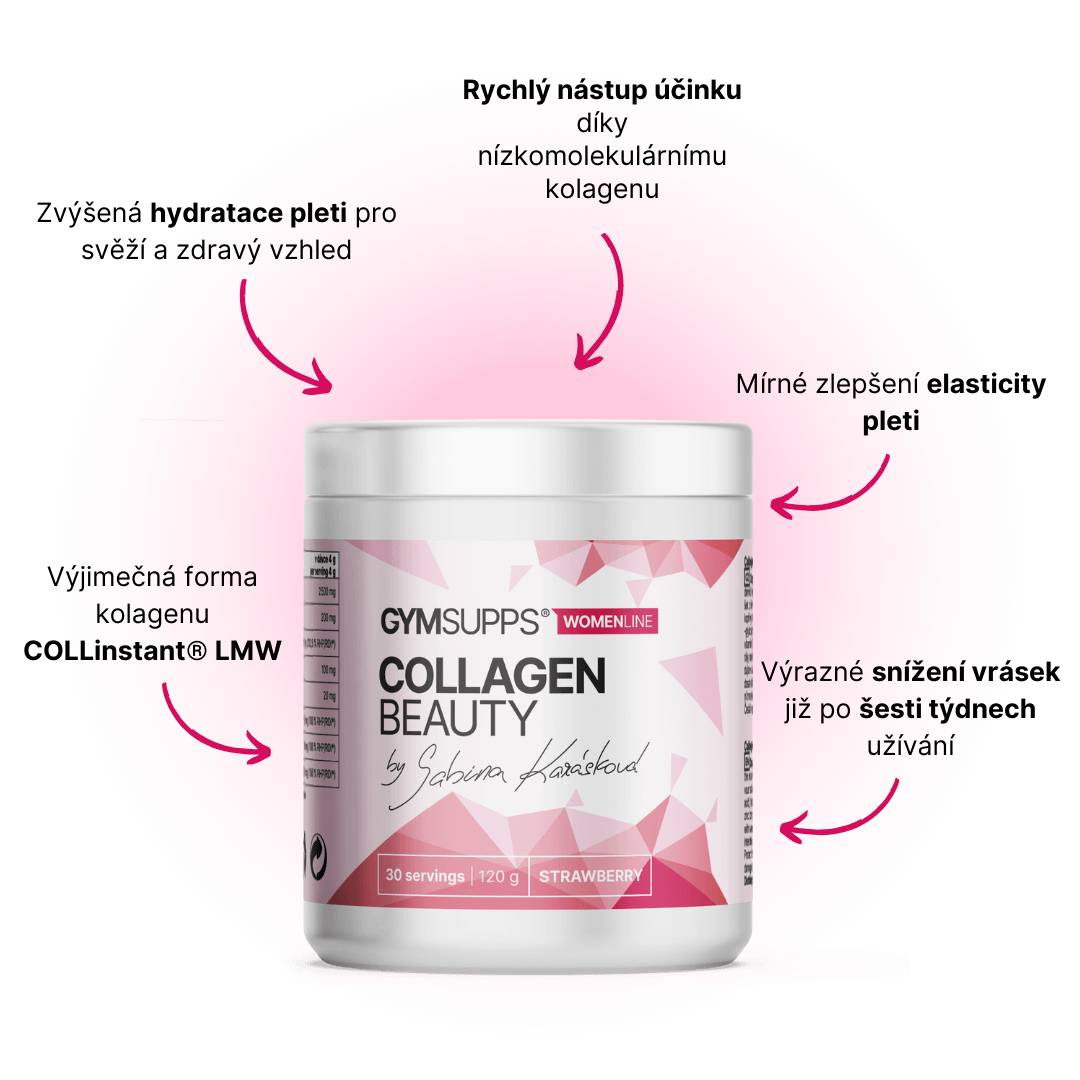
The proposed mechanism by which orally administered hydrolyzed collagen contributes to improved skin hydration is related to the stimulation of hyaluronic acid production in dermal fibroblasts.1 Hyaluronic acid is a key molecule responsible for maintaining moisture in the skin. Oral collagen supplements, especially those containing hydrolyzed collagen peptides, have the advantage of ease of incorporation into daily routines, and are considered safe and cost-effective compared with other collagen-based strategies, according to a study1.
Confirming the effects and importance of collagen for skin health
A review article by Wang et al. (2021)2 published in the journal Pharmaceuticals further supports the findings on the positive effects of collagen. This article highlights that type I collagen is a major component of skin and its loss is directly linked to the aging process. The authors note that collagen treatment (in various forms) has been shown in many clinical trials to effectively improve skin hydration and elasticity.2 Collagen materials and products have great potential for wider use and are among the most important supplements, according to this review.
What to consider and what are the limitations of current research?
Although the results of studies on the effects of oral collagen on skin are promising, it is important to consider certain limitations. A meta-analysis by de Miranda et al.1 identified methodological flaws (bias) in some of the included randomized controlled trials that may have influenced the results. Therefore, the authors highlight the need for further large, high-quality, well-designed randomised controlled trials to confirm the current findings and to further investigate the optimal dosage, duration of use and types of collagen for different aspects of skin ageing.1 It should also be added that research to date has mainly focused on parameters such as hydration and elasticity, while data on, for example, wrinkle depth reduction or skin texture may require further specific studies.
When choosing a collagen supplement, it is advisable to consider the type of collagen (hydrolysed collagen or collagen peptides are generally considered more absorbable), its source (e.g. marine, bovine) and the daily dose. It is also important to remember that collagen supplementation should be part of a comprehensive approach to skin care that also includes sun protection, a balanced diet rich in antioxidants, adequate hydration and a healthy lifestyle.
.png)
Promising potential with a need for further research
Current scientific evidence, supported by systematic reviews and meta-analyses, suggests that oral supplementation with collagen, especially hydrolysed collagen, has promising potential in improving key parameters of skin health and youthfulness, such as hydration and elasticity1,2. Thus, it may help to reduce the visible signs of ageing. Although the exact mechanisms of action and optimal use protocols are still the subject of intensive research, the available evidence supports collagen as a valuable supplement within a comprehensive anti-aging strategy. It is important for consumers to take an informed approach to product selection, have realistic expectations and remember that skin care is a marathon, not a sprint. Further quality research will undoubtedly provide an even deeper understanding of how we can make the most of collagen's potential for the beauty and health of our skin.
GymSupps Collagen Beauty
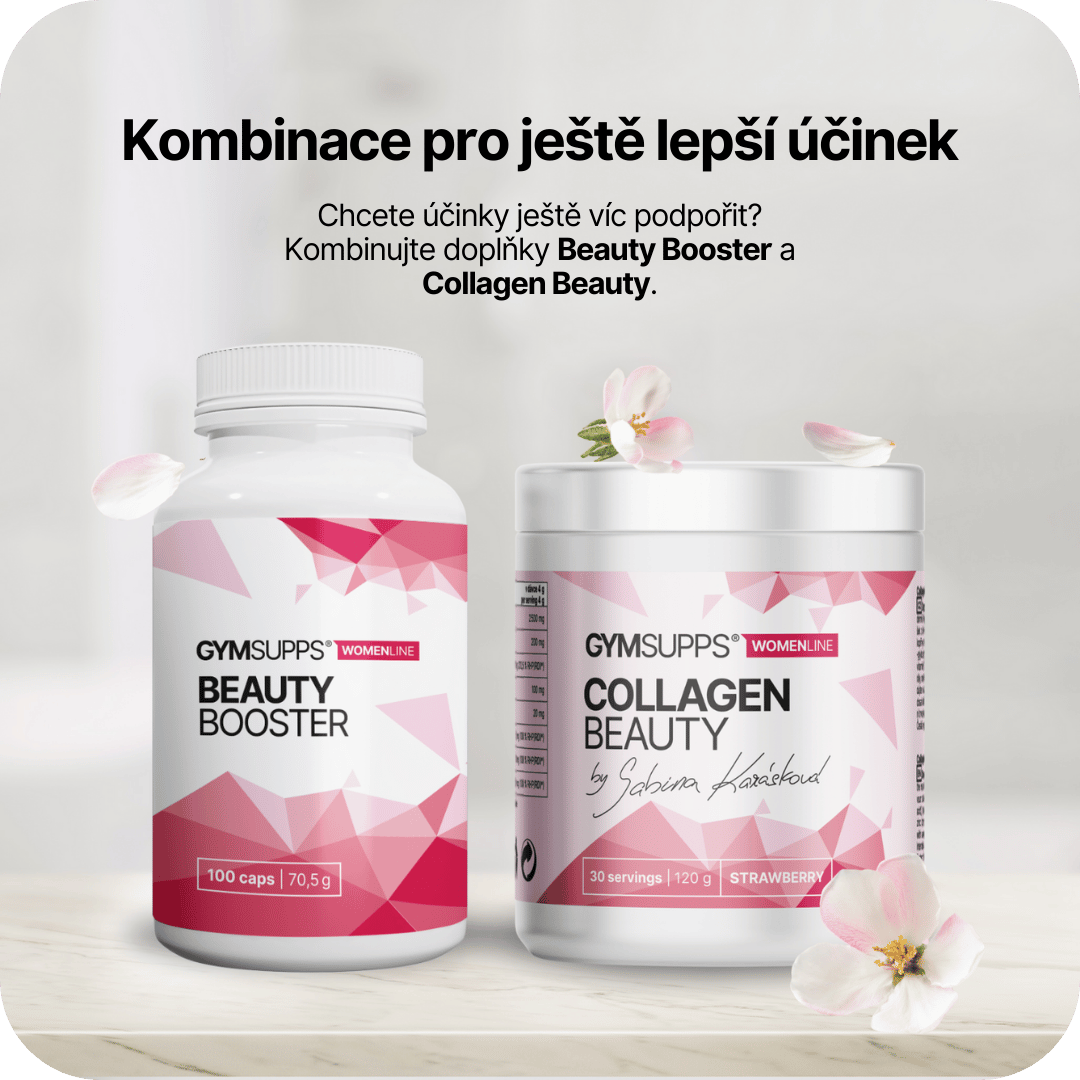
An example of a dietary supplement that reflects the findings on the benefits of collagen for the skin is GymSupps Collagen Beauty by Sabina Karaskova. This product contains hydrolysed type I collagen, which corresponds to the type of collagen whose positive effect on skin hydration and elasticity has been confirmed in a meta-analysis1 and which is the dominant component of the skin, according to the review.2 The presence of other substances, such as hyaluronic acid, further supports the mechanism of action mentioned in the study1, which states that hydrolysed collagen stimulates the production of this key hydrating molecule. Vitamin C, in turn, synergistically supports the body's own collagen synthesis, which is essential for maintaining healthy skin. Choosing such a comprehensive product can thus represent a targeted approach to promoting youthful-looking skin, in line with scientific knowledge about the effects of the individual ingredients.
Recommended
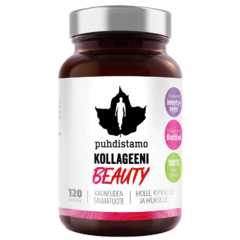
Puhdistamo Collagen Beauty
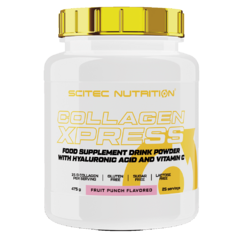
Scitec Collagen Xpress
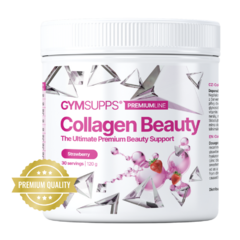
GymSupps Collagen Beauty
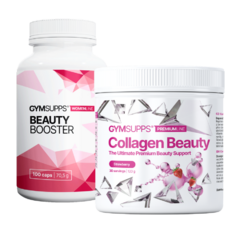
GymSupps Balíček pro krásu
Source:
- 1) de Miranda, R. B., Weimer, P., & Rossi, R. C. (2023). Effects of Oral Collagen for Skin Anti-Aging: A Systematic Review and Meta-Analysis. Nutrients, 15(10), 2259.
- 2) Wang, H. (2021). A Review of the Effects of Collagen Treatment in Clinical Studies. Pharmaceuticals, 14(11), 1118.
No posts have been made yet.








