Side effects and disadvantages of protein
 Author:
 Nowadays, when a healthy lifestyle is becoming a priority for many people, protein supplements and high-protein diets have become a popular tool not only among athletes, but also among the general population. Although protein plays a vital role in building muscle mass, tissue regeneration and maintaining overall health, it is important to be aware of the possible side effects of protein and other disadvantages. This article of ours focuses on the potential health complications associated with excessive protein intake, including symptoms such as nausea and diarrhea after protein.
Article Content:
- Introduction to protein
- Protein sources and their diversity
- Potential side effects of protein supplements
- How to minimize the risks associated with protein intake
- Individual differences and recommendations for specific groups
Introduction to protein
Proteins are the building blocks of our bodies, making up enzymes, hormones and cell structures. Recommended daily intakes vary according to age, gender and physical activity. However, in the context of fitness and bodybuilding, protein intake is often recommended in excess amounts, which can lead to adverse reactions in some individuals.
Protein sources and their diversity
There are many sources of protein, from protein-rich foods such as meat, fish, eggs and dairy products, to protein supplements in powdered or liquid form. Although natural sources usually have fewer risks associated with excessive intake, dietary supplements can be more problematic. Some of these products contain additives, sweeteners or fillers that may contribute to the side effects of protein.

Potential side effects of protein supplements
Digestive upset
One of the most common problems associated with excessive intake of protein supplements is gastrointestinal upset. Studies have reported that some individuals may experience nausea after protein, especially if they are highly concentrated forms of protein or if they are consumed on an empty stomach. Another common symptom is diarrhoea after protein, which can be caused by poor digestion or intolerance to specific ingredients such as lactose found in some whey proteins.
Increased burden on the kidneys
There are studies that suggest that prolonged and excessive protein intake can put a strain on the kidneys. Although healthy individuals do not experience significant problems, those with a predisposition to kidney disease should monitor their protein consumption carefully. The increased burden can potentially lead to a gradual deterioration of kidney function, which is one of the main disadvantages of protein in the long term.
Increased risk of dehydration
Proteins have a diuretic effect, which means that the body's need for water increases as they are metabolized. Athletes or individuals consuming high doses of protein supplements may experience dehydration if fluid is not adequately replenished. This situation can have a negative impact on overall health and athletic performance.
Allergic reactions and intolerances
Some protein products, especially those based on whey or soy protein, may cause allergic reactions in sensitive individuals. Allergies can manifest themselves in a variety of ways, from mild nausea to more severe symptoms, including swelling and difficulty breathing. In this context, it is important to pay attention to possible side effects of proteins that may occur as an individual reaction to the composition of the supplement.

How to minimize the risks associated with protein intake
A balanced diet
The best way to minimise the disadvantages of protein is to ensure a balanced and varied diet. It is recommended to combine natural sources of protein with other macronutrients such as carbohydrates and fats, while ensuring adequate fibre intake. A balanced diet helps maintain optimal digestive function and reduces the risk of digestive problems.
Correct dosage and timing
It is important to adhere to the recommended daily doses of protein, which vary according to individual needs. Excessive intake, especially through supplements, can increase the likelihood of nausea after protein or diarrhea after protein. Consultation with a nutritionist or dietitian can help set the correct dosage based on body weight, physical activity and health status.
Quality and composition of supplements
When choosing protein supplements, it is advisable to give preference to products that are transparent about their composition and come from trusted manufacturers. The fewer additives and artificial ingredients in a product, the lower the risk of adverse side effects. For individuals who are lactose or other ingredient intolerant, alternative protein sources such as vegetable proteins can be chosen.

Hydration and digestive support
Adequate water intake is crucial, especially with increased protein intake. Water helps to optimise metabolic processes and supports proper kidney function. In addition, probiotics and enzyme supplements can aid digestion, reducing the risk of diarrhea after protein.
Individual differences and recommendations for specific groups
The effect of protein on the body can be highly individual. Factors such as age, gender, genetic predisposition and overall health play a role in how the body processes high doses of protein. For example, older people or those with chronic illnesses may be more susceptible to negative effects. For these groups, it is especially important to monitor the side effects of protein and consult a health professional for dietary modifications.
Conclusion
Protein is undoubtedly an essential component of a healthy diet, especially for muscle recovery and promoting overall vitality. However, excessive intake, especially in the form of supplements, can lead to various side effects such as nausea, diarrhea and overall side effects. It is important to ensure a balanced diet, proper dosage and quality protein sources. Scientific studies remind us that an individual approach is the key to optimizing protein intake and minimizing its drawbacks.
For athletes and everyday individuals who want to take advantage of the benefits of protein but want to avoid the potential risks, it is advisable to regularly monitor their body's reactions and, if necessary, consult a dietary change with an expert. This approach will ensure that protein intake is effective and safe, while helping to prevent potential health complications.
Recommended

Czech Virus Pure Elite CFM

Weider High Protein Low Carb
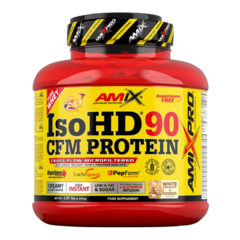
Amix IsoHD 90 CFM Protein

Sources:
- Journal of the International
- Society of Sports Nutrition
- American Journal of Clinical Nutrition Nutrition Reviews
No posts have been made yet.