





How to Metabolism - Part 1
 Author:
 And the frustration deepens when you see someone who doesn't even want to hear about exercise eating fatty food three times a day and not gaining a gram. If you fall into the completely opposite group and get fat even at the single sight of the refrigerator door, you have our sincere condolences. Then we are all in the same boat and you are trying to manage a phenomenon called metabolism. But metabolism is something that distinguishes people from each other, like shoe size or heart rate.
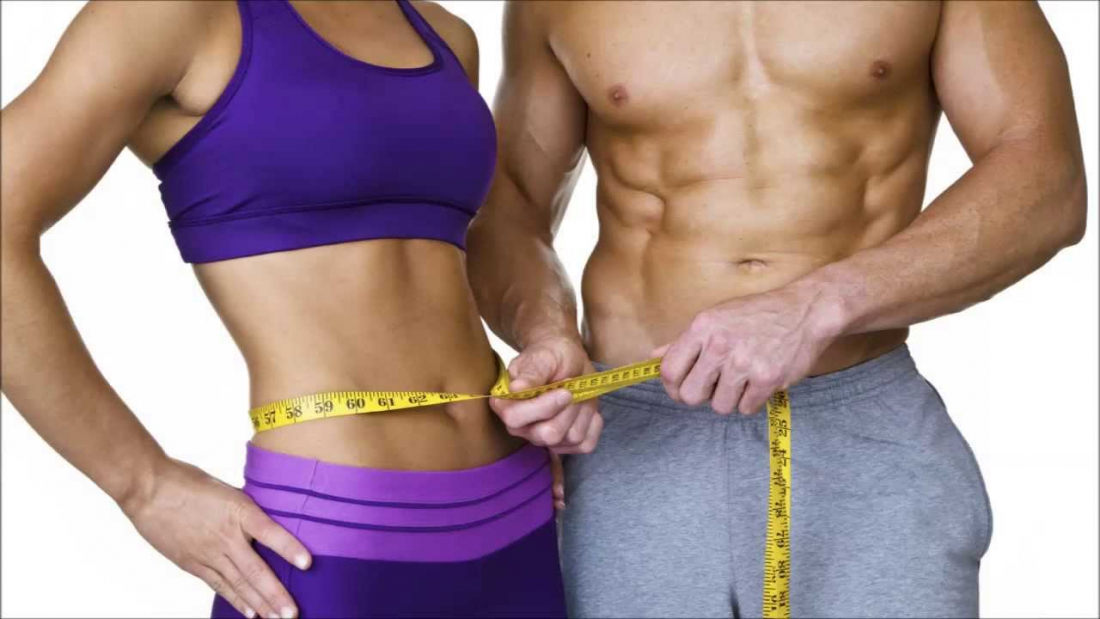 We're all probably clear that metabolism has something to do with fat burning. But many have no idea what its real functions are. Metabolism is a term encompassing the biochemical reactions that take place in our cellular system. Our body uses the basic fuel components we supply it with(carbohydrates, fats, proteins) and breaks them down to produce energy, which is then used for heat production, muscle movement, breathing and all other even the most minute activities such as blinking. Such fuel is either used on the spot or stored in fat cells for the worst of times. How much fuel we use immediately depends on activity, but also on the extent of basal metabolic rate (BMR). Basal metabolic rate expresses how much energy the body needs to survive assuming no activity. Each of us must fill our BMR daily in order to live. That being said, the value of BMR varies from person to person. You may have a BMR of 1450 calories and constantly struggle with some extra pounds, while your friend has a BMR of 1650 and has never had to worry about weight. His body, after all, burns a full 200 calories more per day all by itself.
If you're already mad at yourself because it seems like your metabolism is dragging like a snail, it's time to put up a fight. The more muscle you have, the higher your BMR will be. It is therefore possible to force your body to work regarding its metabolic processes faster, which will eventually make you burn excess fat reserves. But building muscle mass is not the only way to control your metabolism. Fitness competitors have long known that metabolism can be stimulated in several ways. We therefore offer you some tips,how to boost fat burning.
Exercise
It probably won't surprise anyone too much that physical activity is one of the best ways to get a lazy metabolism moving and get it working at a higher speed. Exercise supports metabolic processes in several ways. Clearly, it stimulates the secretion of a chemical - a neurotransmitter called norepinephrine - that promotes the elimination of fat from fat cells (a process called lipolysis). Secondly, exercise stimulates the secretion of various hormones, such as testosterone growth hormone, which triggers fat burning. These hormones make you burn fat for several hours after your workout. Finally, especially weight training, together with appropriate diet and rest, you stimulate muscle growth. This brings us to the fact that more muscle mass means a faster metabolism. Muscles are in fact a kind of metabolic furnace of our body. The more muscle mass you have, the higher your BMR. And the more active your muscles are, the more fat you burn. One kilogram of active muscle mass breaks down its activity almost 100 calories a day.
To increase muscle mass, it's important to get your muscles pumping during your workouts. To boost metabolism, anaerobic training(weight training) lasting 30-45 minutes is best, followed by high intensity but short(less than 20 minutes) aerobic training,such as alternating brisk walking and sprints. Many people don't believe that fat burning is only associated with long and demanding aerobic workouts. Aerobic activities are undoubtedly an important part of your exercise program, but even here, more is not necessarily better. Excessive aerobic training can also have a negative impact on your metabolism. It leads to muscle breakdown and overtraining. And the last thing you need,is to reduce the amount of muscle in your body. This can only make your metabolism suffer.
If you want to increase your calorie intake and still burn fat. Start strengthening, especially the large muscle groups like legs and glutes. You will burn more calories this way and if you exercise properly, just by loading the large muscle groups you will achieve a higher stimulation of growth hormone and testosterone secretion. The increased activity of these anabolic hormones will speed up your metabolism for several hours after you finish your workout.
In the next part we will focus on diet and its effect onmetabolism.
No posts have been made yet.








