How to home kicker
 Author:
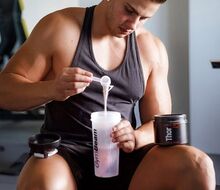
 Want to get the absolute most out of every workout? Push your limits, lift more and last longer? That's what the "kickers" promise, which have become almost a ritual before entering the gym. But the colourful jars on the shelves are often expensive lottery bets. They hide opaque mixtures, unnecessary fillers and active ingredients in doses that tickle your performance rather than really kick it up a notch. It's time to stop paying for marketing and start investing in real performance. This guide will show you how to build your own, incomparably more effective and cheaper pre-workout formula. Gain full control over what you're putting into your body and finally experience the effect you're paying for.
Key ergogenic ingredients
The foundation of an effective supplement is a combination of substances with proven effects on athletic performance.
Caffeine
Caffeine is the most widely used and best-studied central nervous system (CNS) stimulant. Its primary mechanism of action is to antagonize adenosine receptors, thereby blocking fatigue signals and increasing alertness.
- Effects on performance: meta-analyses confirm its positive effects on muscle strength, endurance, sprint performance and reduction of perceived exertion during exercise.1
- Recommended Dosage: A dose in the range of 3-6 mg per kilogram of body weight, taken approximately 30-60 minutes before exercise, is considered effective. To minimize the risk of side effects, it is recommended to start with a lower dose (e.g., 1.5-2 mg/kg).
- Safety Profile: Adverse effects such as anxiety, palpitations or gastrointestinal distress may occur in sensitive individuals or at excessive doses. Long-term use leads to the development of tolerance.
L-Citrulline/Citrulline Malate
L-citrulline is an amino acid that serves in the body as a precursor to L-arginine and thus nitric oxide (NO) synthesis. Nitric oxide acts as a vasodilator, a substance that dilates blood vessels. This increases the flow of blood, oxygen and nutrients to working muscles, a phenomenon known as "muscle pumping".
- Effect on performance: studies have shown that L-citrulline supplementation improves endurance performance, reduces post-exercise muscle soreness (DOMS) and increases resistance to fatigue.2
- Recommended Dosage: The clinically effective dose for pure L-Citrulline is 6-8 grams. For Citrulline Malate (a combination of citrulline and malic acid), 8-10 grams is recommended to achieve the same effect.3
- Safety profile: the substance is considered very safe with minimal side effects.
Recommended
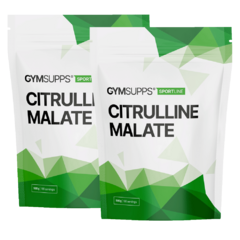
Citrulline Malate 500g 1+1
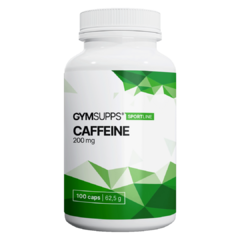
GymSupps Caffeine
Caffeine 100cps 1+1
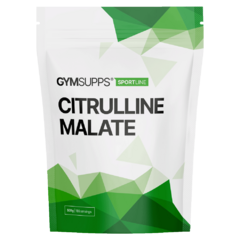
GymSupps Citrulline Malate
Beta-Alanine
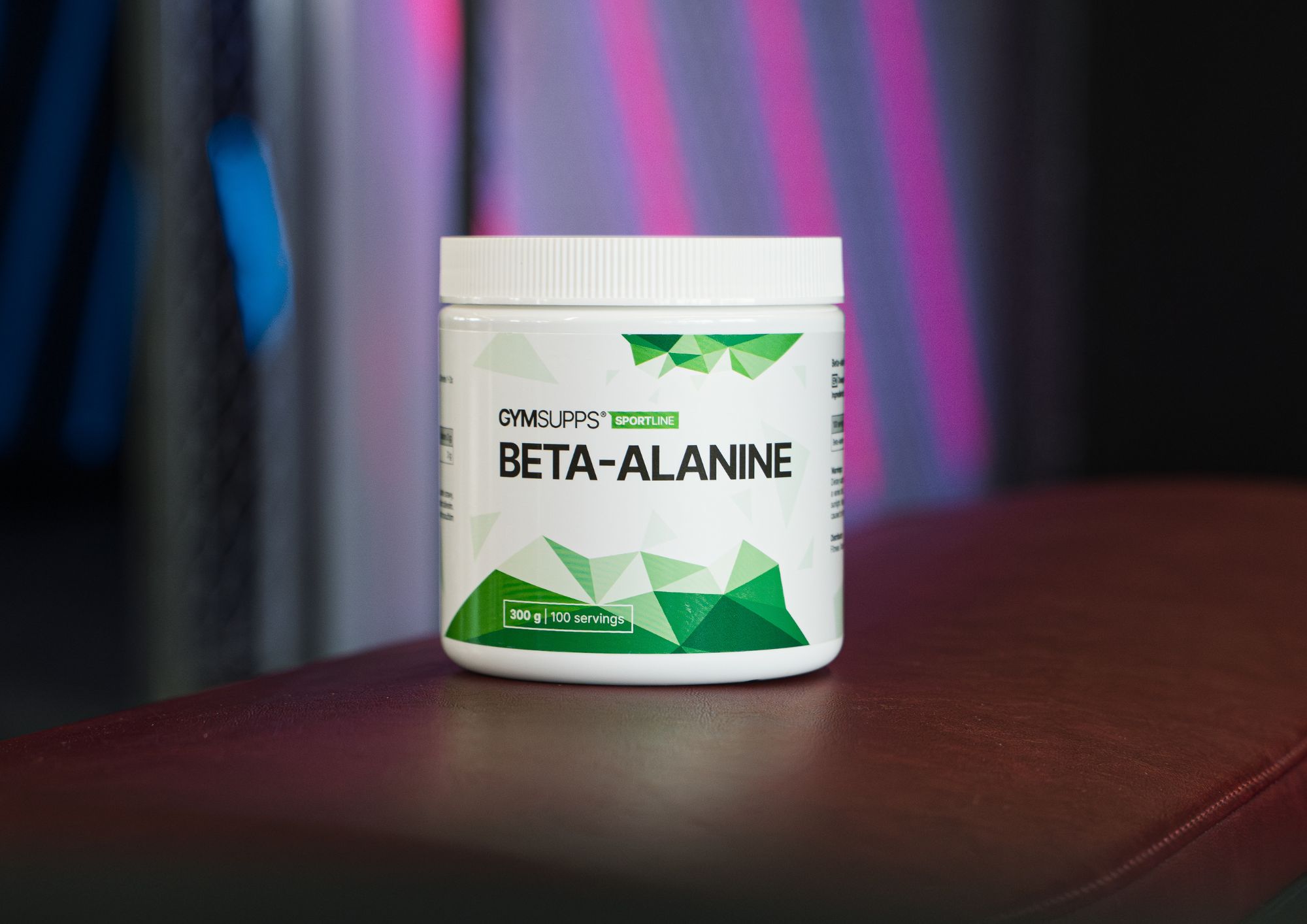
This non-essential amino acid is the limiting factor for carnosine synthesis in muscle tissue. Carnosine acts as an intracellular buffer that regulates pH by neutralizing hydrogen ions (H+) that accumulate during high-intensity exercise.
- Effect on performance: supplementation with beta-alanine has been shown to increase muscular endurance, especially for exercises lasting between 60-240 seconds. It allows the athlete to perform more work before reaching muscle failure.4
- Recommended Dosage: The standard daily dose is between 3.2 and 6.4 grams. The effect is cumulative and requires several weeks of supplementation to saturate the muscles with carnosine.
- Safety Profile: A characteristic but harmless side effect is paresthesia (tingling of the skin). This can be avoided by dividing the daily dose into several smaller portions.
Creatine Monohydrate
Creatine is one of the most validated ergogenic substances. Its supplementation increases intramuscular stores of phosphocreatine, which serves as a rapid energy source for ATP (adenosine triphosphate) recovery during short, explosive bouts of exercise.
- Creatine significantly increases maximal strength, performance during repeated high-intensity intervals, and promotes muscle mass gain.5
- Recommended Dosage: A daily dose of 3-5 grams is sufficient to maintain increased stores. As with beta-alanine, its inclusion in a pre-workout drink is a practical rather than a functional matter; regularity of use is key.
- Safety Profile: This is an extremely safe supplement with minimal side effects, the most common being mild water retention in the initial stages of use.
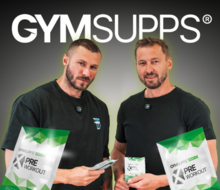
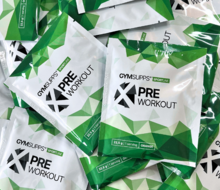
Xpre-Workout by GymSupps | One for maximum energy and pump
The ideal all-rounder ("The All-Rounder")
L-Citrulline Malate (8 g):
This dose is scientifically backed for maximum nitric oxide (NO) production. The result is a significant dilation of blood vessels, which brings more oxygen and nutrients to the muscles. You will feel a better "pump", but most importantly you will delay fatigue and improve recovery between sets.
Beta-Alanine (5 g):
While citrulline delays fatigue at the blood flow level, beta-alanine works directly in the muscle. A 4 g dose effectively increases carnosine levels, which combats muscle "burning" at higher repetitions. This will allow you to do 1-2 extra reps in a set, which is crucial for muscle growth. (Count on the typical, harmless skin tingling.)
Creatine Monohydrate (5 g):
The most researched supplement for strength. Its inclusion in the kicker is mostly practical - you're guaranteed to take your daily 5 g dose every training day. Creatine will help you get stronger and improve explosive performance in the long term.
Caffeine Anhydrous (200 mg):
A 200 mg dose is the golden mean. It's strong enough to provide a noticeable increase in energy, focus, and reduce perception of exertion, but for most people it's still not high enough to cause jitters. It is equivalent to about two strong cups of coffee.
Conclusion
The rational formulation of a custom pre-workout supplement represents an effective and transparent approach to sports nutrition. By utilizing scientifically proven substances in clinically relevant doses, an individual can formulate a product that is not only more effective, but also significantly more economical than most commercial alternatives. The key to success and safety, however, is awareness, accurate dosing, gradual testing of individual tolerance, and the understanding that dietary supplements are only a supplement, not a replacement, for quality training, nutrition, and recovery.
Recommended
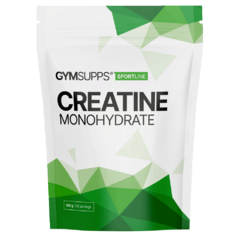
GymSupps Creatine Monohydrate
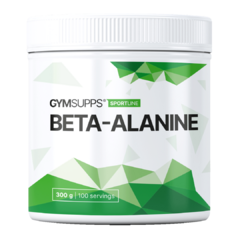
GymSupps Beta Alanine
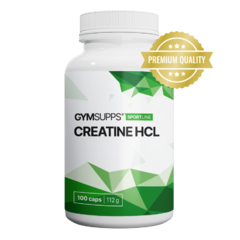
GymSupps Creatine HCL
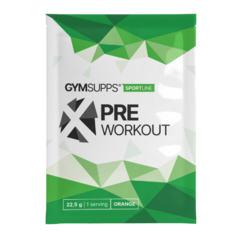
GymSupps XPre Workout
Sources:
- 1),Guest, N. S., VanDusseldorp, T. A., Nelson, M. T., et al. (2021). international society of sports nutrition position stand: caffeine and exercise performance. Journal of the International Society of Sports Nutrition, 18(1), 1.
- 2),Gonzalez, A. M., & Trexler, E. T. (2020).Effects of Citrulline Supplementation on Exercise Performance in Humans: A Review of the Current Literature. The Journal of Strength & Conditioning Research, 34(5), 1480-1495.
- 3) Pérez-Guisado, J., & Jakeman, P. M. (2010). citrulline malate enhances athletic anaerobic performance and relieves muscle soreness. The Journal of Strength & Conditioning Research, 24(5), 1215-1222.
- 4) Trexler, E. T., Smith-Ryan, A. E., Stout, J. R., et al. (2015). international society of sports nutrition position stand: beta-Alanine. Journal of the International Society of Sports Nutrition, 12(1), 30.
- 5) Kreider, R. B., Kalman, D. S., Antonio, J., et al. (2017). International Society of Sports Nutrition position stand: safety and efficacy of creatine supplementation in exercise, sport, and medicine. Journal of the International Society of Sports Nutrition, 14(1), 18.
- 6) Kurtz, J. A., VanDusseldorp, T. A., Doyle, J. A., & Otis, J. S. (2021). Taurine in sports and exercise. Journal of the International Society of Sports Nutrition, 18(1), 39.
No posts have been made yet.