How to choose the right peanut butter
 Author:
 Peanut butter is one of the favourite foods of many people around the world, not only for its distinctive taste but also for its nutritional value. In the context of fitness and a healthy lifestyle, peanut butter has an interesting place as it offers a number of benefits, but also a few aspects that consumers should look out for.
Article content:
- Nutritional values and benefits of peanut butter
- What to look out for when choosing peanut butter
- Conclusion
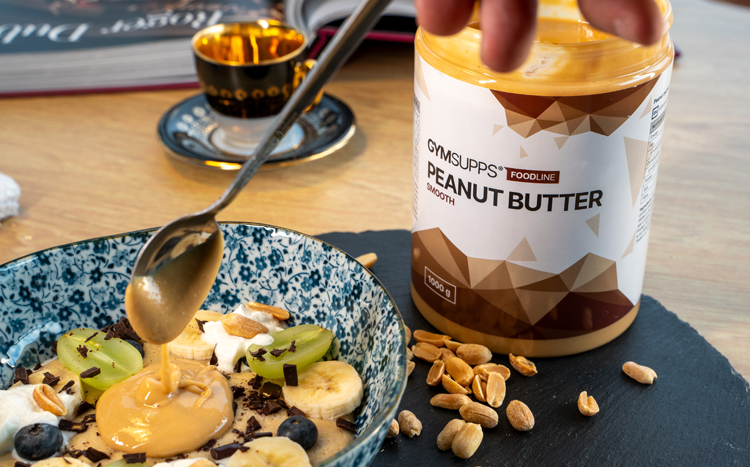
Nutritional values and benefits of peanut butter
Peanut butter is a rich source of plant-based protein, which is very valuable for people who are trying to increase their protein intake, whether to promote muscle growth or as part of a weight loss diet. One serving (approximately two tablespoons) contains about 8 grams of protein. In addition, peanut butter is rich in healthy fats, especially monounsaturated and polyunsaturated fatty acids, which help maintain healthy blood cholesterol levels. Peanut butter also contains B vitamins, vitamin E, magnesium and antioxidants, which play an important role in overall health and help prevent chronic diseases. Due to its high fiber content, it also promotes healthy digestion and can help in regulating blood sugar levels.
For those trying to live a healthy lifestyle and maintain physical fitness, peanut butter is a great addition to the diet. It can be used on whole wheat toast, added to smoothies for a protein boost, or combined with fruit as a healthy post-workout snack. For those who are conscious of calorie intake, it is advisable to choose variants without added sugars and low in sodium. This makes peanut butter an excellent, versatile and nutritionally rich part of a healthy diet that can support the fitness goals of individuals on the road to better health and fitness.
When peanut butter is too much
Although peanut butter offers many health benefits, it is important to consume it in moderation. This is because it is very caloric, which can be a problem for some individuals who are watching their energy intake. In addition, some commercially sold peanut butter may contain added sugar, salt or other undesirable ingredients that can affect its health benefits, so it is important to choose carefully.
What to look out for when choosing peanut butter
A basic rule of thumb when choosing a quality peanut butter should be to check the ingredient list. An ideal peanut butter should contain no more than one or two ingredients - peanuts and possibly a small amount of salt. The shorter the list, the better. Nutritionists point out that added sugars and oils, such as palm oil, reduce nutritional value and can add unnecessary calories and unhealthy fats.
Palm oil as a hidden enemy
Palm oil is often added to peanut butter for the reason that it improves consistency and extends shelf life. However, this oil can not only have a negative impact on health, but its production is also linked to ethical and environmental problems, including deforestation. A healthier alternative is therefore palm oil-free products that promote more sustainable consumption.
From a health perspective, although palm oil itself contains a mixture of saturated and unsaturated fats and can be part of a balanced diet in moderation, its high saturated fat content can contribute to increased blood cholesterol levels, a risk factor for heart disease. Finally, while many peanut butter manufacturers around the world are moving to use more sustainable ingredients, including certified palm oil or other oils, the transparency of these practices can still be unclear, making it difficult for consumers to identify products that are truly environmentally and human rights friendly.
Unnecessarily added sugar
Added sugar in foods, including peanut butter, is often criticised for its negative health impacts. Increased sugar intake has been linked to various health problems such as obesity, type 2 diabetes, cardiovascular disease and tooth decay. Thus, peanut butter with added sugar may contribute to increased daily sugar intake, which is particularly problematic for individuals trying to lose weight.
Peanut butter manufacturers often add sugar to improve the taste of the product and increase its appeal, especially to child consumers. The product may thus be presented as healthy when in fact it may contain significant amounts of sugar. In this context, it is important that consumers read nutrition labels carefully and look for products that are low in added sugars or are completely free of added sugars.
Our recommended peanut butters:
Recommended
GymSupps Peanut Butter
Health risks of added salt
Adding salt to peanut butter is a common practice that improves the taste of the product and promotes preservation. However, as with added sugar, there are health risks and issues that are causing debate among consumers and nutritionists.
Salt, also known as sodium, is essential for the normal functioning of the body, but excessive consumption has been linked to a number of health problems. Among the most serious are high blood pressure (hypertension), which can lead to other complications such as heart disease, stroke and kidney problems. The added salt in peanut butter can unknowingly increase your daily sodium intake, especially when consumed in large quantities.
It is crucial for consumers to read the nutrition labels on peanut butter packages to determine the amount of added salt. Manufacturers may offer "low-sodium" or "no-salt-added" versions that are more appropriate for people watching their sodium intake. Consumers who want to limit their salt intake should look for products with lower salt content and compare different brands and types.
Conclusion
Choosing peanut butter without added sugars and palm oil is an important step towards better health and a more environmentally friendly approach. Peanut butter that avoids these unwanted additives not only benefits our physical health, but also supports ethical farming practices and conservation.
Although the price of such butter may be higher compared to traditional options that may contain less healthy ingredients, this investment in our health and the sustainability of our planet is very important. When purchasing different types of peanut butter, we should keep these important criteria in mind. Choose a product that not only benefits your health, but is also made with ethics and the environment in mind.

No posts have been made yet.