How and when to take lecithin correctly
 Author:
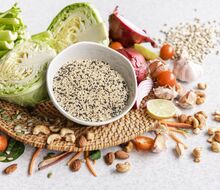
 Nowadays, when more and more people are interested in their health and are looking for ways to actively support it, substances that are natural for our body and at the same time offer a wide range of benefits are coming to the fore. One such substance is lecithin. Although its name may sound technical, it is a key component present in every cell of our body. It is not just another dietary supplement, but a basic building block of life.
Article Content:
- What is lecithin and why is it indispensable for the body?
- Where can we find lecithin?
- The scientifically based effects of lecithin: What do the studies say?
- How and when to take lecithin correctly: a practical guide
- Safety and possible side effects
What is lecithin and why is it indispensable for the body?
Lecithin is not one specific molecule, but a mixture of fats called phospholipids. The most important of these is phosphatidylcholine, which is a rich source of choline - a substance essential for the proper functioning of the brain and nervous system.
Think of the cells in your body as little houses. Every house needs strong yet flexible walls that protect the inside while allowing nutrients to pass in and waste to pass out in a controlled manner. Lecithin fills exactly this role. It forms the basis of cell membranes and ensures their proper permeability and integrity. Without lecithin, our cells could not function, communicate or protect themselves.
In addition to this building function, lecithin acts as a natural emulsifier in the body. This means it can mix fat with water. This ability is crucial for the metabolism of fats and cholesterol, their transport in the blood and their efficient processing in the liver.
.jpg)
Where can we find lecithin?
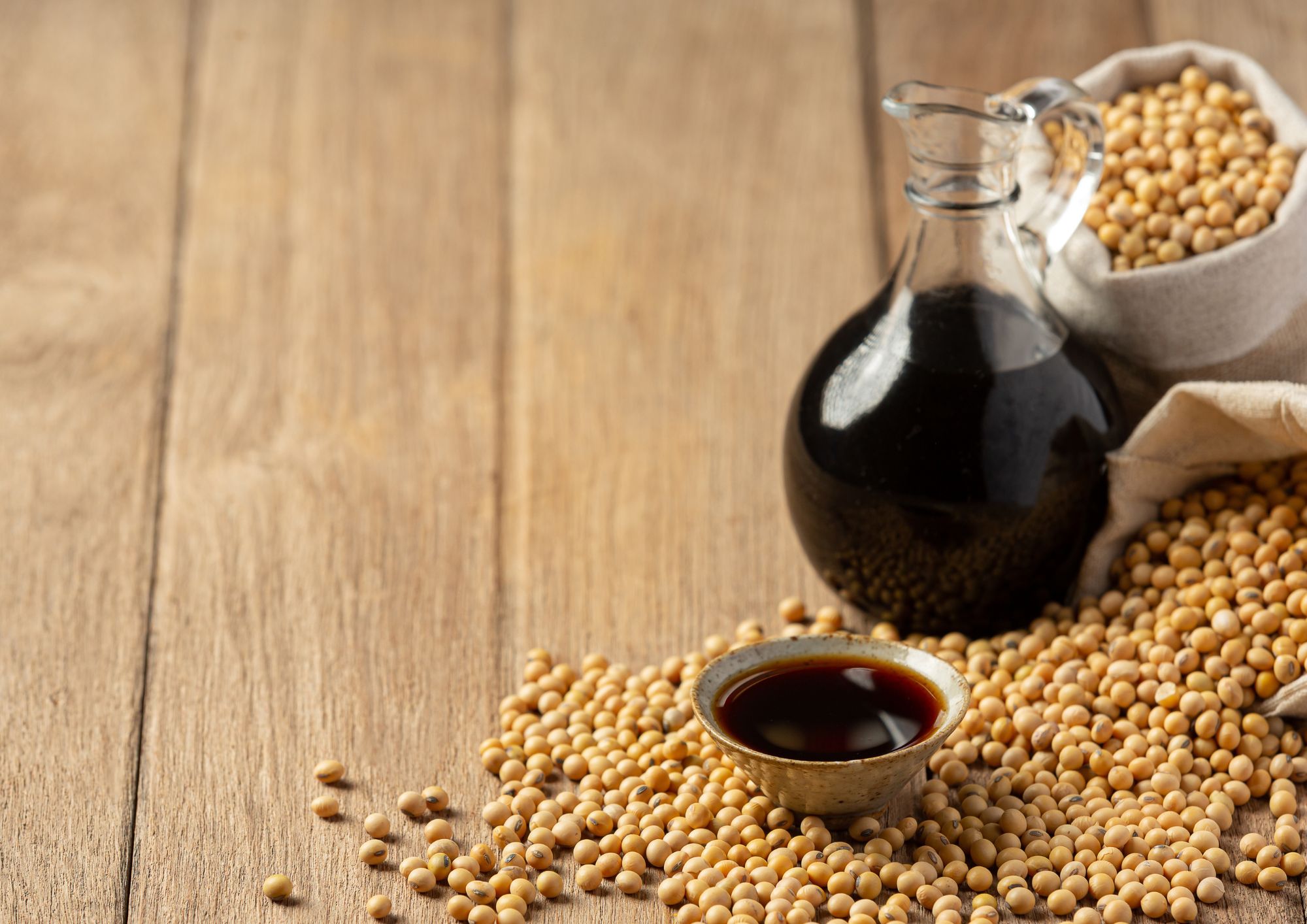
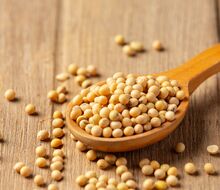
- In food: It is commonly found in egg yolks, soybeans, sunflower seeds, liver, peanuts or wheat germ.
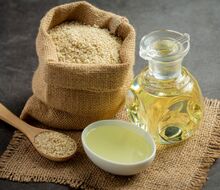
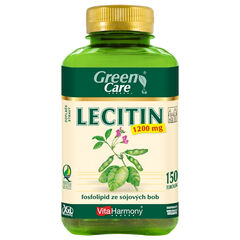
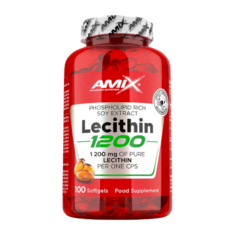
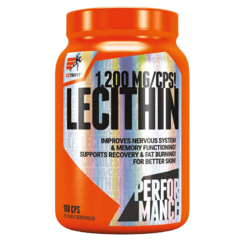
- As a dietary supplement: It is most commonly obtained from soybeans or sunflower seeds and is available in granules, powder or gel capsules.
Scientifically supported effects of lecithin: What do the studies say?
The popularity of lecithin is not just based on conjecture. There are a number of scientific studies that have investigated its effect on human health. Let's take a look at the most important areas that have been supported by research.
1. Cardiovascular support and cholesterol metabolism
One of the best-studied properties of lecithin is its positive effect on cholesterol levels. Thanks to its emulsifying ability, it helps to 'dissolve' fats and cholesterol in the bloodstream, preventing them from depositing on the walls of blood vessels.
-
Scientific evidence: Comprehensive review studies and specific clinical trials have confirmed that regular use of soya lecithin can lead to a reduction in total cholesterol and especially 'bad' LDL cholesterol. It has also been observed that lecithin can promote the production of 'good' HDL cholesterol, which helps to clean blood vessels. The mechanism is to improve the transport and metabolism of fats in the body, which relieves the liver and the entire circulatory system.
2. Health of the digestive tract and protection of the intestinal mucosa
The intestines are protected by a thin layer of mucus that acts as a barrier against bacteria and toxins. In some inflammatory diseases, such as ulcerative colitis, this barrier is disrupted. This is where lecithin shows great potential.
-
Scientific evidence: A meta-analysis of several clinical trials published in PubMed showed that a special sustained-release form of lecithin (enriched with phosphatidylcholine) significantly improved the condition of patients with ulcerative colitis. Lecithin helped restore the protective mucus layer of the intestine, leading to a reduction in inflammation and improvement in clinical symptoms. This suggests that lecithin may play a key role in maintaining the integrity of the intestinal barrier.
3. Brain and Cognitive Function: Food for Neurons
Lecithin is often referred to as "food for the brain". This is due to its high choline content. Choline is a precursor for the synthesis of acetylcholine - one of the most important neurotransmitters responsible for memory, learning and concentration.
-
Scientific evidence: the theoretical premise is strong, which is why lecithin has become the subject of research in relation to dementia and cognitive disorders. However, it is important to be transparent. A large and respected meta-analysis by the Cochrane Collaboration concluded that the existing evidence for treating pre-existing dementia with lecithin is inconclusive. However, this does not mean that it is useless for the brain. Ensuring an adequate supply of choline through lecithin is still considered key to maintaining a healthy nervous system and providing the necessary building blocks for optimal brain function.
How and when to take lecithin correctly: a practical guide
In order for the body to make the best use of lecithin, it is important to pay attention to the correct dosage, form and timing.
Dosage. However, it is commonly recommended:
- Capsules: The usual dose is 1200 mg to 2400 mg per day, divided into one or two doses.
- Granular lecithin: One to two tablespoons per day (about 10-20 grams).
Recommendation: always start with a lower dose and watch how your body responds. If you have health problems, especially with your liver or cholesterol, consult your doctor or pharmacist about dosage.
Form of use:
- Granules/Powder: These are ideal for adding to meals. You can easily mix them into yogurt, smoothies, protein drinks, oatmeal or salad dressing. They have a mild, slightly nutty flavor.
- Capsules: They offer convenience and precise dosing without any taste. They are ideal for those who are on the go or prefer quick and easy use.
Timing.
The most important rule for taking lecithin is to consume it with food. The reason is simple:
- Lecithin is a fatty substance. When you take it with a meal that also contains fat, your body activates the production of bile and enzymes needed to digest the fat, which will greatly improve the absorption of lecithin itself.
- Immediate function: its emulsifying abilities are best displayed when it is present in the digestive tract along with other dietary fats. It helps to process and distribute them more efficiently.
Safety and possible side effects
Lecithin is considered a very safe substance (it has GRAS status - Generally Recognized as Safe). When the recommended dosage is followed, side effects are rare. At extremely high doses, nausea, bloating or diarrhoea may occur.
The only major point to consider is the source of lecithin. Soy lecithin is the most common, but soy is a known allergen. If you have a soy allergy, always choose sunflower lecithin, which is hypoallergenic and offers the same benefits.
Conclusion.
Lecithin is much more than just an emulsifier in chocolate. It's a fundamental nutrient that supports health from the cellular level to complex systems like the brain and heart.
Based on scientific evidence, supplementing it can be particularly beneficial for:
- People with elevated cholesterol levels who are looking for natural support for their cardiovascular system.
- Individuals with certain types of inflammatory bowel disease, such as ulcerative colitis, in consultation with a physician.
- All who want to support the health of their cells and ensure adequate choline supply for normal brain and liver function.
Remember that dietary supplements are part of an overall healthy lifestyle mosaic that includes a balanced diet and regular exercise. Lecithin can be your valuable ally on the road to better health if you use it in an informed and proper way.
Recommended
Sources:
- Lecithin and its impact on cardiovascular health: A comprehensive review. PubMed, 2024.
- Higgins, JPT & Flicker, L. Lecithin for dementia and cognitive impairment. Cochrane Database of Systematic Reviews, 2003.
- Stremmel, W. et al. Efficacy of enteric-coated phosphatidylcholine in ulcerative colitis: A meta-analysis. PubMed, 2022.
- Wojcicki, J. et al. The effect of soy lecithin on hypercholesterolemia. Clinical and Experimental Pharmacology & Physiology, 1995.
- Lecithins: A comprehensive review of their properties and applications in microemulsion formulation. PubMed, 2022.
No posts have been made yet.