Forms of vitamin D and everything about them
 Author:
 For active people, athletes and anyone trying to optimize their health and performance, vitamin D is much more than just a nutrient. Rather, it's a complex hormone with an impact on dozens of bodily processes, from immunity to muscle function to mental well-being and chronic disease prevention. That's why in this article we'll delve into the world of vitamin D, explore its various forms, explain where we get it from, and detail how it works in our bodies and why it's absolutely indispensable for you, the athlete. Prepare yourself for the fact that after reading this text you will never look at "dee" as a B player again!
Content of the article:
- Forms of vitamin D
- Sources of vitamin D
- Functions of vitamin D
- Deficiencies and optimal levels
- Vitamin D supplementation
Forms of vitamin D: More than just D and D3 - A complex network for maximum effect
When we talk about vitamin D, we usually think of two main forms: vitamin D2 and vitamin D3. However, it is important to understand that these are only the starting points of a complex metabolic chain that leads to its actual biological activity in the body.
Vitamin D2 (Ergocalciferol)
This form is predominantly of plant origin and is found, for example, in some mushrooms exposed to UV light. While it is useful to the human body, it is thought to be less effective in raising and maintaining blood levels of vitamin D than its D3 counterpart.
Vitamin D3 (Cholecalciferol)
This is the form that our body primarily produces itself, in the skin, when exposed to ultraviolet B (UVB) radiation from the sun. It is also present in foods of animal origin, such as oily fish, and is most commonly used in dietary supplements. Vitamin D3 is generally considered a more effective form for increasing vitamin D levels in the body.1

Pathway to active forms:
Once vitamin D (whether D2 or D3) enters the body, its pathway to biological activity begins. Both forms, D2 and D3, are metabolized in the liver by the enzyme 25-hydroxylase to 25-hydroxyvitamin D, also known as calcidiol (25(OH)D).6 This form is the main circulating form of vitamin D in the blood and is considered the best indicator of vitamin D status in the body. It is also the form that your doctor measures when he or she determines your "d" levels.
The next step to activation takes place mainly in the kidneys, where the enzyme 1-alpha-hydroxylase (CYP27B1) converts 25(OH)D into 1,25-dihydroxyvitamin D, known as calcitriol (1,25(OH)2D).6 This form is the most biologically active and acts as a steroid hormone that regulates the expression of thousands of genes in almost every cell and tissue in the body.6 The production of 1,25(OH)2D is tightly regulated by hormones such as parathyroid hormone (PTH), fibroblast growth factor 23 (FGF23), calcium, and phosphorus, which ensures that calcium and phosphorus homeostasis are maintained in the body.6
Vitamin D1 and D4: Lesser known but interesting forms
In addition to the most well-known forms of vitamin D2 (ergocalciferol) and D3 (cholecalciferol), there are other compounds that have historically been referred to as forms of vitamin D or that occur naturally in smaller amounts. Examples include vitamin D1 and vitamin D4.
Vitamin D1 is the historical name for the mixture of ergocalciferol (D2) with lumisterol, an isomer of vitamin D. In the past, it was considered a separate form of vitamin D, but it was later found to be an impure mixture and vitamin D1 itself does not exist as such. Therefore, this term is no longer used in modern biochemistry and nutrition.
Vitamin D4 (22-dihydroergocalciferol) is a naturally occurring form of vitamin D that is found, for example, in some mushrooms and plants. Like D2 and D3, D4 undergoes metabolic conversion in the body to become activated. Although it has biological activity, its importance for human health and nutrition is much less compared to D2 and D3 and has not been the subject of such intensive research or supplementation.
Newer findings and other forms
Research on vitamin D is ongoing and revealing more nuances. For example, studies show that even 25(OH)D3 (the form produced in the liver) contributes significantly to total dietary vitamin D intake.4 In addition, there are "non-canonical" forms and metabolites of vitamin D that are being investigated for their potential role in various pathological processes, such as skin cancer prevention.3 These forms and their derivatives may have photoprotective functions in the skin, including regulation of keratinocyte proliferation and differentiation, induction of antioxidant responses, and inhibition of DNA damage.3

Sources of vitamin D: Sun, diet and supplements - All roads lead to health
Getting enough vitamin D is a complex matter that relies on three main pillars: sunlight, diet and supplements.
Sunlight: nature's vitamin D factory
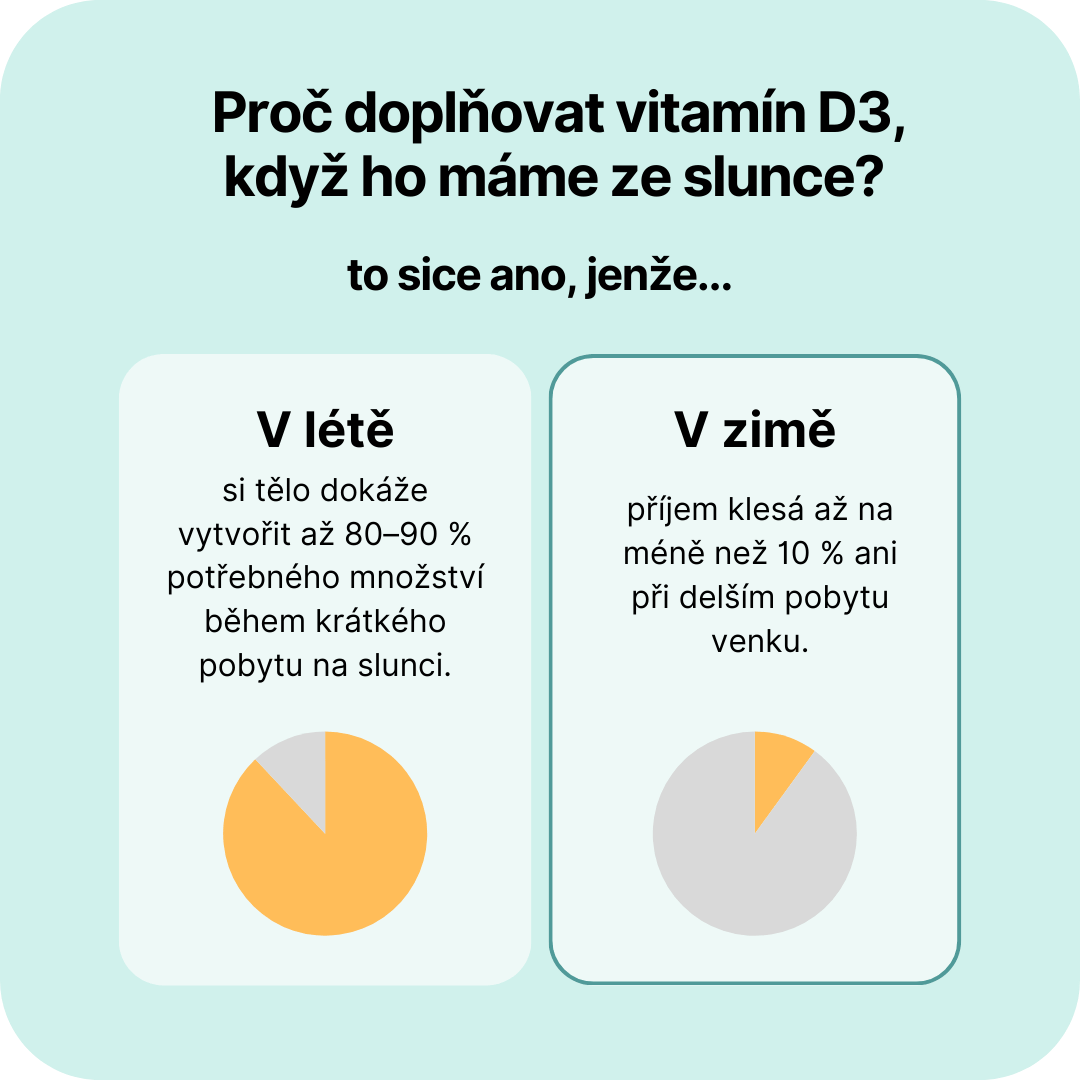
The largest and most effective source of vitamin D for most people is sunlight.5 When ultraviolet B (UVB) rays hit the skin, vitamin D3 is synthesized from the precursor 7-dehydrocholesterol.1,6 The rate and amount of vitamin D3 production in the skin is influenced by several factors, including season, latitude, time of day, cloud cover, air pollution, melanin content of the skin (darker skin produces less vitamin D), and sunscreen use. In the Czech Republic, for example, optimal synthesis of vitamin D from the sun is possible mainly only in the spring and summer months. However, prolonged sun exposure does not lead to toxic levels of vitamin D because excess pre-vitamin D3 is converted to inactive by-products.6
Food sources: a limited but important contribution
Although sunlight is the primary source, some foods naturally contain or are fortified with vitamin D.
- Salmon, mackerel, tuna, and sardines are some of the best natural sources of vitamin D3. For example, 100 g of salmon can contain 5-25 µg (200-1000 IU) of vitamin D.5
- Mushrooms: Some types of mushrooms, especially those exposed to UV light, may contain vitamin D2. For example, shiitake mushrooms may contain 21.1-58.7 µg/100g.5
- Fortified foods: In many countries, common foods such as milk, yoghurt, vegetable drinks, breakfast cereals and juices are fortified with vitamin D. However, in Europe, vitamin D fortification of foods is still relatively rare.4
- Other sources: vitamin D is also found in smaller amounts in cheese, beef liver and egg yolks (about 1.3-2.9 µg/100g).5
Due to the limited amount of vitamin D in the natural diet, many people find it difficult to achieve the recommended intake through diet alone.5
Dietary supplements: essential support for optimal levels
For those who do not get enough sun exposure or whose diet does not provide enough vitamin D, dietary supplements are crucial to maintaining optimal levels. Vitamin D is available in D2 and D3 forms, with vitamin D3 (cholecalciferol) being preferred because it has been shown to increase blood levels more effectively.1 Dietary supplements are especially recommended for at-risk groups such as athletes, older adults, people with dark skin, and those who live in areas with limited sunlight.5
Functions of vitamin D: Why it is indispensable for athletes
The active form of vitamin D, 1,25(OH)2D, acts as a hormone in the body that binds to specific vitamin D receptors (VDRs) present in almost all cell types.6 This wide distribution of VDRs explains why vitamin D has such extensive and crucial functions, far beyond its known role in bone. For athletes and active individuals, these functions are particularly important:
1. Bone health and injury prevention
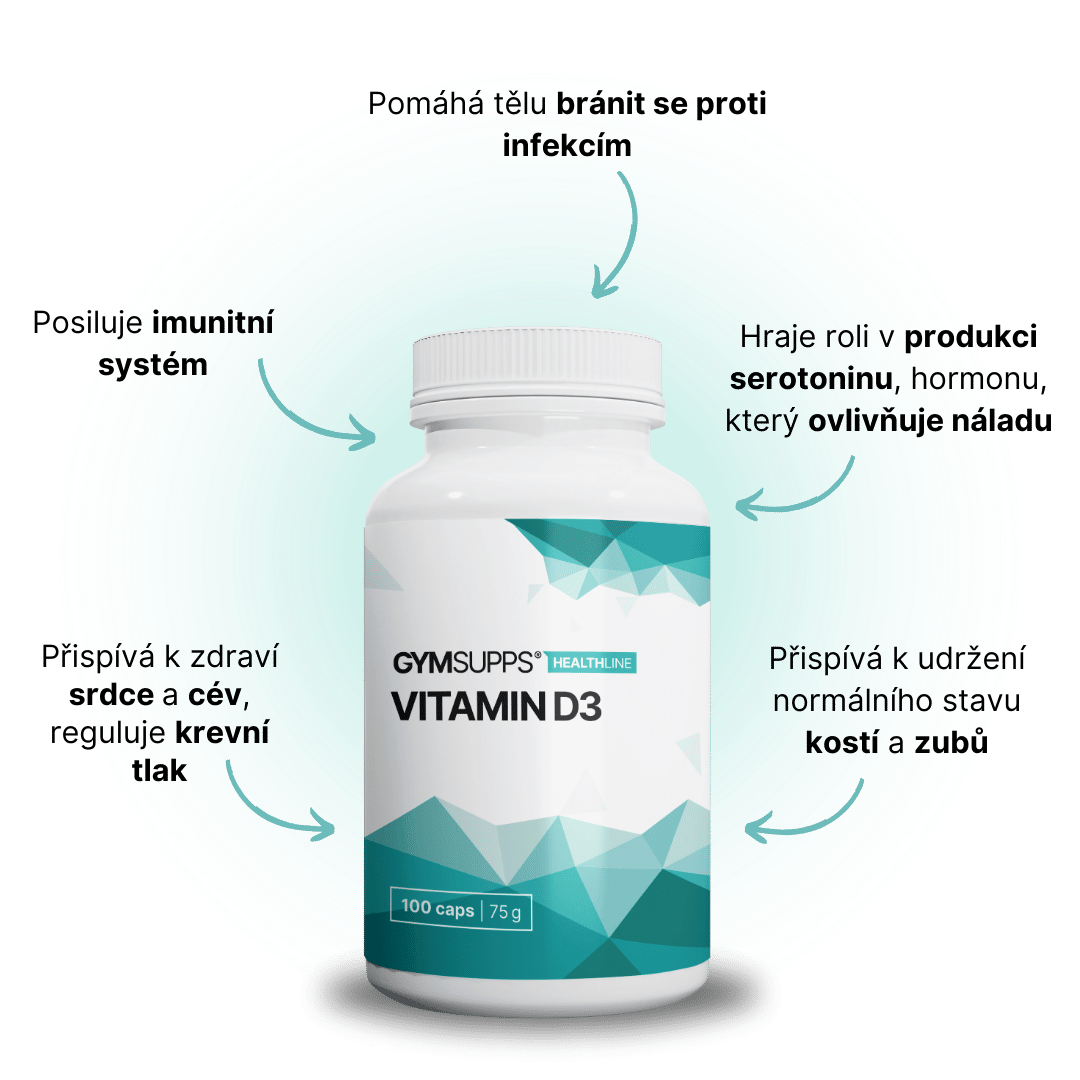
This is undoubtedly the most well-known role of vitamin D. Calcitriol regulates the absorption of calcium and phosphorus from food in the intestines and maintains optimal levels in the blood.6 This is essential for mineralization of bones and teeth, ensuring their strength and durability. Adequate levels of vitamin D help prevent diseases such as osteomalacia in adults and rickets in children, and in older adults, especially when combined with calcium, it protects against osteoporosis.8 For athletes, this means stronger bones, a lower risk of stress fractures and faster recovery from injuries.
2. Immune system: Shield against infections
Vitamin D plays a key role in modulating the immune response.1,6 It supports both innate and acquired immunity. It is anti-inflammatory and regulates the production of antimicrobial peptides, such as cathelicidin, which help the body fight bacteria and viruses.6 For athletes who are often exposed to increased physical stress, which can temporarily weaken the immune system, adequate vitamin D levels are essential to reduce the risk of upper respiratory tract infections and maintain training continuity.1,7 Vitamin D deficiency has been associated with increased susceptibility to infections, including SARS-CoV-2.7
3. Muscle function and recovery
Vitamin D is essential for normal muscle function. Vitamin D receptors (VDRs) are abundantly present in muscle cells. Calcitriol affects muscle protein synthesis, strength and muscle recovery after exercise. Vitamin D deficiency has been associated with muscle weakness, reduced physical performance and increased risk of falls.8 For athletes, this means potentially improved strength, performance and faster recovery after intense training.
4. Cognitive function and mood
The presence of forms of vitamin D in the brain and their effect on cognitive function is still under investigation. However, higher brain concentrations of 25(OH)D3 are associated with a lower risk of cognitive decline and dementia.2 Although the mechanisms are not fully understood, vitamin D may influence neuroprotective processes and neuroplasticity. This is also important for athletes, as optimal cognitive function and psychological well-being are essential for concentration, decision-making, and overall mental performance.
5. Prevention of chronic diseases
In addition to the above functions, vitamin D plays a role in the prevention and modulation of many chronic diseases. It has an impact on the cardiovascular system, glucose regulation, and metabolism.1,8 Interestingly, studies have suggested a photoprotective role for forms of vitamin D in the skin and their potential benefit in the prevention of non-melanoma skin tumors.3 Animal studies also suggest that vitamin D may have beneficial effects on various cancers, blood pressure, and autoimmune disorders.6 Although these "non-skeletal" effects are difficult to demonstrate in humans in randomized controlled trials, overall health and disease prevention are key to a long-term athletic career.
Deficiency and optimal levels: how to find out what you need
Despite the widespread availability of sunlight and fortified foods, vitamin D deficiency is a worldwide problem, including in Europe.4,5 A large percentage of Europeans do not meet the reference intake of vitamin D.4
Who is at risk of deficiency?
- Athletes: Especially those who train mainly indoors or during the winter months when sunlight is weak.
- People with dark skin: Melanin in the skin reduces the skin's ability to produce vitamin D from the sun.8
- Older adults: the ability of the skin to synthesize vitamin D and the kidneys to activate it decreases with age.8
- People with limited sun exposure: Those who spend most of their time indoors or dress in a way that covers most of their skin.
- Individuals with certain medical conditions: For example, those with fat absorption disorders (e.g., Crohn's disease, celiac disease), kidney or liver disease.7,8
- People with obesity: Vitamin D is stored in adipose tissue, which can lead to lower circulating levels.7
.png)
Optimal levels and testing
The optimal blood level of vitamin D (measured as 25(OH)D) is still debated, but it is generally recommended to maintain a concentration between 50-125 nmol/L (20-50 ng/mL) for skeletal and non-skeletal health.6,8 Higher levels may be recommended for athletes and individuals with certain health conditions.7 The only reliable way to determine your vitamin D levels is with a 25(OH)D blood test. It is recommended to have your levels tested at least once a year, ideally in late winter, to establish a baseline.
Vitamin D supplementation: how to do it right
Because achieving optimal levels through diet alone is difficult for many people, dietary supplements play a key role.
Types of supplements and dosage
The preferred form of supplementation is vitamin D3 (cholecalciferol), which has been shown to be more effective at increasing blood levels than D2.1 Dosing should be individualized and guided by your current 25(OH)D blood levels, your weight, sun exposure levels, and lifestyle. In general, a daily intake of 800-2000 IU (20-50 µg) of vitamin D is recommended.6,8 Individuals with documented deficiency may need higher doses, such as 5000 IU or more, for several weeks or months after consultation with a physician.7 The Conference on Vitamin D Controversies even recommended an individualized approach to vitamin D dosing depending on the specific mechanisms of deficiency in various diseases, with higher doses for conditions such as osteoporosis, diabetes, or obesity.7
Combination with other nutrients
For optimal use of vitamin D in the body, it is important to ensure adequate intake of other nutrients, especially vitamin K2 and magnesium. Vitamin K2 helps to channel calcium into the bones and prevent its deposition in soft tissues, while magnesium is a cofactor for many of the enzymes involved in vitamin D metabolism.6
Risks of excessive intake
Although vitamin D toxicity is rare, it can occur at extremely high doses, usually above 10,000 IU per day for prolonged periods. The main risk is hypercalcaemia (high blood calcium levels), which can lead to nausea, vomiting, fatigue, muscle weakness and, in severe cases, kidney damage.8 It is therefore important not to exceed recommended doses without medical supervision and to monitor blood levels.
Conclusion: optimal vitamin D for optimal performance
Vitamin D is much more than just a "bone vitamin." It's a key player in your body's complex orchestra, essential for maintaining health, immunity, and especially for peak athletic performance. From its production in the skin, to its complex metabolic pathway, to its hormonal effects on cells, "D" is the cornerstone of your health.
As athletes and active individuals, recognize the importance of regular sun exposure, incorporating vitamin D-rich foods into your diet, and considering quality supplements, especially during months with limited sunshine. Have your levels tested and consult a professional for dosage advice. Put your best into your body - and your body will give back in the form of stronger bones, indomitable immunity and peak performance!
Recommended
Reflex Vitamin D3

Nutrend Vitamin D3 + K2
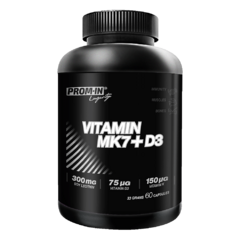
Prom-in Vitamin MK7+D3

GymSupps Vitamin D3
Sources:
- [1] Vitamin D: Vitamin or Hormone? PubMed, 2021.
- [2] Brain vitamin D forms, cognitive decline, and neuropathology in community-dwelling older adults. PubMed, 2023.
- [3] The Role of Classical and Novel Forms of Vitamin D in the Pathogenesis and Progression of Nonmelanoma Skin Cancers. PubMed, 2020.
- [4] Contribution of different vitamin D forms and fortified foods to vitamin D intake in Europe: a narrative review. PubMed, 2024.
- [5] Sources of vitamin D for humans. PubMed, 2022.
- [6] Vitamin D: Production, Metabolism, and Mechanism of Action. NCBI Books, 2018.
- [7] Vitamin D: Dosage, levels, form, and route of administration: Does one approach fit all? PubMed, 2021.
- [8] Vitamin D - Health Professional Fact Sheet. NIH Office of Dietary Supplements.
No posts have been made yet.