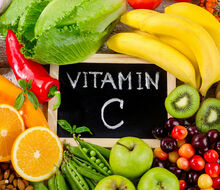
Food as a source of vitamin C: Where is it most abundant?
 Author:
 Vitamin C, technically known as ascorbic acid, is one of the most important antioxidants and micronutrients that the human body cannot synthesize on its own. This means that we depend purely on its intake from food. And although it is often mentioned mainly in the context of boosting immunity during the autumn and winter months, its importance is much broader. For active people, athletes, fitness and healthy lifestyle enthusiasts, vitamin C is essential not only in terms of prevention, but also for daily regeneration, collagen synthesis, tissue healing, joint health and even to support the absorption of other nutrients - such as iron.
In this article, we'll take a detailed look at what vitamin C is, what vitamin C contains, and most importantly, where the most vitamin C is found - that is, what specific foods offer the most of it. You'll learn that lemon is definitely not the king of C, even though it is often associated with it. We'll look not only at the fruits with the most vitamin C, but also at vegetables that are perhaps even more potent in this regard. Whether you're looking for inspiration for your diet or just want to fill in the missing vitamins, this guide will give you the answers to everything important.
Article content:
- Why vitamin C is crucial for the body, not just in winter
- Lemon and vitamin C: Tradition versus reality
- The most vitamin C in... peppers, acerola, sea buckthorn and other surprises
- Other foods high in vitamin C
- How to properly handle vitamin C in the kitchen
Why vitamin C is crucial for the body not only in winter
Vitamin C plays several essential roles in our bodies that make it an indispensable element of a healthy lifestyle. In addition to contributing to the proper functioning of the immune system, it also contributes to the synthesis of collagen - a protein that forms the basic building block of connective tissues. As a result, it has a direct effect on the condition of the skin, tendons, ligaments and joints. Athletes will appreciate that it aids faster recovery after physical exercise, and also supports the absorption of iron from plant sources, which is essential for vegetarians and vegans, for example.
Another important aspect is its strong antioxidant capacity - vitamin C neutralises free radicals, helping to slow cell ageing, protect DNA and reduce the risk of civilisation diseases. Regular intake of this vitamin is not only important during illness, but also as a preventive measure. That's why there is so much discussion about what vitamin C is in, how to get as much of it into the body as possible, and which sources of vitamin C are most effective.
Who is it good for?
.png)

Lemon and vitamin C: Tradition versus reality
At the mention of vitamin C, most people think of the classic lemon - and no wonder. Even our grandmothers recommended drinking warm water with lemon as a morning health elixir. Indeed, the lemon contains vitamin C, and consuming it can benefit the immune system. However, the reality is that in terms of C content, the lemon is a fairly mediocre performer. In 100 grams of lemon there are about 40-50 mg of vitamin C, which is certainly not negligible, but compared to other fruits it is a rather symbolic dose.
So, if you really want to increase your vitamin C intake, it's important to know what has the most vitamin C and not just rely on citrus fruits. Just what has the most vitamin C is a key question for anyone who is health conscious and wants to have an effective diet.
The most vitamin C is contained in... peppers, acerola, sea buckthorn and other surprises
Let's finally take a look at the main thing - where is the most vitamin C, and therefore which specific foods are the richest sources of it. You might be surprised, but citrus definitely doesn't lead the way here.
1. Acerola (Barbados cherry)
This tropical berry is the real star when it comes to vitamin C foods. A whopping 1,600 mg of vitamin C can be found in 100 grams of fresh acerola! That's more than 20 times the recommended daily allowance for an adult. Fresh acerola may be harder to find in our area, but it is available on the market in powder, capsule or juice form - ideal for athletes or for convalescence.
2. Sea buckthorn
This orange shrub also grows in our latitudes and is considered a local superfood. Sea buckthorn contains approximately 600-700 mg of vitamin C per 100 grams, making it one of nature's most powerful weapons in the fight against infections, fatigue and stress. In addition, it also has anti-inflammatory effects and aids digestion.
3. Red pepper
It may surprise you to know that of the commonly available vegetables, red peppers and vitamin C are the ones that form a powerful connection. Per 100 grams, it contains up to 200 mg of vitamin C - and the riper it is, the higher the content. Green peppers have about half that, but they're still one of the great sources of C among vegetables.
Other foods high in vitamin C
4. Kiwi - a small fruit with big power
If you're looking for a tasty way to supplement C, kiwi and vitamin C are a safe bet. One medium kiwi contains around 70-90 mg of vitamin C. It's great for breakfast, in a smoothie or as a quick post-workout snack. Plus, it also contains fiber and enzymes to aid digestion.
5. Broccoli - a green wonder in the kitchen
A vegetable rich in vitamin C? Definitely broccoli. It contains around 80 mg of C per 100 grams and also boasts a high proportion of fibre, calcium and other antioxidants. It's best to steam it to preserve the highest levels of active ingredients.
6. Blackcurrants
Another seasonal treasure. Blackcurrants contain around 180 mg of vitamin C per 100 g. It is also extremely rich in polyphenols and other phytonutrients that help protect the body from oxidative stress.
7. Parsley
Often neglected, yet extremely rich in Ca. Over 130 mg of vitamin C can be found in 100 g of fresh leaves. Add it to a smoothie, salad or make an herbal dip.
Overview - the fruits and vegetables with the most vitamin C
| Food | Vitamin C content (mg/100 g) |
| Acerola | 1600+ |
| Sea buckthorn | 600-700 |
| Blackcurrant | 180 |
| Red pepper | 200 |
| Parsley | 130 |
| Kiwi | 90 |
| Broccoli | 80 |
| Strawberries | 60 |
| Orange | 50 |
| Lemon | 40-50 |
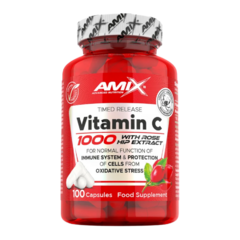
Our recommended dietary supplements:

How to properly handle vitamin C in the kitchen
Many people have no idea that vitamin C is a rather unstable substance. It is quickly destroyed by heat, light and oxygen. This means that long cooking, frying or baking can reduce its content in food by up to more than half. So if you want to preserve as much of the active ingredient as possible, try to consume vegetables and fruit in their most natural form - raw, briefly blanched or steamed.
Conclusion.
You already know what has the most vitamin C, what vitamin C is in, and that the answer is definitely not just "in lemons". On the contrary - acerola, paprika or sea buckthorn contain the most vitamin C. If you want to maintain strong immunity, healthy skin, functional joints and fast recovery after a hard workout, include foods with vitamin C in your diet regularly.
It pays to monitor not only seasonal availability, but also the method of preparation. In short, where there is vitamin C, there is health, vitality and performance. That's why it pays to know as much as possible about it.
Recommended
NaturLabs Liposomální Vitamín C
Vitamin C 100cps 1+1
No posts have been made yet.