Fish oil and its effects on hair
 Author:
 In the modern world of fitness and healthy living, we often focus on building muscle mass, reducing fat or improving physical performance. However, we often neglect the details that complete the overall picture of health and vitality - one of which is undoubtedly the quality of our hair. Dry, brittle or thinning hair can be not only an aesthetic problem, but also a signal that our bodies are missing something. Increasingly, one particular dietary supplement is being discussed in this context: fish oil. Could this golden elixir, known especially for its effects on the heart and brain, really be the key to a thick and healthy mane? Let's take a closer look, backed by expert studies.
Article content:
- What is fish oil and why is it important?
- How do omega-3s affect hair growth?
- Targeted help for hair loss
- Everything in moderation.
- Conclusion.
What is fish oil and why is it important?
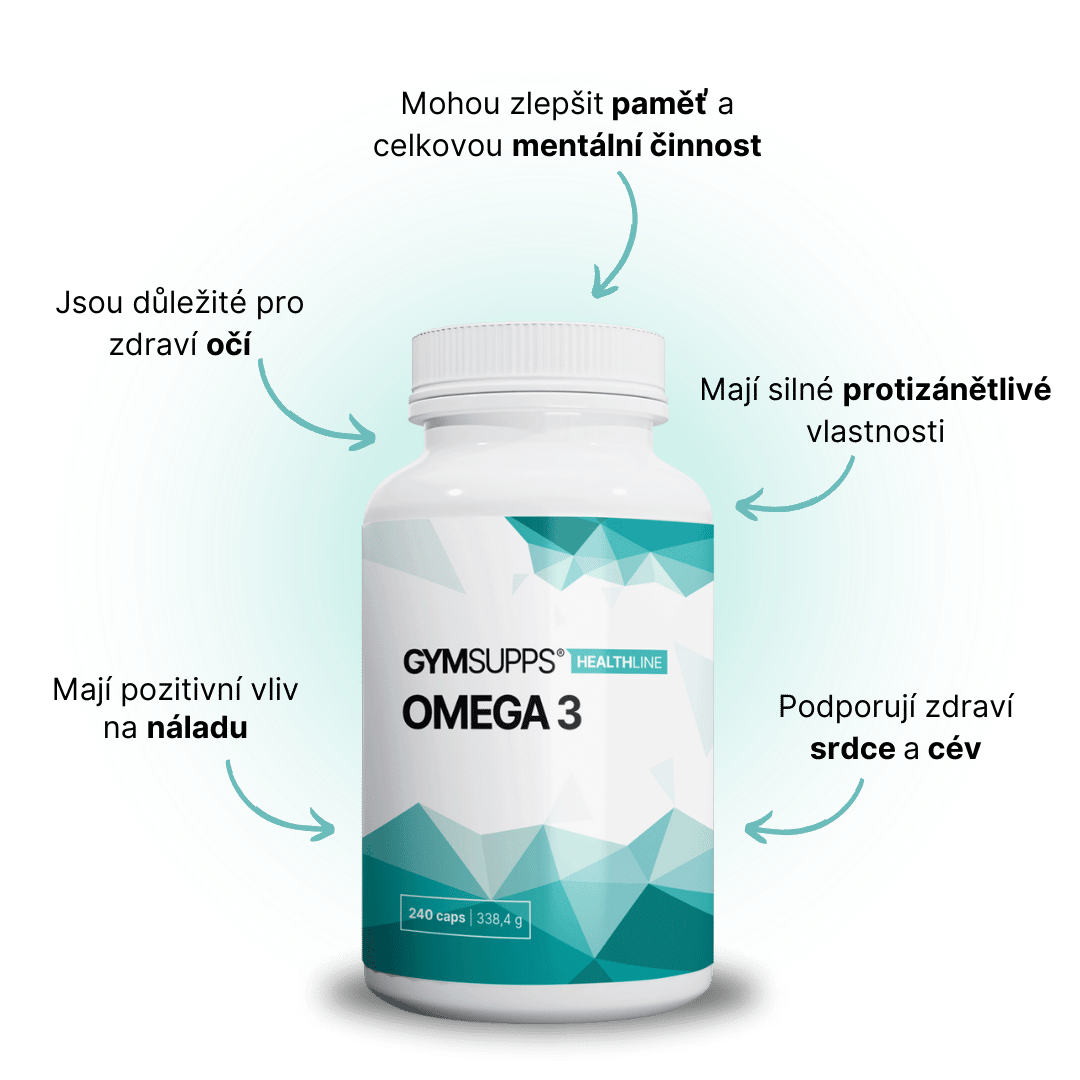
Fish oil is a rich source of omega-3 fatty acids, especially eicosapentaenoic acid (EPA) and docosahexaenoic acid (DHA). These polyunsaturated fats are essential for the human body, which means that it cannot make them efficiently on its own, and we have to get them from our diet. Their anti-inflammatory properties and importance for cellular health are well documented. And this is where the first chapter of the story of their effect on hair opens. Every hair grows out of a complex miniature factory called a hair follicle. The health and proper function of these follicles are absolutely critical to the production of a strong and healthy hair fiber. Any inflammation or imbalance around the follicle can disrupt this process.
Scientific insight: How do omega-3s affect hair growth?
To go beyond conjecture, let's look at the concrete scientific evidence. Researchers have looked at how omega-3 fatty acids can affect the hair cycle, which consists of three main phases: anagen (growth), catagen (transition) and telogen (resting, at the end of which the hair falls out). For a healthy scalp, it is desirable for as many follicles as possible to be in the active, anagen phase.
One interesting study published in the PubMed database examined the effects of an extract of fermented fish oil from mackerel. The researchers found that this extract, and specifically the DHA it contained, was shown to promote hair growth. In animal models, it was observed that the application of the extract led to the elongation of hair fibres and, in particular, to the stimulation and prolongation of the anagen (growth) phase of the hair cycle¹. This discovery is key because it suggests that omega-3 fatty acids can directly interact with cells in hair follicles and "persuade" them to stay longer in production mode.

Solutions for women: targeted help for hair loss
While the above study was conducted on animal models, other research has focused directly on humans, specifically women struggling with thinning hair. One hundred and twenty healthy women participated in a six-month study, during which half of them took a specific dietary supplement containing omega-3 and omega-6 fatty acids along with antioxidants.
The results were more than encouraging. The group taking the supplement showed statistically significant improvement after six months. Specifically, there was an increase in hair density and a significant reduction in the percentage of hair in the telogen (resting) phase. Simply put, more hair was actively growing and less was falling out. The study participants themselves confirmed that they perceived an improvement in the quality and density of their hair². Thus, this study makes a strong case that a combination of essential fatty acids and antioxidants may be an effective strategy to combat female hair loss.
Everything in moderation.
As with any dietary supplement, caution and striving for balance is in order. Extremes are not desirable, which is ironically confirmed by another study, this time again on mice. In this experiment, rodents were fed a diet extremely high in fish oil. The result was not a more beautiful coat, but rather a loss of coat³.
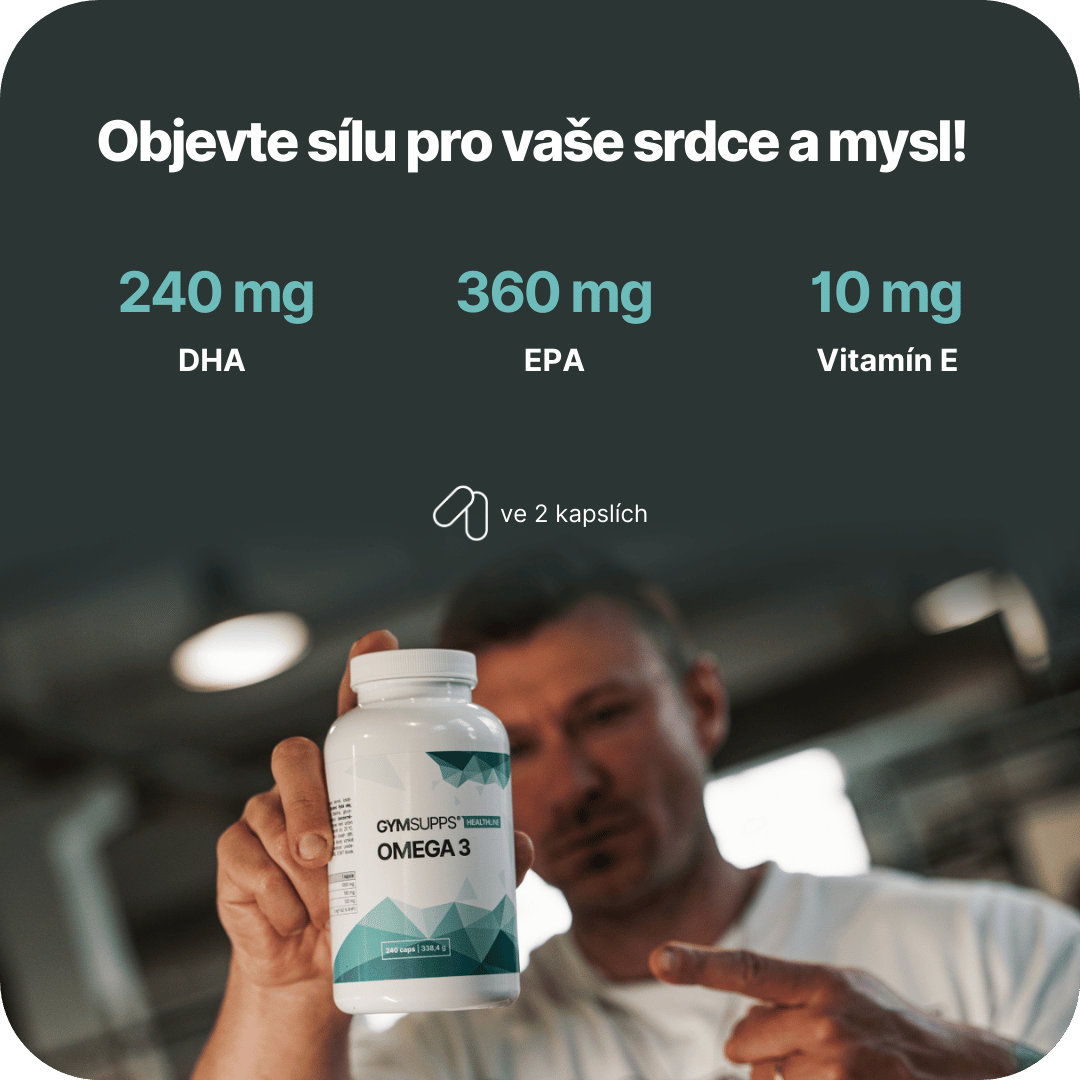
Although this is an animal study and in the context of unrealistically high doses, it delivers an important message: supplementation should be used to complement and optimise a healthy diet, not to replace it or to experiment with extreme doses. For most people, the recommended daily dosage listed on quality dietary supplements is perfectly safe and optimal for achieving positive effects, whether on hair, heart or brain.
Conclusion.
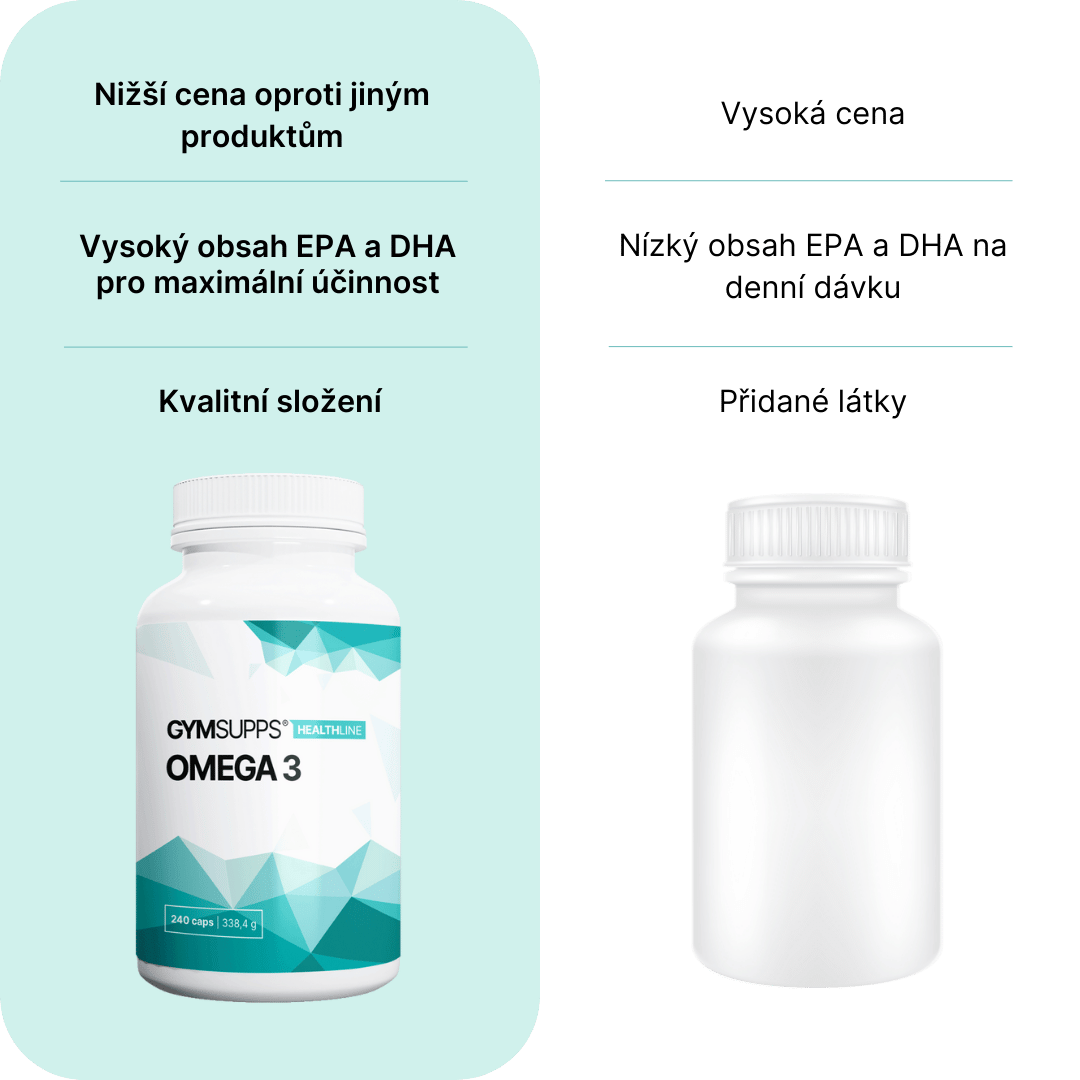
The current state of scientific knowledge suggests that fish oil and the omega-3 fatty acids it contains have the potential to be a valuable supplement in hair care. It is not a miracle cure that will solve all problems overnight, but rather a strategic investment in the health of hair follicles from within.
By supporting the anagen (growth) phase of the hair cycle and through their anti-inflammatory properties, omega-3s can create the optimal environment for the growth of strong, healthy and thick hair. The experience of women who have participated in clinical studies only confirms this assumption.
So, if you're struggling with your hair quality, incorporating quality fish oil into your supplementation plan, alongside a balanced diet rich in protein, vitamins and minerals, may be a step in the right direction. Your hair, like your muscles, deserves the best nutrition.
Recommended
VitaHarmony Rybí olej
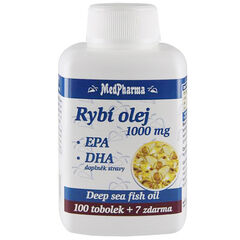
MedPharma Rybí olej

GymSupps Omega 3

Omega 3 240cps 1+1
Study references:
- ¹ Kang, J. I., et al. (2018). Mackerel-Derived Fermented Fish Oil Promotes Hair Growth by Anagen-Stimulating Pathways. International Journal of Molecular Sciences, 19(9), 2770.
- ² Le Floc'h, C., et al. (2015). Effect of a nutritional supplement on hair loss in women. Journal of Cosmetic Dermatology, 14(1), 76-82.
- ³ Li, B., et al. (2022). Consumption of fish oil high-fat diet induces murine hair loss via epidermal fatty acid binding protein in skin macrophages. Cell Reports, 41(11), 111804.
No posts have been made yet.