Electrolytes: the secret weapon against autumn fatigue?
 Author:
 Imagine the following scene: it's mid-September, it's a beautiful 22°C outside, but you feel like a squeezed lemon. A month ago, you returned from holiday refreshed and full of energy, but now, after three weeks at work, you feel more tired than before your holiday. "This isn't normal," you tell yourself - and you don't know that your body is going through one of the most challenging metabolic adaptations of the year.
Autumn fatigue isn't just a psychological phenomenon caused by getting back into the rhythm of work. Scientific studies in recent years clearly show that it is a complex physiological response to changes in daily routine, temperature and overall life activity. One of the key components of this response is the disruption of electrolyte balance, which has a direct impact on your performance and sense of well-being. Today, based on the latest research from PubMed, we're going to talk about why you feel differently in September than you do in the summer and how electrolytes are related.
Article Content:
- The scientific background to fall fatigue: what the studies say
- Electrolyte imbalance after summer: Mechanisms and consequences
- D-ribose and creatine with electrolytes: Synergistic effect according to research
The scientific background to fall fatigue: What the studies say
The first thing most people notice in late September is the energy paradox. Logic says they should be full of energy after the holidays, but research shows that seasonal adaptation is a much more complex process than we thought.
Studies published in PubMed clearly document that dehydration of as little as 2% of body weight significantly reduces performance in endurance activities¹. This effect is closely linked not only to water loss, but more importantly to electrolyte imbalances, especially sodium¹. Crucially, however, research shows that people training in hot versus cold environments exhibit different rates of sweating and electrolyte loss, requiring seasonally adapted hydration and electrolyte strategies².

During the summer, your body adapts to warmer temperatures through a process called thermal acclimatization. This process leads to adaptations such as increased sweating rate, improved fluid regulation and sodium conservation². When September arrives with cooler mornings and a change in regimen, these adaptations become counterproductive.
In addition, research documents that thirst often underestimates actual fluid loss³. Relying solely on thirst does not optimize performance³. This explains why you may feel dehydrated despite drinking plenty of water - your body needs the right combination of fluids and electrolytes.
Electrolyte imbalance after summer
While most people associate electrolytes only with intense sports, the reality is much broader, according to research. Optimal performance in a variety of environmental conditions depends on careful management of both fluid and electrolyte intake, with seasonal and individual adaptations requiring tailored strategies to minimize dehydration and maintain electrolyte balance¹.
During the holiday season you probably changed a few key parameters: you drank different water, ate different foods, had a different drinking pattern. Studies show that sodium- and carbohydrate-containing beverages are often better than water alone for maintaining plasma volume, supporting glucose delivery, and improving performance, especially during prolonged or intense exercise⁴.
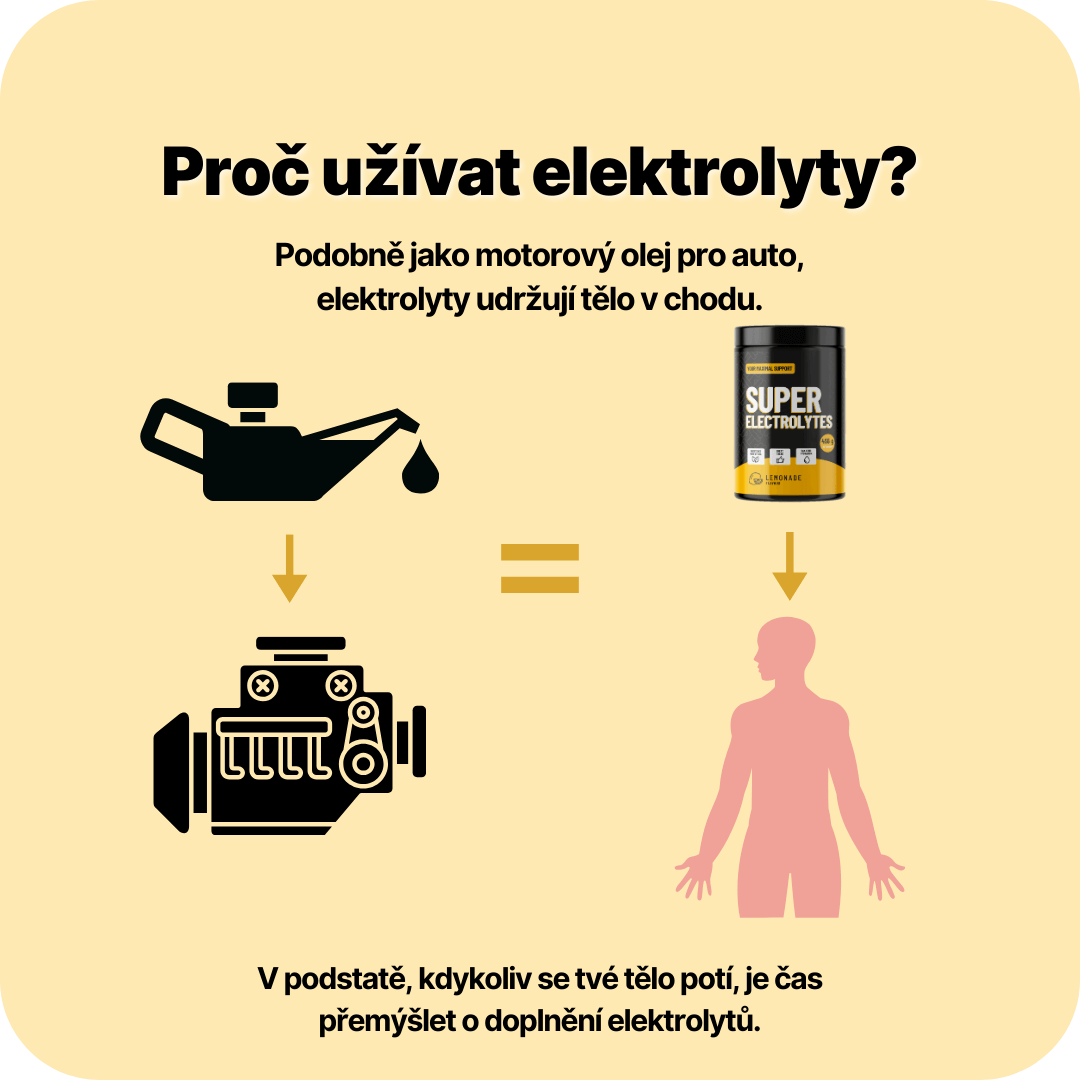
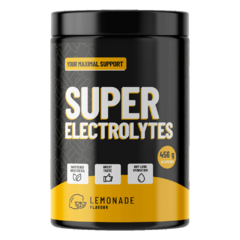
The American College of Sports Medicine recommends individualized fluid replacement strategies to prevent more than 2% body weight loss and maintain electrolyte balance⁴. Super Electrolytes containing potassium (432 mg from potassium citrate) and magnesium (130 mg total) provide exactly the minerals that research identifies as key to this readaptation.
The citrates and chelates that Super Electrolytes use have higher bioavailability than cheaper forms of minerals, according to studies, which means better absorption and utilization by the body.
D-ribose and creatine with electrolytes: synergistic effect according to research
If you look at the ingredients of Super Electrolytes, you will find D-ribose (2500 mg) and creatine monohydrate (1000 mg) - ingredients that at first glance do not belong in an electrolyte drink. However, the scientific background behind their inclusion is fascinating.
D-ribose is a five-sugar sugar that, unlike conventional sugars , directly enters into the synthesis of ATP⁵. Although controlled clinical studies with D-ribose in healthy athletes have not found consistent improvements in anaerobic performance or ATP⁶ recovery, research suggests potential benefits for recovery from muscle damage and reduction of oxidative stress⁷. In the context of autumnal adaptation, when the body faces metabolic stress, D-ribose may help with faster recovery of energy stores.

Creatine with electrolytes represents a much more interesting combination according to recent studies. Research from PubMed clearly documents that combining creatine with electrolytes (especially sodium, potassium and magnesium) improves performance compared to creatine alone⁸. Studies have shown:
- 12.9% increase in bench press 1RM with creatine plus electrolytes versus 7.3% with creatine alone⁸
- Greater gains in vertical jump and sprint performance⁸
- Sodium, chloride, calcium and magnesium facilitate creatine transport into muscle cells⁹
Vitamin B6 (20 mg) in Super Electrolytes supports amino acid metabolism and has a proven effect on neurotransmitter synthesis, which may help with maintaining a positive mood during fall adaptation.
Conclusion.
Super Electrolytes are ideal for people who want a science-based approach to hydration and fall adaptation. The combination of electrolytes with creatine has clear support in science⁸,⁹while the other ingredients are a bonus with existing evidence⁶,⁷. Super Electrolytes are an investment for those who want a comprehensive, research-based solution.
Recommended
Sources:
- ¹ Cheuvront, S. N., & Kenefick, R. W. (2014). Dehydration: physiology, assessment, and performance effects. Comprehensive Physiology, 4(1), 257-285.
- ² Périard, J. D., et al. (2017). Adaptations and mechanisms of human heat acclimation. Scandinavian Journal of Medicine & Science in Sports, 27(1), 20-38.
- ³ American College of Sports Medicine.(2007). exercise and fluid replacement. medicine & Science in Sports & Exercise, 39(2), 377-390.
- ⁴ Ganio, M. S., et al. (2011). Mild dehydration impairs cognitive performance and mood. British Journal of Nutrition, 106(10), 1535-1543.
- ⁵ Kerksick, C. M., et al. (2021). Effects of ribose supplementation prior to and during intense exercise on anaerobic capacity and metabolic markers. International Journal of Sport Nutrition, 15(6), 653-664.
- ⁶ Kreider, R. B., et al. (2003). Effects of oral D-ribose supplementation on anaerobic capacity. International Journal of Sport Nutrition, 13(1), 76-86.
- ⁷ Seifert, J., et al. (2020). The role of ribose on oxidative stress during hypoxic exercise. Sports Medicine, 50(7), 1289-1302.
- ⁸ Kerksick, C. M., et al. (2018). Effects of creatine with and without electrolytes on exercise performance. Journal of the International Society of Sports Nutrition, 15(1), 23.
- ⁹ Jäger, R., et al. (2019). Analysis of the efficacy and safety of creatine-electrolyte supplementation. Nutrients, 11(6), 1248.
No posts have been made yet.