Dextrose and its harmfulness
 Author:
 What is dextrose?
Dextrose is a simple sugar that belongs to the monosaccharides and is chemically identical to glucose. In the body, it acts as a quick and readily available source of energy because it is immediately absorbed into the bloodstream. This sugar occurs naturally in some foods, but is also made from corn starch and is commonly added to sports nutrition and various industrially processed products. In the fitness industry , dextrose is mainly used for immediate energy replenishment, to support muscle recovery and to rebuild glycogen stores after intense training.
Article content:
- Benefits of dextrose in training
- Negative effects and possible harmfulness of dextrose
- Who is dextrose good for?
- When to avoid excessive dextrose intake?
- How to safely incorporate dextrose into the diet?
Benefits of dextrose in training
1. Fast energy replenishment
One of the main reasons athletes and bodybuilders reach for dextrose is its ability to replenish energy quickly. Because it is a simple sugar, it doesn't require complex digestion and is absorbed into the bloodstream almost immediately, providing the body with a quick supply of fuel. This is especially beneficial after a hard workout, when the body's glycogen stores are depleted and need to be replenished as quickly as possible. Failure to do so can result in prolonged fatigue, poorer muscle recovery and slower overall training progress.
2. Improved nutrient transport
Dextrose plays a key role in the transport of nutrients to the muscles due to its ability to stimulate insulin production. Insulin is a hormone that regulates blood sugar levels while promoting the absorption of amino acids, creatine and other important nutrients into muscle cells. Thus, consuming dextrose after a workout can increase recovery efficiency and promote muscle growth. In addition, when combined with protein, it can significantly improve the body's use of protein, which is important for muscle recovery and building new muscle tissue.
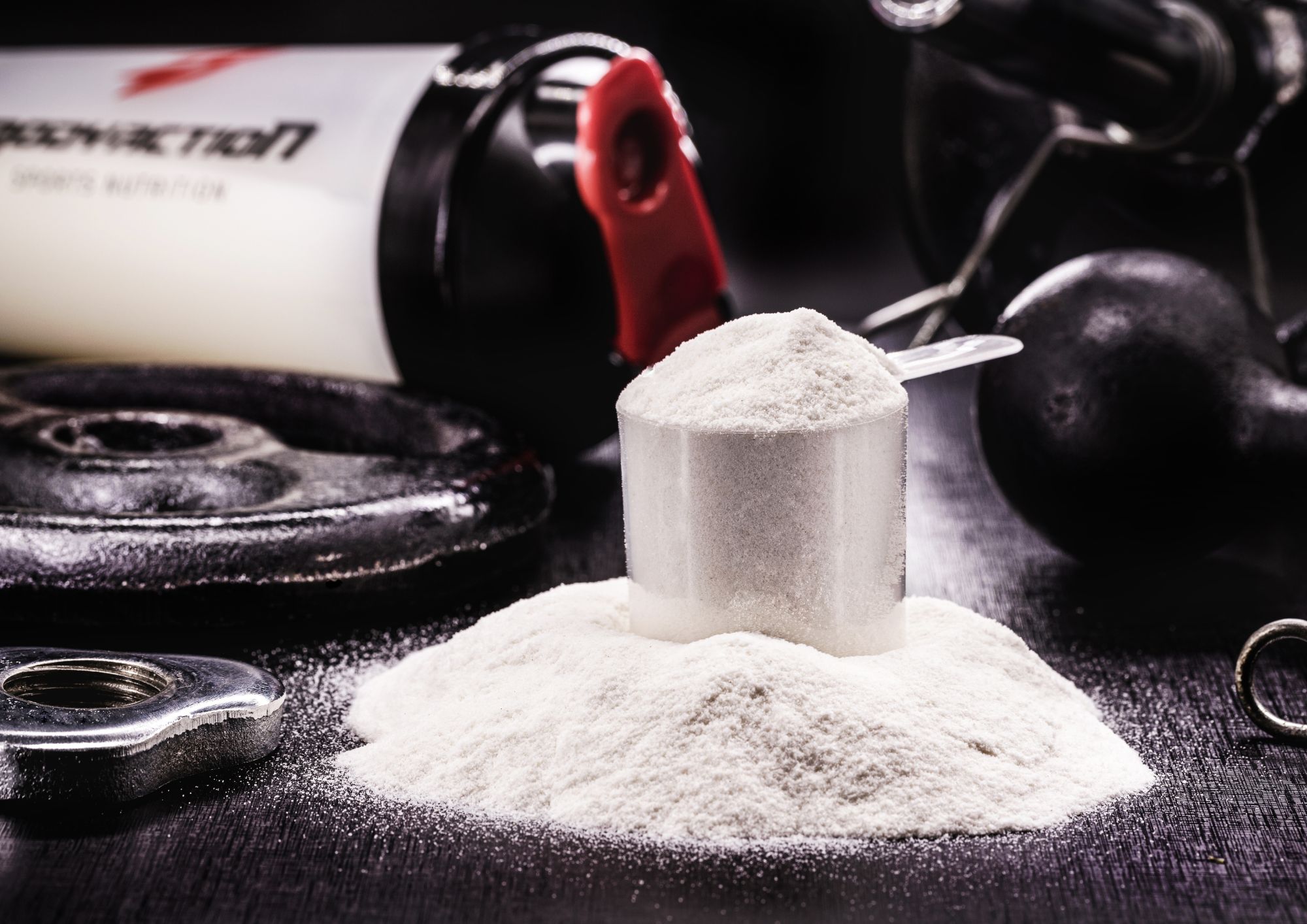
3. Accelerated recovery
In addition to replenishing glycogen and promoting nutrient transport, dextrose also helps to reduce muscle fatigue and speed recovery after exercise. This aspect is particularly important for athletes who train at high intensity and need fast recovery between training units. Dextrose can help minimize muscle soreness, reduce the risk of overtraining, and allow for more frequent and effective training cycles.
Tips on products with dextrose:
Negative effects and possible harmfulness of dextrose
1. Risk of insulin resistance
Although dextrose can be useful for athletes, excessive consumption can lead to adverse metabolic changes. Frequent and high doses of dextrose increase insulin production, which can gradually decrease the sensitivity of cells to this hormone. This condition, known as insulin resistance, is a precursor to type 2 diabetes and can lead to other health complications such as obesity, inflammatory processes in the body and an increased risk of cardiovascular disease. For this reason, it is important to ensure a balanced carbohydrate intake and combine dextrose with other macronutrients.
2. Risk of weight gain
Dextrose is a very rapidly absorbed sugar, which means that if its energy is not immediately used for physical activity, it is easily stored in fat stores. This can be a problem for individuals who have a sedentary lifestyle or whose energy expenditure is insufficient. Excessive consumption of dextrose can thus lead to weight gain and contribute to the development of obesity, which can have a long-term negative impact on health.
3. Fluctuations in blood sugar levels
Consumption of dextrose causes a rapid rise in blood sugar levels, to which the body responds by releasing large amounts of insulin. This hormone lowers blood sugar levels, which can lead to a sharp drop in energy and feelings of fatigue. This effect is known as a "sugar crash" and can trigger increased cravings for sweets, leading to further intake of fast carbohydrates and creating a vicious cycle. In people with a predisposition to metabolic disorders, this spike can contribute to an imbalance in glucose metabolism in the long term.
4. Possible sugar dependence
Simple sugars, including dextrose, can be addictive and lead to psychological and physical dependence. Regular consumption of large amounts of fast carbohydrates can alter natural hunger and appetite regulation mechanisms, leading to a greater need to consume sugary foods. This can be a particular problem for people trying to maintain a stable weight or follow a balanced diet.

Who is dextrose suitable for?
Dextrose can be very useful for specific groups of people, especially for:
- Athletes with high volume training who need to replenish muscle glycogen quickly.
- People with very low body fat percentage who have higher energy requirements.
- Athletes and individuals performing prolonged physical activity, such as long-distance runners or cyclists.
When to avoid excessive dextrose intake?
Dextrose is not suitable for people who:
- Are prone to weight gain or are obese.
- Are diagnosed with insulin resistance or diabetes.
- They lead a predominantly sedentary lifestyle and do not have a high energy expenditure.
How to safely incorporate dextrose into the diet?
In order for dextrose consumption to be beneficial and harmless, it is advisable to follow a few basic rules:
- The best time to consume dextrose is immediately after a workout, when the body is ready to efficiently replenish muscle glycogen.
- Optimal amount.
- Combination with other macronutrients.
Conclusion
Dextrose can be beneficial as a quick source of energy for athletes, but excessive consumption can lead to negative health consequences. The key to its safe use is moderation and proper timing of intake in the context of physical activity.
No posts have been made yet.