Creatine Monohydrate vs. HCL: The Clash of Forms and Scientific Reality
 Author:
 Creatine is one of the most iconic sports nutrition supplements whose popularity is built on decades of scientific evidence confirming its effectiveness. It increases strength, promotes muscle growth and improves performance during intense workouts. However, with the growing popularity and innovations in the industry, different forms of creatine have appeared on the market. The two most discussed are the time-tested creatine monohydrate and the modern alternative, creatine hydrochloride (HCL).
Instead of looking for one "best" answer, it's more useful to ask the question: Which form of creatine best suits my goals, body constitution, and preferences? This new article will serve as a guide, presenting profiles of both options so you can make an informed decision.
Article Content:
Creatine Monohydrate: The Power of Tradition and Bulletproof Data
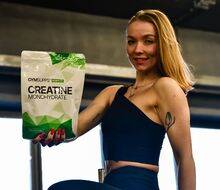
Creatine monohydrate is the form on which the entire reputation of creatine stands. Almost all of the research that confirms creatine's benefits-from strength gains to neurological benefits-has been done with monohydrate.1 Its mechanism of action is well-mapped: it increases muscle phosphocreatine stores, allowing for faster energy (ATP) recovery during short, intense bouts of exercise. In practice, this means more power for the next repetition in a set or higher performance in a sprint.
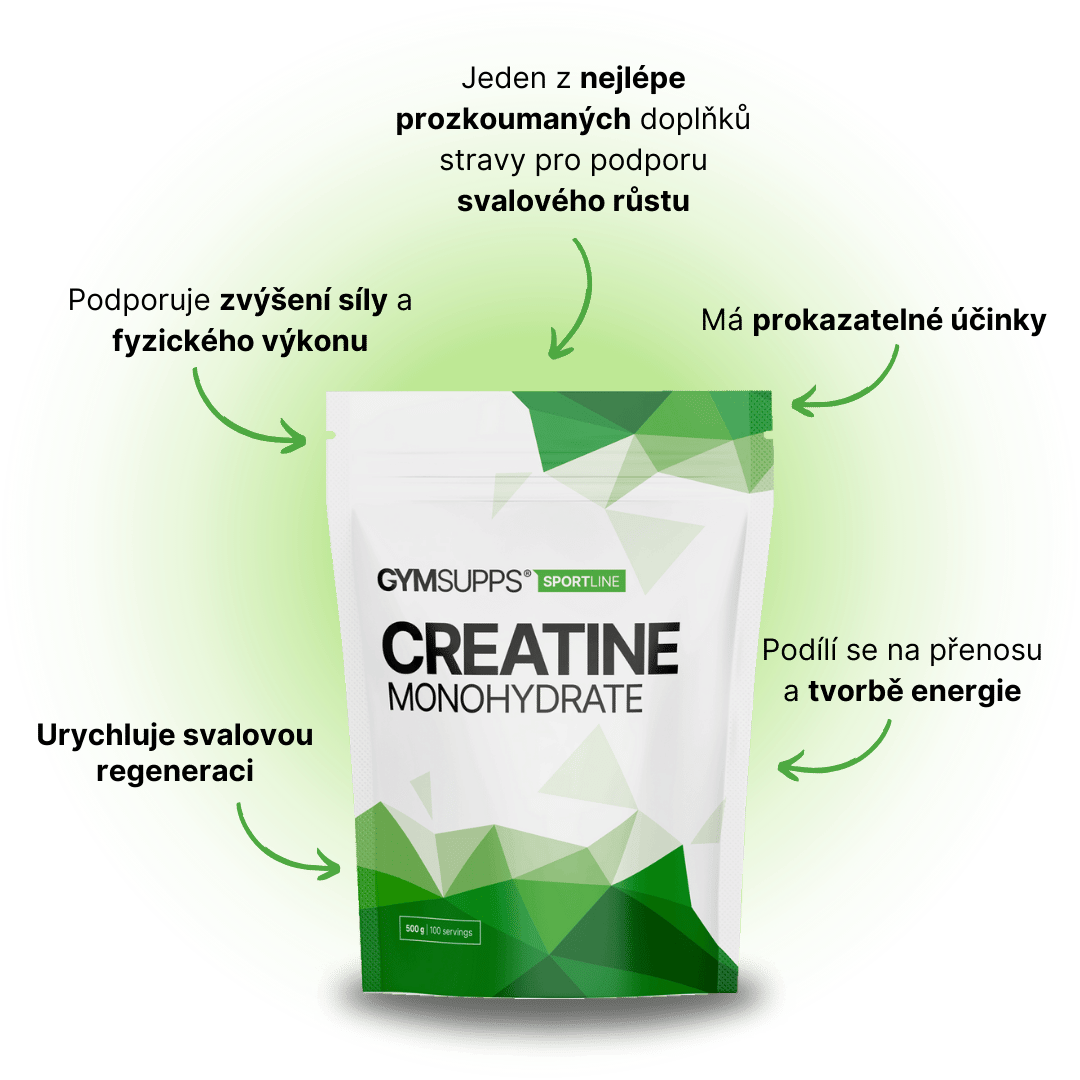
Key benefits:
- Maximum Verifiability: With over a thousand studies under its belt, its efficacy and safety are absolutely unquestionable. You know exactly what you're getting and what results to expect.2
- Proven Performance Impact: Consistently demonstrates improvements in strength events, muscle mass gains and improved recovery.
- Excellent value for money: per gram of active ingredient, creatine monohydrate is by far the most cost-effective choice on the market.
For whom is creatine monohydrate ideal?
It is the universal choice for the vast majority of athletes. Its profile will be most appreciated by:
- Results-oriented athletes: if your main goal is maximum strength, power and muscle mass backed by scientific certainty.
- Beginners: For those new to creatine, monohydrate is the safest and surest choice to experience its effects.
- Users on a budget: It offers the best possible result at the lowest price, making it the most financially smart choice.
Creatine HCL: A modern approach focused on comfort
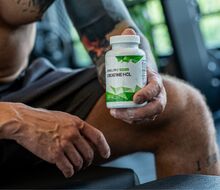
Creatine hydrochloride (HCL) was developed with a specific aim - to improve some of the properties of monohydrate, in particular its solubility. Thanks to the attachment to the hydrochloride group, creatine HCL dissolves many times better in water. This property is the basis of all its advantages and targets a specific group of users.
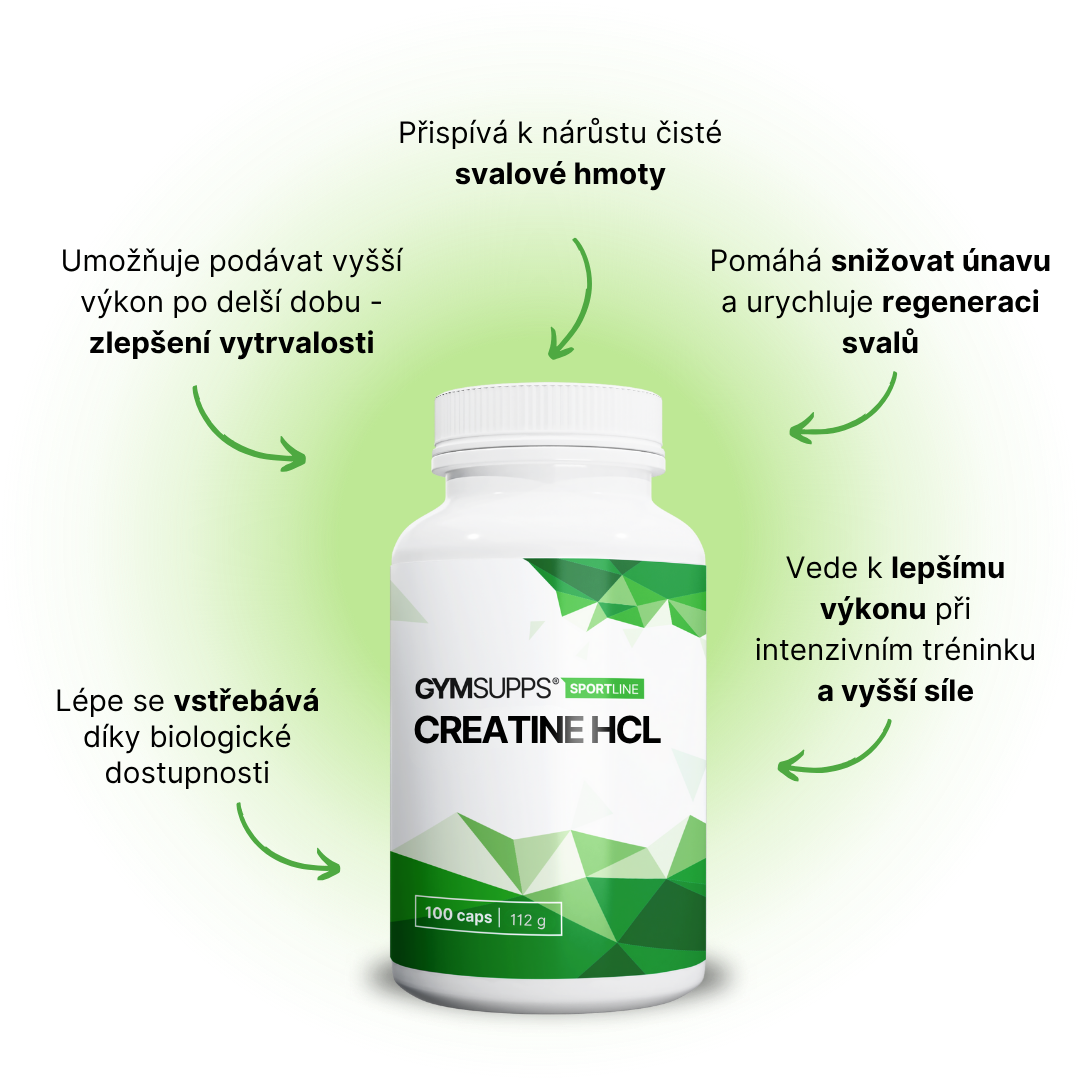
Main advantages:
- Excellent solubility and comfort for digestion. Users who experience stomach heaviness or bloating after monohydrate often report not having these problems with HCL.
- Lower dosage option: theory based on better solubility and potentially absorption suggests that a lower dose is sufficient to achieve similar results. This means a smaller volume of powder to consume.
- Minimal water retention: although water retention with monohydrate is primarily beneficial (intracellular), some athletes (e.g. in aesthetic disciplines or prior to weight class competitions) prefer to minimize any, even temporary, weight gain. HCL is often seen as a "drier" option in this regard.
For whom is creatine HCL ideal
Creatine HCL is a specialized form that addresses specific needs. Its properties will be especially appreciated by:
- Individuals with sensitive digestion.
- Athletes who prefer convenience: If you are bothered by consuming large amounts of powder and want a supplement that dissolves instantly and without residue.
- Forthose who want to avoid any feeling of "bloating" and are looking for the purest form of supplementation in terms of sensation.
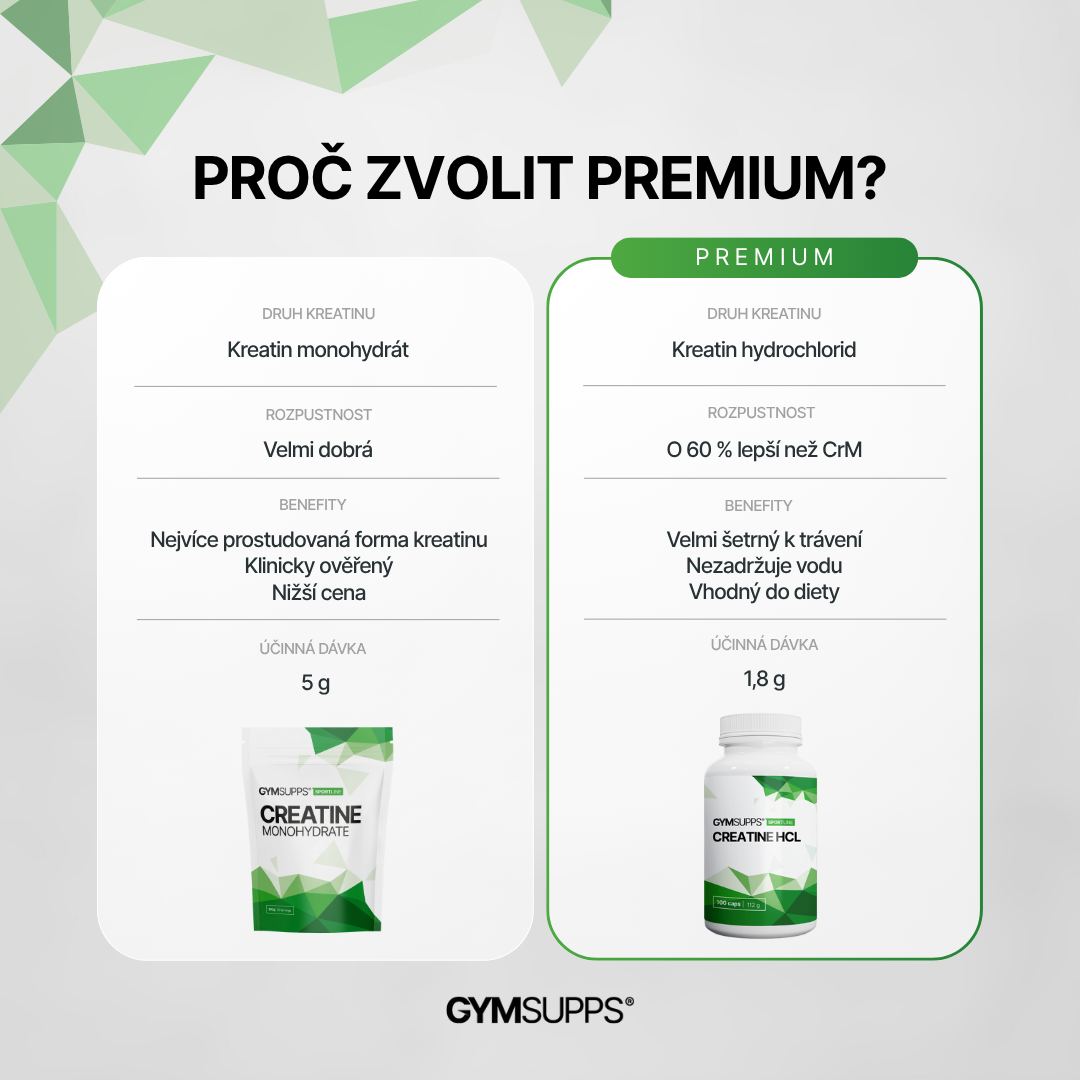
Summary and recommendations.
It's important to emphasize that when it comes to the primary goal - increasing strength and muscle mass - the available studies show that both forms are highly effective when used correctly. A direct comparative study found no statistically significant difference in performance outcomes between monohydrate and HCL.3 Thus, the difference is not whether they work, but how they are used and the user experience they provide.
In the end, the choice between creatine monohydrate and HCL is not about what is absolutely "better", but about what is "better suited" for you. Monohydrate is a reliable and versatile tool for anyone looking for certainty and maximum value. HCL is a premium and specialized alternative for those who prefer comfort and have specific requirements for digestion and feel. Both paths lead to the same goal - your improved performance.
Recommended
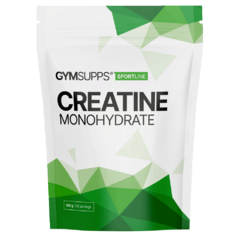
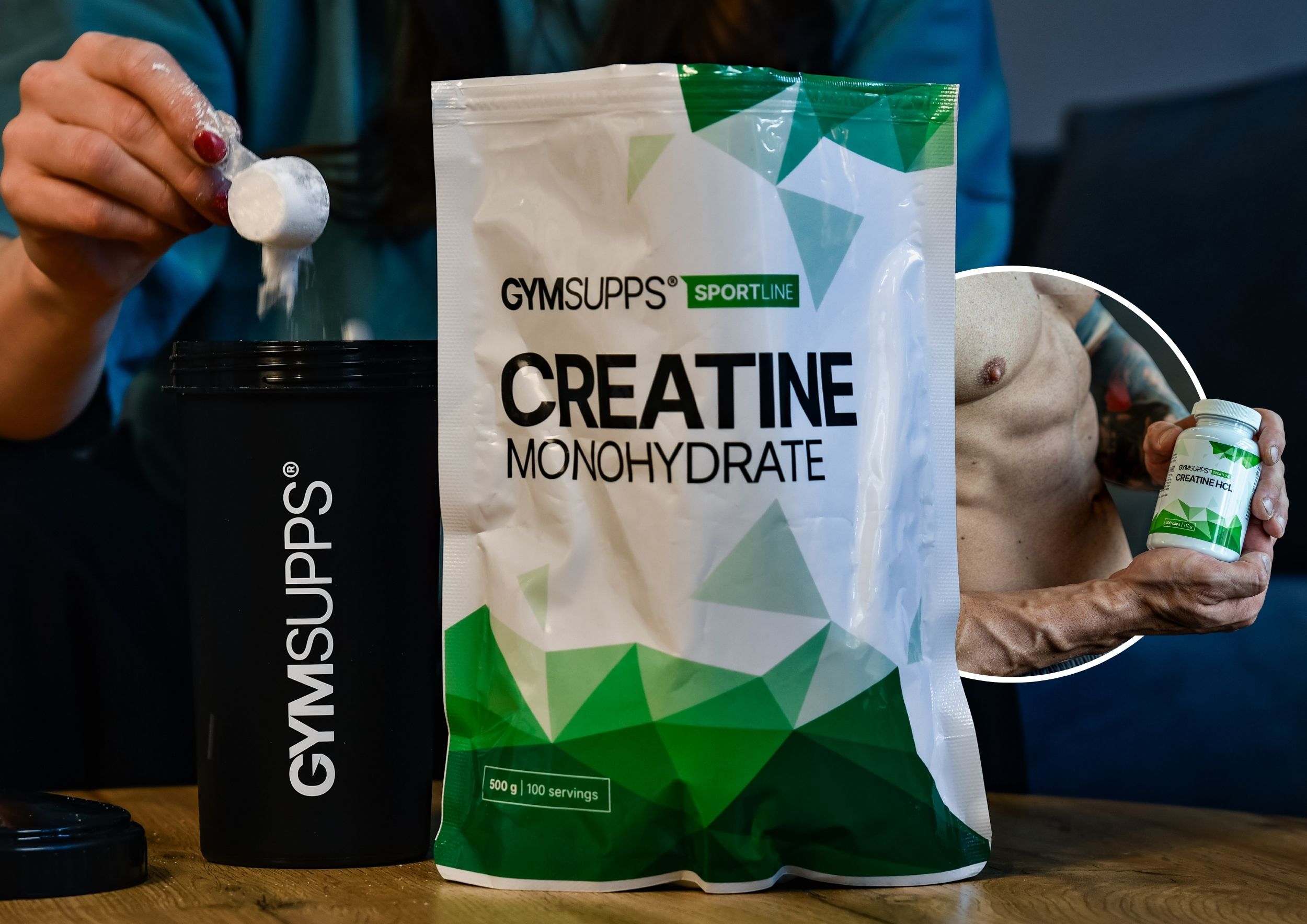
GymSupps Creatine Monohydrate

Creatine Monohydrate 500g 1+1
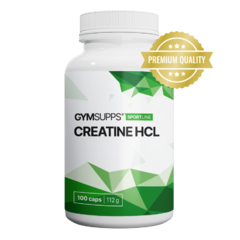
GymSupps Creatine HCL
Sources:
- 1: Kreider, R.B., et al. (2017). International Society of Sports Nutrition position stand: safety and efficacy of creatine supplementation in exercise, sport, and medicine. Journal of the International Society of Sports Nutrition, 14, 18. (Refers to the article "Common questions and misconceptions...")
- 2: Antonio, J., et al. (2021). Common questions and misconceptions about creatine supplementation: what does the scientific evidence really show? Journal of the International Society of Sports Nutrition, 18(1), 13.
- 3: Eslami, S., et al. (2024). Supplementing With Which Form of Creatine (Hydrochloride or Monohydrate) Alongside Resistance Training Can Have More Impacts on Anabolic/Catabolic Hormones, Strength and Body Composition? Annals of Applied Sport Science, 12(3), 1-8.
- 4: Candow, D.G., et al. (2025). The Effects of 8-Week Creatine Hydrochloride and Creatine Ethyl Ester Supplementation on Cognition, Clinical Outcomes, and Brain Creatine Levels in Perimenopausal and Menopausal Women (CONCRET-MENOPA): A Randomized Controlled Trial. Nutrients, 17(1), 205.
No posts have been made yet.