





Creatine and cognitive function: improve your thinking!
 Author:
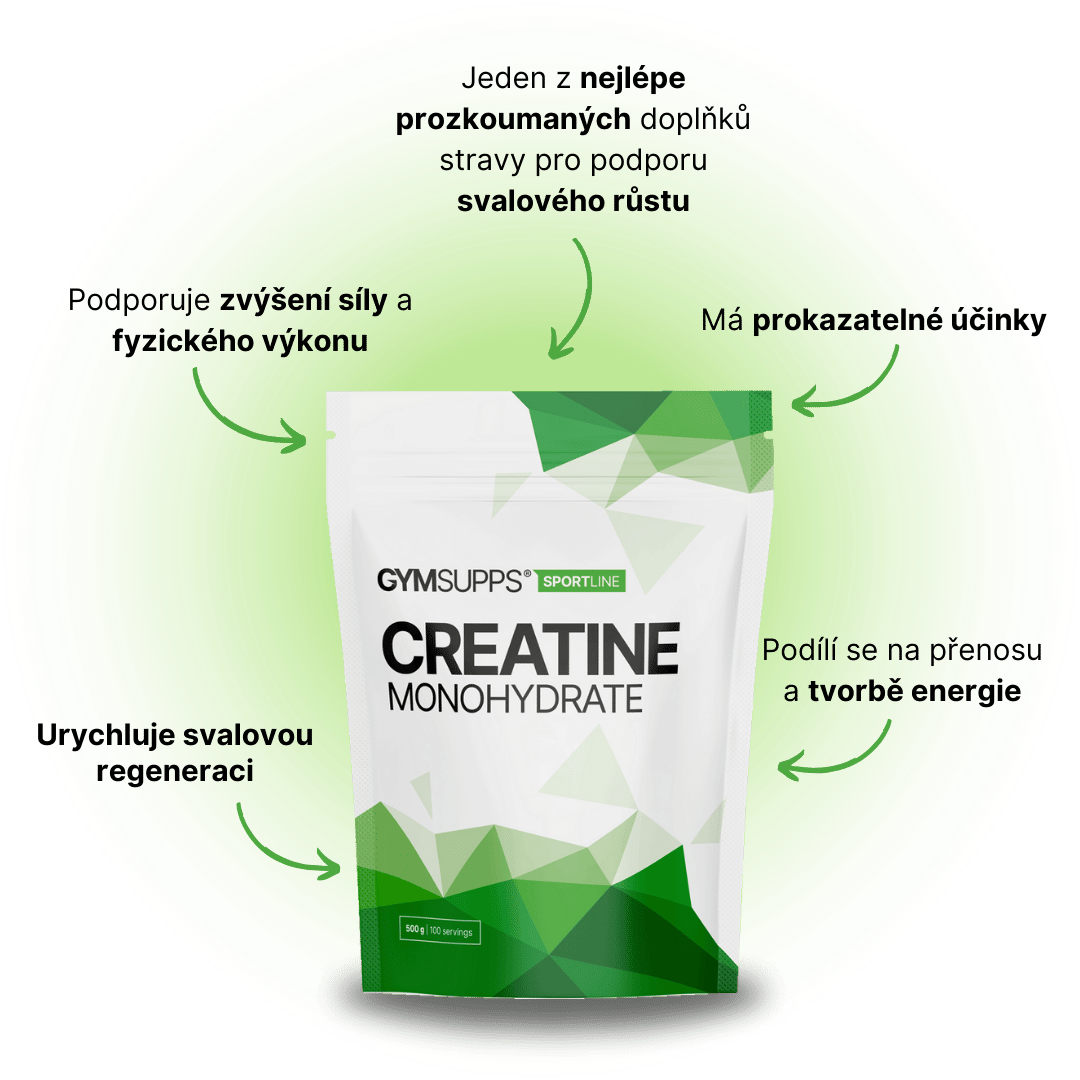
 When you say creatine, most of us picture muscular physiques in the gym lifting heavy weights. And yes, creatine is indeed a superstar in the world of sports nutrition, renowned for its ability to give muscles quick energy, increase strength and promote muscle growth. But what if we told you that this amazing helper also has the potential to strengthen your most important "muscle" - your brain?
In recent years, scientists have increasingly focused on the fascinating relationship between creatine and cognitive function. The results are more than promising and suggest that regular creatine supplementation could be one of the keys to a sharper mind, better memory and overall mental freshness. Let's dive into what the science says about this, and in a nice easy to understand way!
Article Content:
- Brain on full power: The energy factory in your head
- What do the studies say? Not just your muscles, but your brain gets stronger too!
- Creatine and the wisdom of old age: protection against cognitive decline?
- Conclusion: should you include creatine in your routine?
The brain at full power: The energy factory in your head
Think of your brain as a super-powerful computer that never sleeps. It processes a huge amount of information, manages all your bodily functions, solves complex problems and still manages to dream. Of course, this kind of operation consumes an incredible amount of energy. This is where creatine comes in.
Brain cells (neurons) use a molecule called adenosine triphosphate (ATP) as their primary source of energy. When you're thinking hard, studying for an exam, or trying to concentrate on a difficult task, the brain's ATP stores are quickly depleted. Creatine acts as such a quick power bank. It helps to replenish ATP levels in a flash, ensuring that your brain cells have enough "juice" to do their job.
What do the studies say? Not just your muscles, but your brain gets stronger too!
It's not just a theory. There is a growing body of scientific work that confirms the positive effect of creatine on cognitive function. A comprehensive review article published in the prestigious journal Nutrients summarizes that there is a "robust and compelling body of evidence" that suggests creatine may be beneficial for brain health.1
According to the authors of this study, creatine supplementation may improve cognitive processing, especially in situations where the brain is under stress. This may be the case, for example, when:
- Intense exercise
- Sleep deprivation (you know that feeling when you're struggling to function after a sleepless night?)
- Chronic conditions that affect the brain's energy metabolism.
Scientists even suggest that creatine could play a role in recovery from traumatic brain injuries. While more research is needed in this area to determine the ideal dosage, the data so far is very encouraging.
Creatine and the wisdom of old age: protection against cognitive decline?
Another interesting study focused on older adults. Researchers analyzed data from more than 1,300 seniors over the age of 60 and examined the association between the amount of creatine they ingested from their diet (primarily from meat and fish) and their performance on cognitive tests.2
The result? Participants who consumed more creatine performed significantly better on the tests. The study authors concluded that dietary creatine could act as a protective factor against age-related cognitive decline. This is great news because it shows us that even simple changes in diet or sensible supplementation can have a big impact on our mental health in later life.
Conclusion: should you include creatine in your routine?
The scientific evidence is becoming increasingly clear: creatine is much more than just a supplement for athletes. Its role in the brain's energy metabolism makes it an extremely promising substance for boosting cognitive function, memory, and overall mental performance. Whether you're a student studying for exams, a manager facing daily stress, or simply want to keep your brain in the best shape possible for as long as possible, creatine could be exactly the piece of the puzzle you've been missing.
Of course, as with any dietary supplement, it's important to pay attention to quality and recommended dosage. If you're considering including creatine in your diet, it's always a good idea to consult your doctor or nutritionist.
Investing in your brain is the best investment you can make. And creatine seems to be a great tool for that investment. So why not give your brain cells a little extra energy? They deserve it!
Recommended
GymSupps Creatine Monohydrate

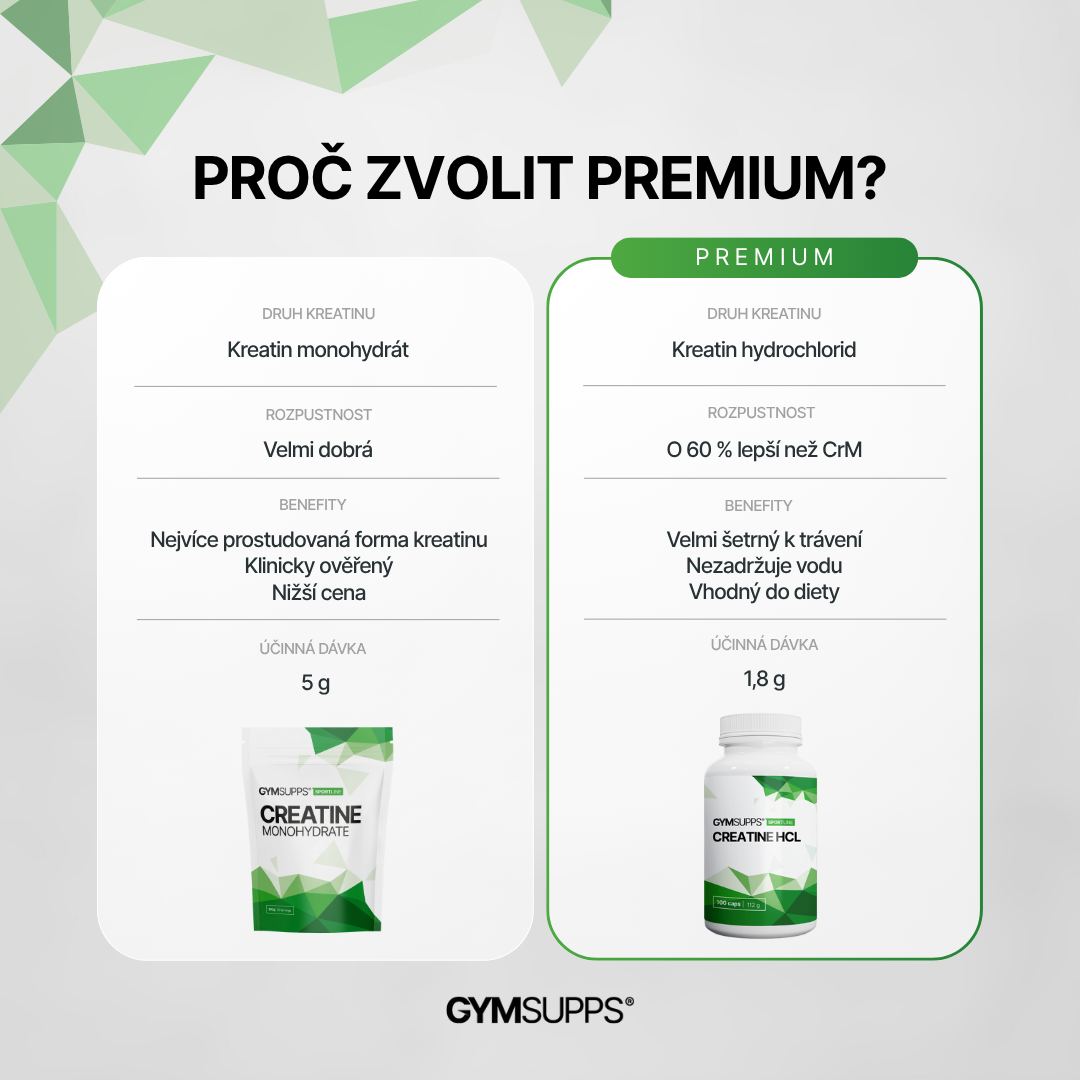
Creatine Monohydrate 500g 1+1
GymSupps Creatine HCL
Sources:
- 1) Roschel, H., Gualano, B., Ostojic, S. M., & Rawson, E. S. (2021). Creatine Supplementation and Brain Health. Nutrients, 13(2), 586.
- 2) Kious, B. M., Kondo, D. G., & Renshaw, P. F. (2021). Dietary creatine and cognitive function in U.S. adults aged 60 years and over. Aging, Neuropsychology, and Cognition, 28(4), 589-601.
No posts have been made yet.








