Top 5 products for an effective hormonal reboot after steroids
 Author:
 What dietary supplements are proven by studies to work to compare or restore hormones after discontinuation of anabolic substances?
After discontinuation of anabolic substances, the body finds itself in a challenging situation where its natural hormonal functions must readjust without external support. During use, the body acquires increased amounts of hormones and other substances that artificially increase physical strength, endurance or even accelerate muscle recovery. However, after withdrawal, there is a so-called 'hormonal slump', where levels of some key hormones may temporarily drop, with a wide range of effects, from a drop in energy, to reduced libido, to poorer mental well-being and increased fatigue.
Restoring hormonal balance is not a simple or quick process - the body may need weeks or months to find a new state of balance, which often requires not only careful management of physical activity, but also the right support in the form of diet and supplements. Properly chosen dietary supplements can support hormone restoration and help the body to "re-tune" to its natural state without added stimulants. These supplements can not only improve hormone production, but also boost energy, vitality, and facilitate recovery of the muscles and psyche, which can often be depleted after withdrawal of performance-enhancing substances. Below, we will take a closer look at the most effective dietary supplements whose effectiveness is backed by scientific studies and which have proven to be effective means of restoring natural hormone balance.
"This article does not support or promote the use of anabolic steroids. Anabolic steroids can have serious side effects on health and their use without medical supervision is not only dangerous but also illegal in many countries.
Our goal is to provide useful information for those who are already facing hormonal imbalances due to the use of these substances and are looking for safe and informed ways to support the restoration of natural hormonal health."
1. Ashwagandha (Sensoril® or KSM-66®)
Ashwagandha (Withania somnifera), known as one of the most important adaptogens, has a long history of use in Ayurvedic medicine, where it is used for its wide range of effects on the nervous and endocrine systems. The effect of ashwagandha is particularly valuable for people undergoing hormonal changes after withdrawal from performance-enhancing substances, when the body faces fluctuations and fluctuations in levels of key hormones.
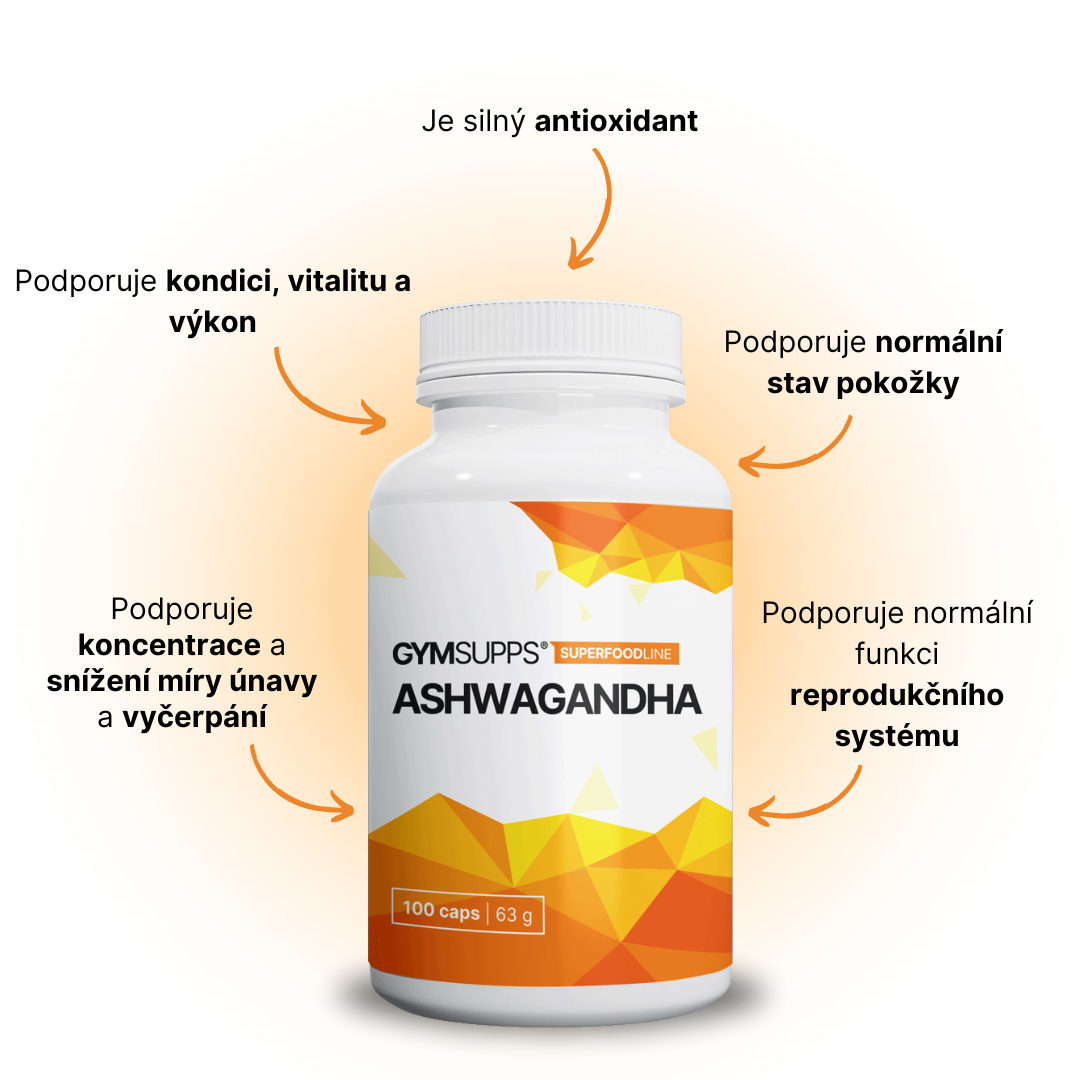
The primary effect of ashwagandha lies in its ability to reduce levels of cortisol - the main stress hormone produced by the adrenal glands. High levels of cortisol can result in decreased testosterone levels, impaired sleep quality, increased inflammatory processes in the body and a negative impact on muscle recovery. By reducing cortisol, ashwagandha helps to alleviate these negative effects, thereby contributing to better hormonal recovery and stabilizing testosterone levels. This natural restoration of testosterone production is essential not only for maintaining physical energy, but also for mental well-being and maintaining muscle mass.
Most clinical studies use standardized ashwagandha extracts such as Sensoril® or KSM-66®, which provide high levels of active ingredients, specifically withanolides. This standardization is key to achieving consistent and predictable effects, as the active ingredient content can be variable with common, non-certified extracts. KSM-66®, for example, is a full-spectrum bioactive ingredient focused extract with an emphasis on higher withanolide content, which is considered effective for hormonal optimization and stress management.
Studies suggest that ashwagandha can increase testosterone levels by up to 15%, which is especially significant for men with low or borderline levels of this hormone. Increases in testosterone are often accompanied by other positive effects such as improved muscle recovery, increased stress resistance and improved sleep quality, factors critical to restoring hormonal balance after withdrawal from performance-enhancing substances. Recommended doses range from 300 to 600 mg per day, with optimal administration in the evening before bedtime. Nocturnal dosing supports the natural cortisol rhythm, thereby aiding in better sleep and recovery.
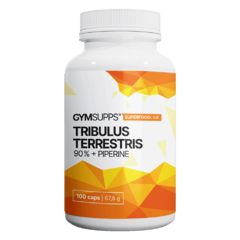
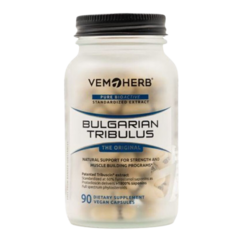
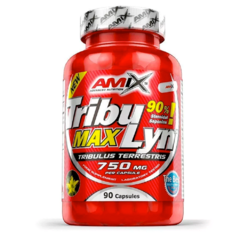
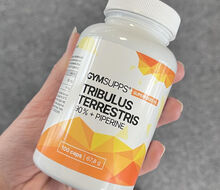
2. Tribulus Terrestris
Tribulus Terrestris is a plant used in traditional medicine for centuries, especially for its alleged positive effects on sexual health and hormonal balance. Today, Tribulus Terrestris is a popular supplement especially among athletes and people seeking to naturally support testosterone levels and increase libido. Its active ingredients, which include mainly steroidal saponins (especially protodioscin), are considered to be a key factor that can influence hormonal activity in the body.

Research suggests that Tribulus Terrestris may have a positive effect on the production of luteinizing hormone (LH), a hormone produced by the pituitary gland. Luteinizing hormone plays an important role in regulating testosterone production in the Leydig cells of the testes in men, while in women it stimulates ovulation and sex hormone production. Increased LH production, supported by Tribulus Terrestris supplementation, can lead to an increase in both free and total testosterone levels in men, which is crucial for maintaining optimal hormonal balance, muscle growth, and promoting overall vitality.
Although not all studies on this topic are conclusive and some suggest that the effects may be dependent on the individual body's response, there is evidence of a slight increase in testosterone levels in men with lower natural production of this hormone. However, it should be mentioned that the effects of Tribulus Terrestris on healthy individuals with optimal testosterone levels may not be as pronounced.
For optimal results, it is recommended to take standardized Tribulus Terrestris extracts in doses between 500 to 1500 mg per day. It is usually recommended to take a dose before physical activity, which can boost energy levels during training or in the afternoon when energy naturally decreases. The supplement can also be part of the recovery phase in the long-term effort to restore hormonal balance after withdrawal of performance-enhancing substances.
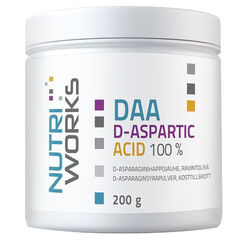
3. D-Aspartic Acid (DAA)
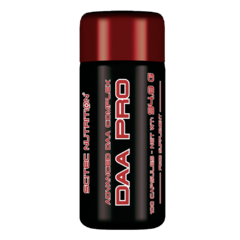
D-aspartic acid (DAA) is a non-essential amino acid that occurs naturally in the human body and plays an important role in the functions of the endocrine system, particularly in relation to the production of sex hormones. From a biochemical point of view , DAA is key in the regulation of luteinizing hormone (LH) synthesis in the pituitary gland, a hormone that stimulates Leydig cells in the testes to produce testosterone. This mechanism makes DAA a popular dietary supplement for individuals seeking a natural boost in testosterone production, especially after withdrawal from performance-enhancing substances.
DAA acts as a modulator of signaling pathways that affect LH production, which may secondarily increase testosterone levels. It has been shown that short-term use of DAA can lead to an increase in both free and total testosterone levels, which supports anabolic processes and may contribute to improved physical and mental fitness. This effect is particularly beneficial for men with lower testosterone levels or for those who, after withdrawal from stimulants or performance enhancing substances, need to stimulate endogenous hormone production to restore hormonal balance and stabilize metabolic processes.
The recommended dosage of DAA is around 3 grams per day, usually for 2-3 weeks, which corresponds to cyclical use followed by a break. This intermittent use approach is important to prevent potential tolerance that could reduce the effectiveness of supplementation. After a two-week break, the cycle can be repeated, allowing the body to respond to natural LH stimulation without unwanted adaptation.
DAA use is also associated with benefits for physical performance, endurance and recovery, as higher testosterone levels contribute to faster muscle recovery and overall vitality. Studies suggest that this amino acid may also help with boosting energy and mood, which are key factors in maintaining motivation during the period when the body is adapting to new hormonal conditions after stimulant withdrawal.
4. Zinc and magnesium
Zinc and magnesium are essential minerals that are crucial for maintaining optimal hormonal balance and overall health. Their deficiency can lead to undesirable reductions in sex hormone levels, impaired immune function and impaired recovery, which are key factors especially for athletes and individuals trying to restore hormonal balance after withdrawal from performance enhancing substances.
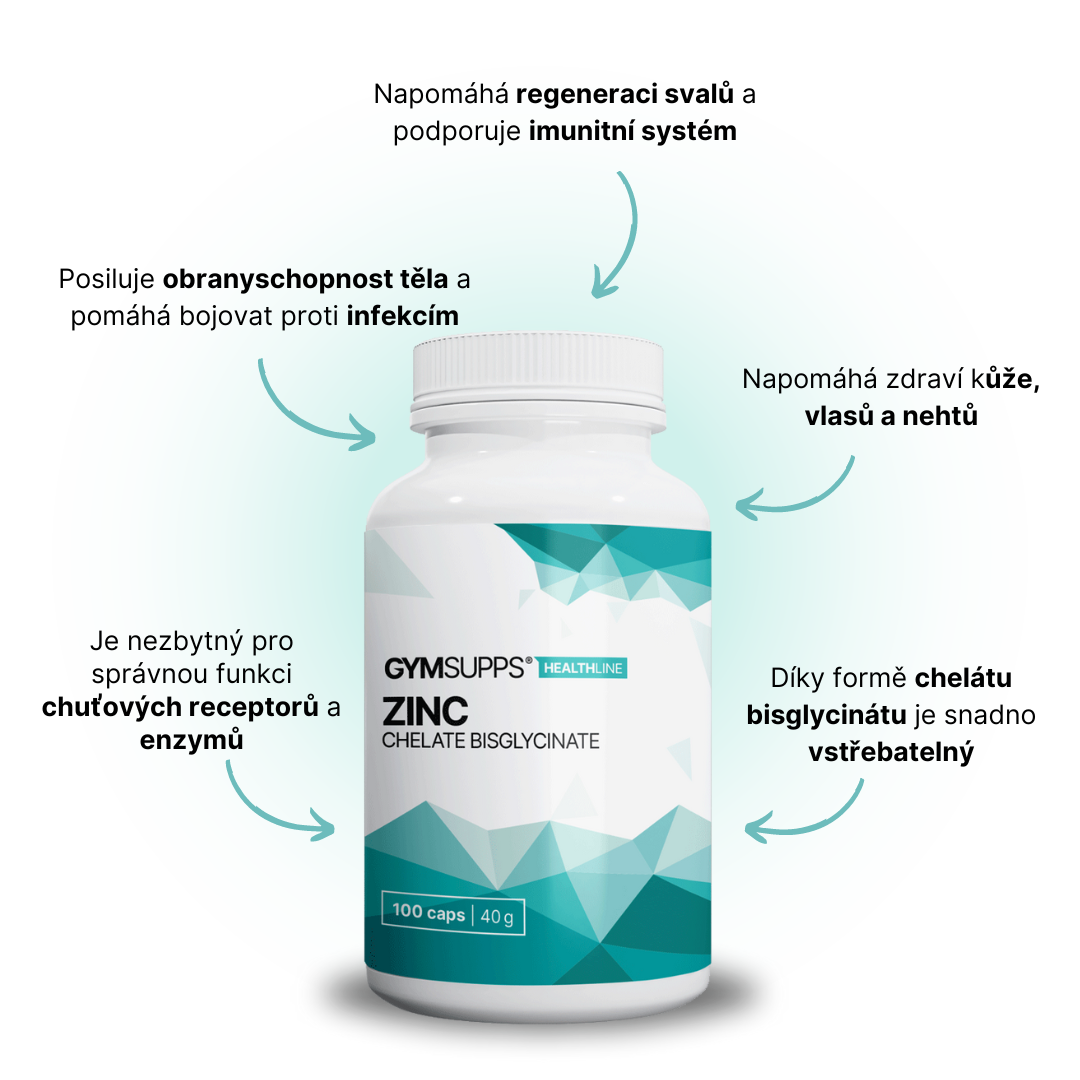
Zinc plays an indispensable role in the synthesis of testosterone and other steroid hormones. This mineral functions as a cofactor for many enzymes involved in hormone synthesis, including the enzymes responsible for converting cholesterol to testosterone in Leydig cells. Research shows that zinc deficiency can lead to inhibition of testosterone production and a decrease in the overall level of this hormone in the blood, which has a negative impact on anabolic processes, muscle strength and libido.
Adequate zinc intake is key to supporting natural endogenous testosterone production, which is especially crucial after stimulant withdrawal, when the body needs to restore its own hormonal activity. The recommended daily dose of zinc is around 30mg, and taking it in the evening can support sleep quality and recovery.
.png)
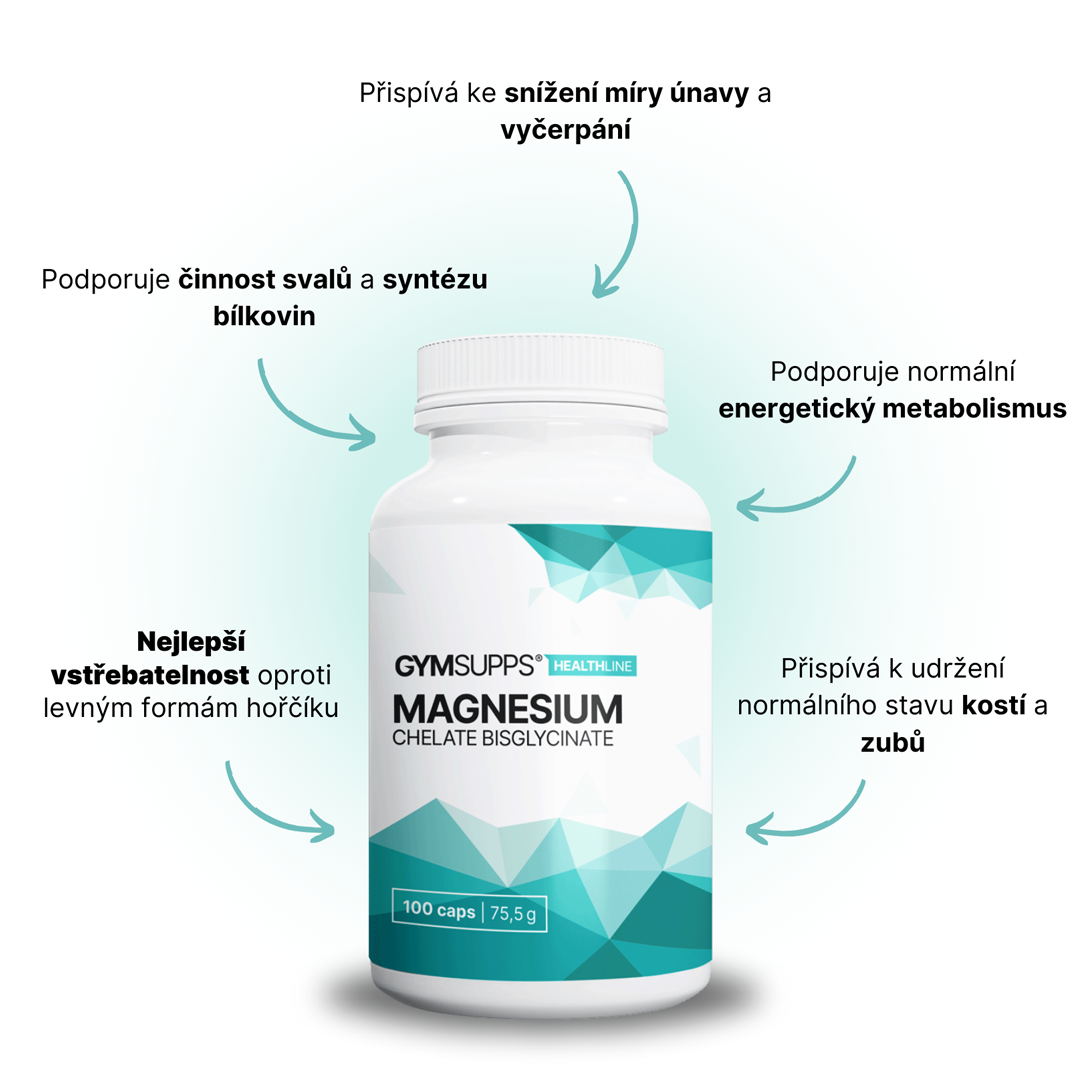
Magnesium is another essential mineral with a multifaceted effect that is critical for muscle relaxation, nervous system and tissue regeneration. Magnesium plays a role in the regulation of calcium in cells and is essential for proper contraction and relaxation of muscle fibers, thus contributing to the prevention of muscle spasms and stiffness. It is also crucial for maintaining electrolyte balance, which is important during physical exercise and during recovery.
In addition, magnesium has a positive effect on the nervous system, where it acts as a natural relaxant and contributes to improved sleep quality, which has a secondary beneficial effect on the production of testosterone and other hormones during nighttime recovery. Studies show that magnesium deficiency can reduce free testosterone levels and cause hormone imbalances, which is especially undesirable for individuals who are focused on optimizing endocrine function. The recommended dose of magnesium for an adult is around 400 mg per day, ideally in the form of a well-absorbed chelate such as citrate or glycinate.
The combination of these two minerals has been shown to be effective in optimizing endocrine function, both for maintaining high testosterone levels and for overall support of recovery and physical performance. Taking zinc and magnesium in synergy in the evening, or as part of a ZMA formula (zinc, magnesium and vitamin B6), helps the body recover effectively during sleep, which is crucial for restoring hormonal levels after withdrawal of performance stimulants.

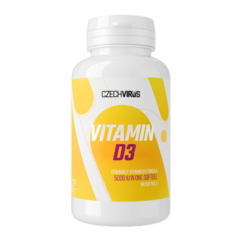
5. Vitamin D
Vitamin D, sometimes referred to as the "sunshine vitamin," is a key element in maintaining hormonal balance, especially when it comes to optimizing testosterone levels. This vitamin is not just a traditional micronutrient, but acts as a prohormone in the body, which means it influences a wide range of endocrine functions. Its active form, calcitriol, interacts with receptors in various cells of the body, including muscle and immune cells, and thus promotes healthy hormone signalling.
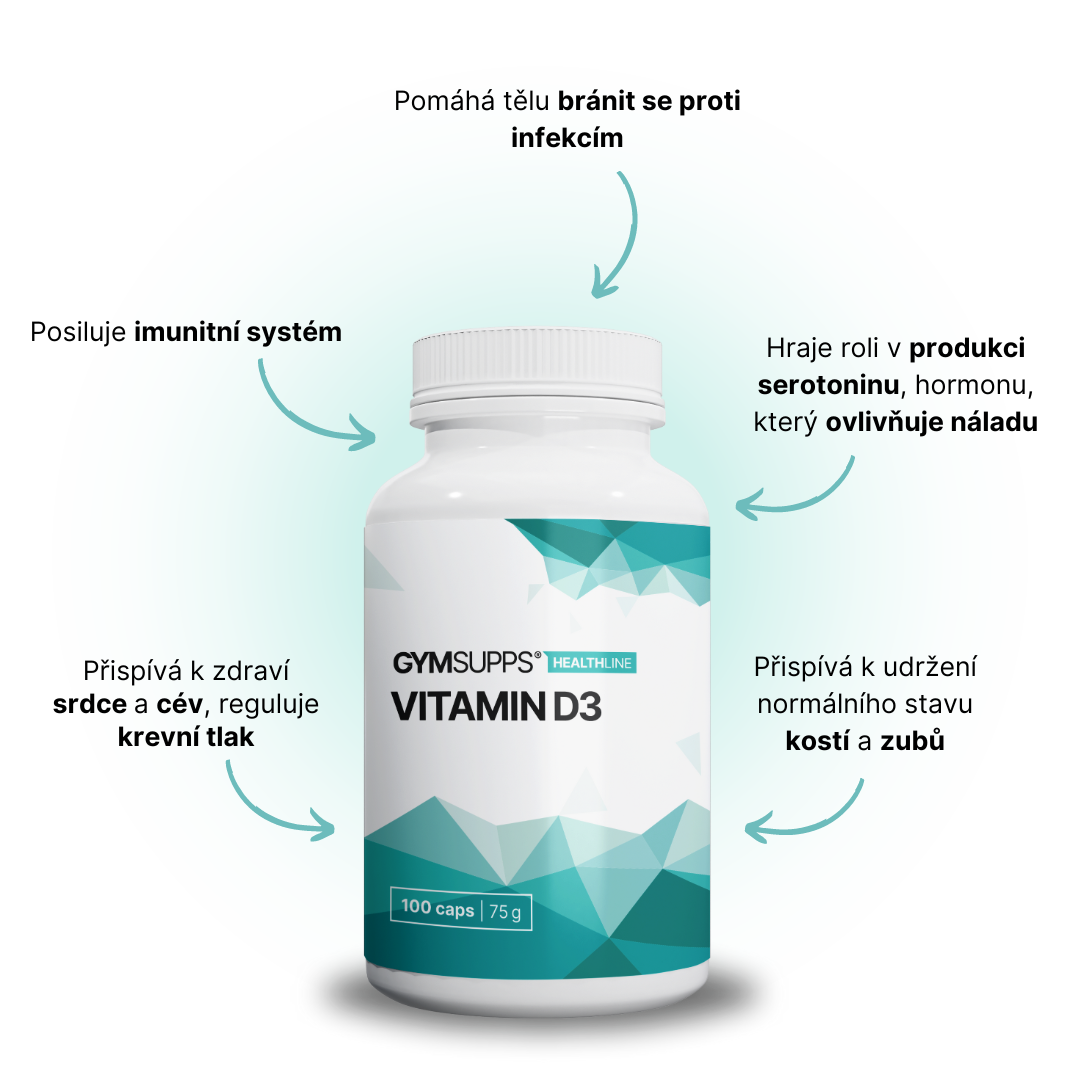
Research shows that vitamin D has a direct effect on testosterone levels, a hormone essential for muscle growth, recovery, energy levels and overall vitality. Studies confirm that people with lower vitamin D levels often also have reduced testosterone levels, which can lead to side effects such as fatigue, decreased libido, reduced muscle mass and a higher risk of mood disorders. For this reason, vitamin D supplementation is considered especially important during the winter months when there is less sunlight, which is the main source of this vitamin.
Daily doses of vitamin D usually range between 2000 and 5000 IU (international units), with the optimal dose depending on individual needs, which may be influenced by factors such as age, weight, lifestyle and geographical location. Consultation with a doctor or specialist is therefore crucial, as too high doses of vitamin D can be counterproductive and in some cases even cause toxicity.
Vitamin D not only has a direct effect on testosterone, but also contributes to overall bone health, immune system and cardiovascular health, areas that can be affected by hormonal changes and need strong support when recovering from stimulant or steroid withdrawal.

Conclusion
Restoring natural hormonal balance after discontinuation of anabolic steroids is a complex process that can take weeks to months and requires a careful approach aimed at supporting the endocrine system. The body must adapt to the sudden drop in exogenous hormones and gradually restore natural production of testosterone and other hormones, which can be quite challenging for the body. During this period, the dietary supplements mentioned above can provide targeted support, whether it is to optimize hormone production, improve recovery, or alleviate negative symptoms such as fatigue, a decrease in libido, or a decrease in muscle mass.
However, it is essential to remember that dietary supplements are not all-powerful and are not a substitute for an overall healthy lifestyle. A balanced diet rich in all key nutrients, quality protein, healthy fats and sufficient vitamins and minerals, which provide the building blocks for hormone synthesis and cell renewal, plays an important role in restoring hormonal balance. Sleep and rest are also key factors, as during deep sleep a significant part of hormone regeneration takes place when the body produces growth hormone and rebuilds damaged tissues.
Physical activity, especially strength training, is also important to stimulate the production of testosterone and other anabolic hormones, but in the period after steroid withdrawal should be tailored to current fitness and energy levels. Too much intense training, on the other hand, can lead to an increase in cortisol levels, which can further upset the hormonal balance.
In addition, it is advisable to seek consultation with a physician or qualified professional who can perform blood tests to determine current hormone levels and identify any deficiencies. The specialist can suggest a tailored course of action and recommend specific measures or supplements that will be adapted to individual needs and health conditions. This personalized approach is key to minimizing the risks associated with hormonal fluctuations and to safely and effectively restore natural hormonal balance.
No posts have been made yet.