





Diseases caused by breast implants - what do we (not) know about them?
 Author:
 Breast implant illness is a term referring to a set of symptoms and ailments described by breast implant owners. Breast implants are not only an aesthetic concern, but also an intervention in the body that can cause adverse reactions and problems. In this article, we will take a closer look at this issue, both from the patients' side and from scientific studies.
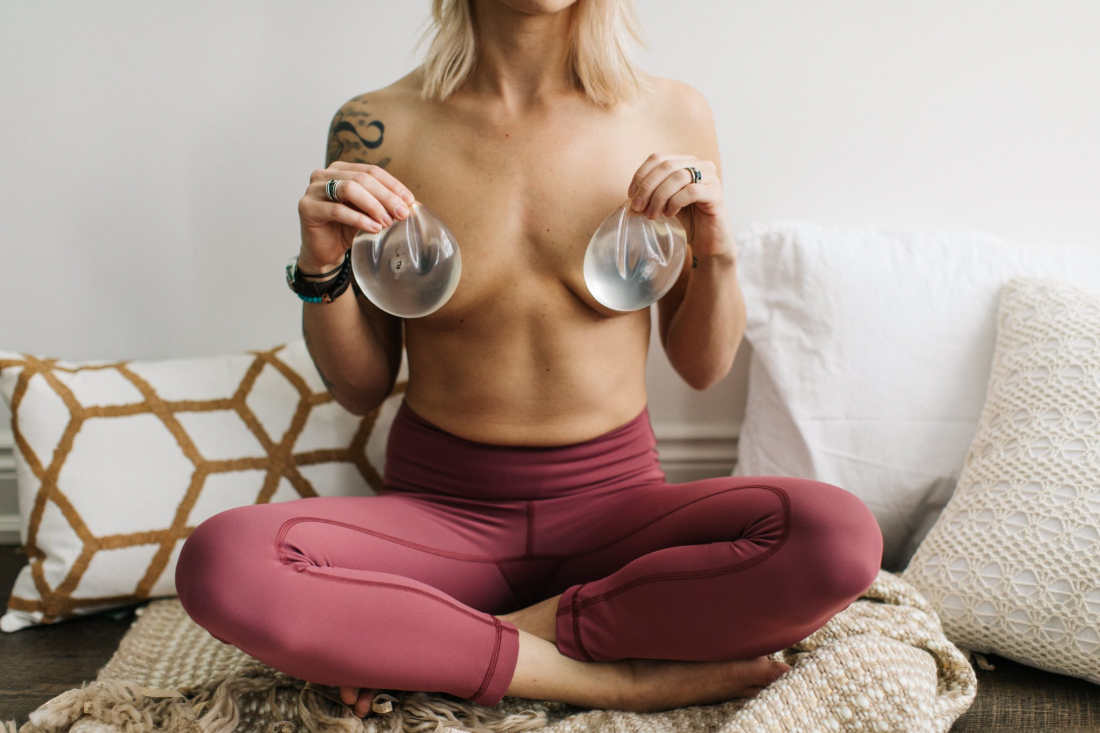
What is meant by breast implant disease?
Breast implant illness (abbreviated BII) can occur with any type of breast implant, whether it is silicone gel-filled, saline-filled, smooth, textured, droplet-shaped or round. Each individual may have different symptoms of BII, some may experience symptoms immediately after surgery, others may experience symptoms years later. Currently, BII is not yet recognized as an official medical diagnosis, there are no commonly used diagnostic tests or criteria for it, and more extensive studies need to be done before it receives its own diagnostic code.
Briefly, breast implant diseases can be divided into several categories:
- central nervous system diseases - headaches, memory and concentration problems, migraines, dizziness.
- musculoskeletal - muscle and joint pain, slow muscle recovery after exercise, numbness or tingling in the limbs
- immune - autoimmune diseases, infections, food allergies and intolerances, lymph nodes
- digestive - liver, kidney and gallbladder problems, weight gain/loss
- skin - rashes, hair loss, dry hair and skin
- psychological - depression, anxiety, chronic fatigue
- cardiorespiratory - shortness of breath, palpitations, arrhythmias
Besides BII, other complications can occur with breast augmentation with implants:
- capsular contracture - the body's natural reaction is to form a thin connective tissue sheath around the implant, but in some cases the body reacts by forming a stiff and rigid connective tissue sheath, which may also begin to contract, leading to breast pain and implant deformity. Placing the implant under the muscle reduces the risk of capsular contracture by approximately 40%, compared to placing the implant under the mammary gland. This reaction is least likely to occur with implants coated with micropolyurethane or microtextured surfaces. The milder form of capsular contracture can be treated with medication and massage, the more severe form only surgically.
- Infection - infection can be caused by a lack of sterile environment, improper wound care or bacteria living in the sebaceous and sweat glands. More severe inflammation is dealt with by removing the implant and putting on antibiotics.
- Rupture - rupture of the implant can occur through wear and tear over time or through trauma. The average lifespan of state-of-the-art breast implants is 15 years; the FDA recommends replacing implants after 10 years. The surface of the implant will gradually wear and weaken, and minor damage or cracks may appear on the implant without any apparent external cause. In the event of a rupture, the implant must be removed and replaced.
- Implant rotation - anatomical implants may shift due to sports, impact, etc., causing asymmetry and deformation of the breast. Implant rotation can occur at any time, but the first weeks to months after surgery are the riskiest. Implant rotation is resolved by reoperation.
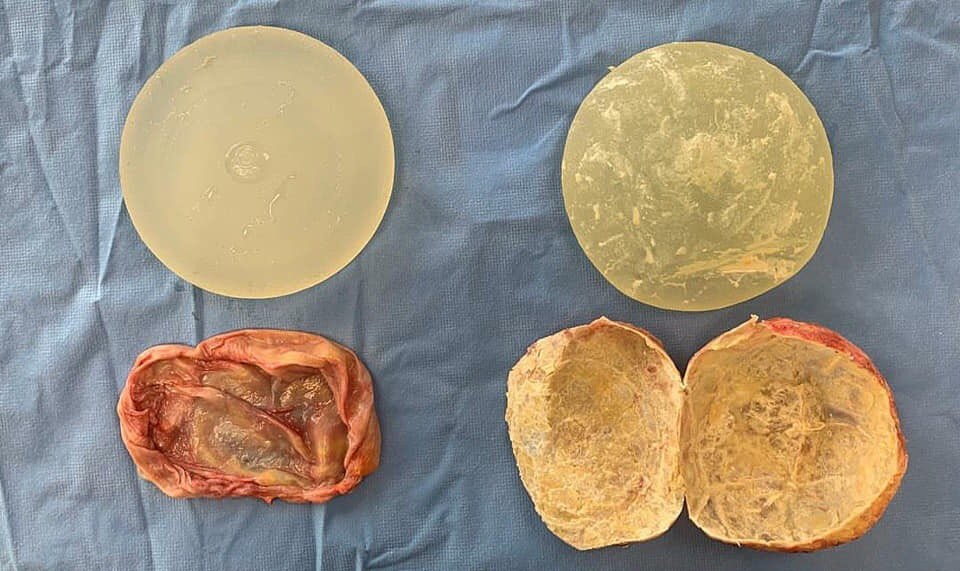
Social media has helped raise awareness of this issue
Breast implant diseases have been around as long as the implants themselves, and social networks have helped raise awareness; for example, the instagram profile breast_implant_illness contains over 3,600 posts of stories from women who have experienced these problems, as well as comments and experiences from doctors; 82,000 people follow the profile. The Facebook group Breast implant illness and healing by Nicol has 160 thousand members. In the Czech Republic, this topic is not talked about much yet, it receives attention mainly abroad, but it can be expected that the awareness of BII will gradually spread in the Czech Republic, already now on instagram and youtube we can find experiences of women from our country. It is worth mentioning, for example, the Czech instagram profile breast_implant_illness_czech.
Doctors' opinions vary
As far as doctors are concerned, they can be imaginatively divided into two groups - some take BII seriously, listen to patients, look for connections and, if no other cause is found, recommend removing the implant. Others consider BII to be the result of media campaigns or a psychological problem - that the problem is in the patient's head and mindset. But also, what are plastic surgeons to believe when their own livelihoods are at stake and by acknowledging this issue they could lose a significant part of their clientele, as many women are put off by information about health complications. In any case, every surgery should be preceded by a consultation that thoroughly and clearly informs the patient about the possible risks of the procedure.
Studies conducted
Several studies have been conducted on the topic of BII, and we summarize the most extensive ones below.
One study followed 750 women who underwent implant removal due to BII symptoms for 1 year, in 2017-2018; results showed both immediate and sustained improvement in BII symptoms after breast implant removal.
Further research has focused on comparing the data of smaller studies conducted to date that have looked at improvements in health status following removal of silicone implants. Improvement in difficulties attributed to the implants occurred in approximately 75% of patients. A possible reason for the improvement after removal of implants may be a decrease in the body's immune response [2].
In 2018, a very large study was conducted that examined nearly 100,000 respondents with breast implants. It looked at the link between breast implants and certain rare diseases, autoimmune disorders, and other conditions. The study from the University of Texas noted a two to eight times higher frequency of Sjogren's syndrome, rheumatoid arthritis, scleroderma and melanoma in women with implants compared to the general population. Histological analyses reveal infiltration of inflammatory cells into the tissues surrounding the implant, which may be a trigger for the development of BII symptoms.
More articles and studies in English can be found here.
Recommended

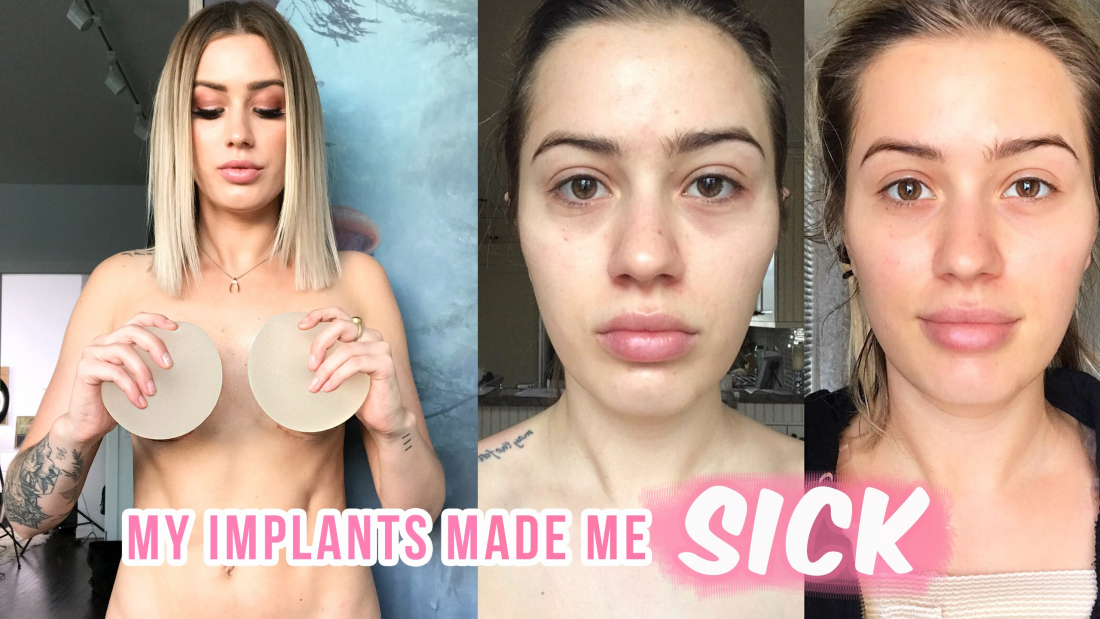
Stories of women describing BII
As we are a fitness and healthy lifestyle site, we'll feature stories from women in the industry as a sample. These women, for example, had their breasts augmented for competition and subsequently struggled with health issues and were only helped by having their implants removed.
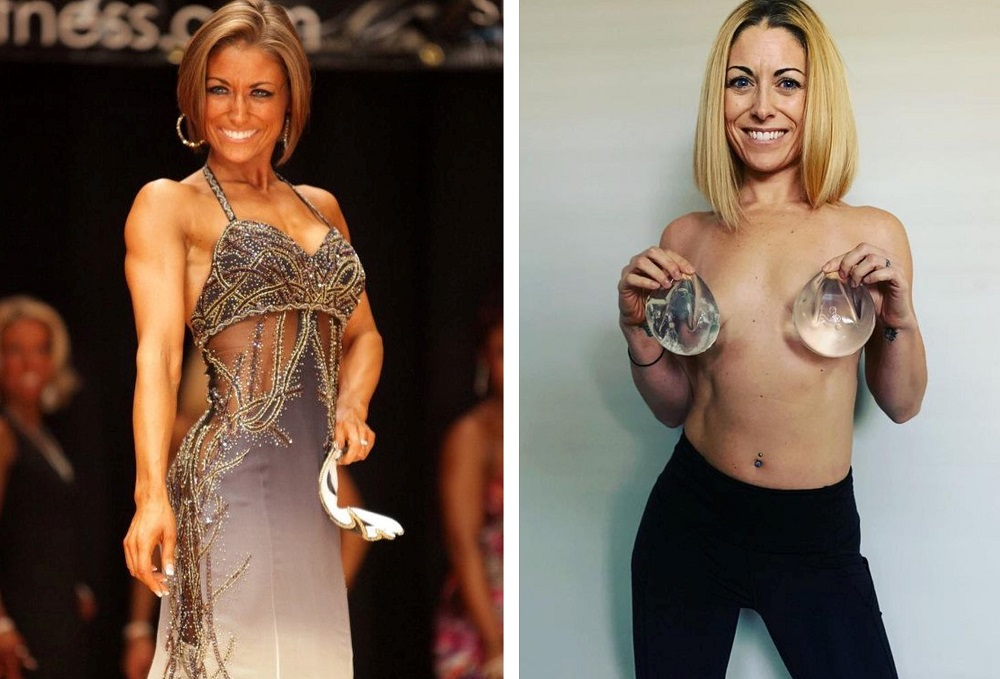
Karen Monetti
- Winner of the 2011 Pro Natural Universe and Pro Natural World competitions, fitness trainer, nutritionist, she chose Saline implants
In her mid-twenties, Karen began to develop severe acne, attributing it to competition and hormone imbalances, and was later diagnosed with celiac disease and a milk allergy. A few years after that, she developed kidney dysfunction, skin problems, weight gain and recurrent urinary tract infections, all within a year. She woke up with constant pain and fatigue.
"Even though I was doing everything right, being active, eating organic food and consulting doctors, I didn't get rid of my health problems."
She was led to the idea that it could be BII by her husband when he tagged her in a Facebook post discussing the issue. She subsequently joined a group about BII, where she met many women with the same problems. In that group, she also found a referral to a surgeon who subsequently removed her implants. Within a week of the surgery, she began to feel an improvement in her lung capacity, her joint pain disappeared and her bloating improved. Since then, she has felt better every day and her health has improved. However, she admits that the cosmetic changes to her body affected her psyche, as the skin on her breasts was stretched and scarred after the implants were removed and needed to heal. She adds that everything can be overcome, health is a priority and a woman is not defined by the size of her breasts.
Sia Cooper
- fitness trainer and nutritionist who likes to show women that there is a gap between reality and perfect Instagram photos, she chose implants filled with silicone gel
After she lost over 20 kilograms, her husband (now ex) teased her that her breasts were small and she should get them enlarged to make her more attractive to him. So in 2011 she decided to have implants inserted. About 2 years later she developed extreme fatigue, severe acne, depression, mood swings, her hair was falling out and she started gaining weight. As a nurse, she was skeptical about BII, but doctors and tests revealed no other cause, and the deeper she delved into the subject, the more certain she became that implants were the cause of her problems. She decided to have them removed in 2018.
"I feel much better than I ever have before, and that's only because I listened to my body's signals and addressed them."
Within 4 weeks of having her implants removed, her acne and fatigue disappeared, her severe hair loss stopped, she lost weight and her mental state improved.
She states that it is not possible for tens of thousands of women to have a BII problem only in their head and appeals to doctors not to hide the real risks to women before surgery.
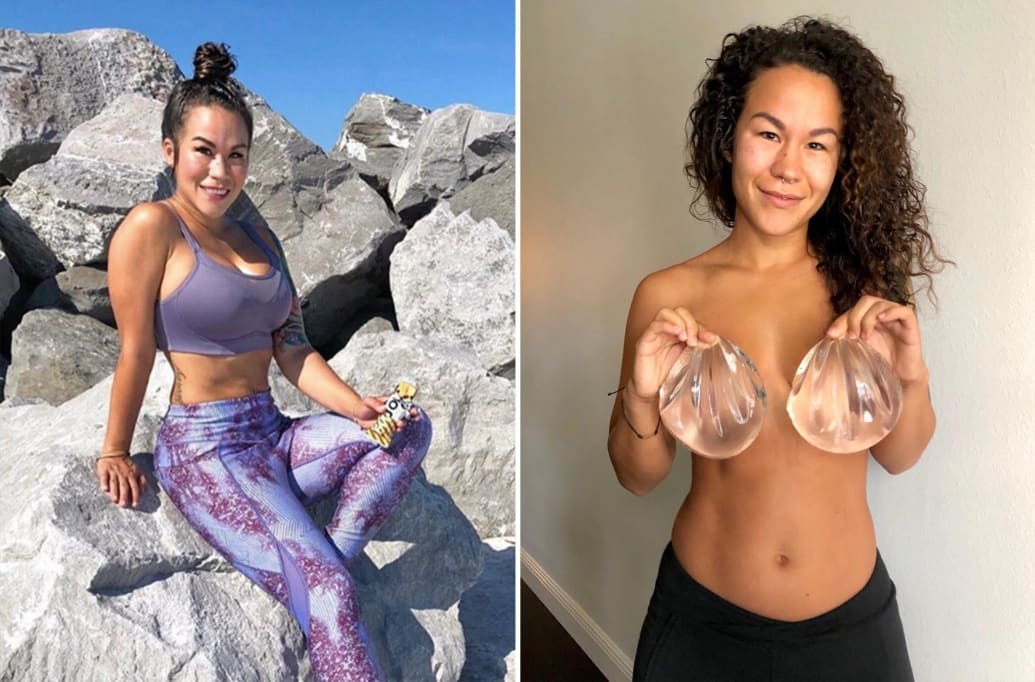
Cath Bastien
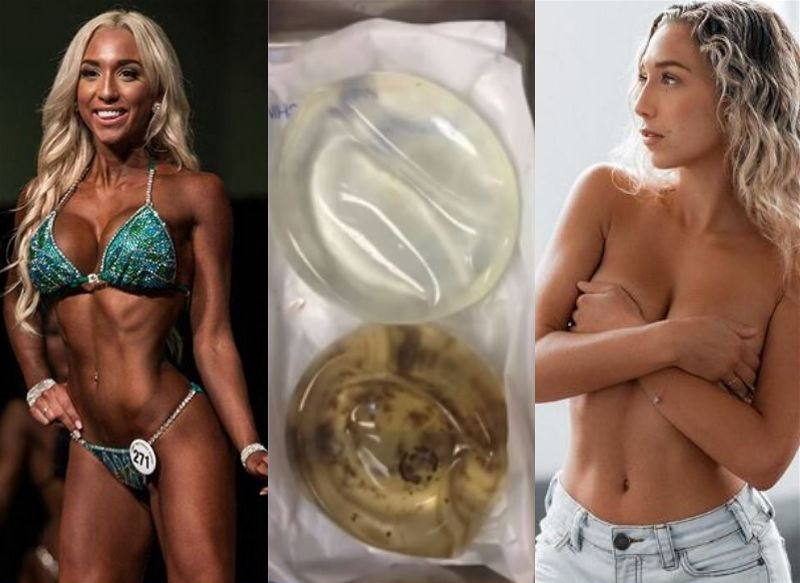
- bikini gymnast, trainer, nutritionist, opts for saline-filled Mentor implants
She opted for implants in 2015 at the age of 21 due to competing in bikini fitness. Her health started to deteriorate a year after the implants were inserted, at first she attributed it to competing and family problems, but her health was getting worse, even though she was eating enough and healthy, exercising and getting quality sleep. She was constantly tired, anxious, suffered from headaches and stomachaches and swollen lymph nodes. Her problems had been going on for 3 years, she had visited renowned doctors, but no advice from them had improved her health, and according to tests everything was normal. Finally in 2018 she decided to have the implants removed.
"I felt like an 80-year-old woman trapped in the body of a 24-year-old woman."
She began to feel an improvement in her health and mental state within weeks of having her implants removed.
Her message to other women is that they should realize that health is the greatest blessing and is much more than just breast size.
Bottom line
Silicone breast implants have undoubtedly improved the lives of many women around the world, helped to boost their self-esteem, opened the way to better job opportunities or made them more competitive in fitness competitions or other beauty pageants. Many of them have also endured surgery and the presence of implants in their bodies without difficulty. Women primarily deal with the aesthetic and financial side of the matter - how many milliliters of silicone to choose and how much it will cost, however, it is important to remember that there are two sides to every coin and it is definitely worth taking into account the health aspect of this surgery and account for the risks that may occur. If you are an implant owner and you have been struggling with health problems for a long time and you and your doctors can't figure out the cause, you may have just found it thanks to this article.
Image and information sources: breastcancer.org, fda.gov, healthline.com, muscleandfitness.com, pubmed, angelcompetitionbikinis.com, Karen Monetti, Sia Cooper, laurendamarie.com
No posts have been made yet.








