





Cupping - exaggerated suffering or a really effective method for promoting regenerative processes?
 Author:
 The flask method has been used in China and other Asian countries for centuries, but has only become popular in other parts of the world in recent years. This seemingly drastic looking therapy can have several important benefits for our bodies. Aside from being very effective for relaxing sore or stiff muscles, it can also help with better blood circulation, boost immune function, can facilitate the treatment of complicated injuries, and the benefits are far from ending there. Let's take a look at the cupping technique a little closer today, and we hope that if you haven't found the courage to go for cupping therapy yet, after today's article you'll want to remedy that.
Article content:
- Theoretical window - what is cupping?
- How do flasks work and what are the types?
- The biggest benefits of cupping therapy
Theoretical window - what is cupping?
In China, flask therapy is considered a special healing skill and its art has been passed down from generation to generation. Ancient texts state that cupping was originally used by Taoist medical herbalists and was a popular way of treating sick members of the royal family and elitists. Later, however, therapists used cupping to successfully treat various symptoms and diseases that could not be cured by conventional methods. These included pulmonary tuberculosis, colds, back pain, muscle spasms and pinched nerves.
Cupping has also traditionally been used for patients with blood disorders (such as anemia), rheumatic diseases (such as arthritis), fertility problems, and has even been used in the treatment of mental illness. In Asian countries, cupping has been used for a really long time, but in Europe or the USA the technique has only started to gain popularity in the last few years. Cupping is used extensively by elite and recreational athletes, people with various muscle ailments, but it can also be useful for alleviating the symptoms of cellulite or treating varicose veins.
Various studies have reported that cupping therapy can be a safe part of the treatment of health complications, which include:
- Respiratory tract infections
- Disorders related to blood circulation, such as anemia and hemophilia
- Joint pain caused by arthritis and fibromyalgia
- Migraine and tension headaches
- Muscle pain and stiffness
- Gout
- Fertility and gynaecological disorders
- Skin problems such as cold sores, eczema and acne
- High blood pressure (hypertension)
- Mental disorders, anxiety and depression
- Asthma
- Varicose veins and cellulite
How do flasks work and what are the types?
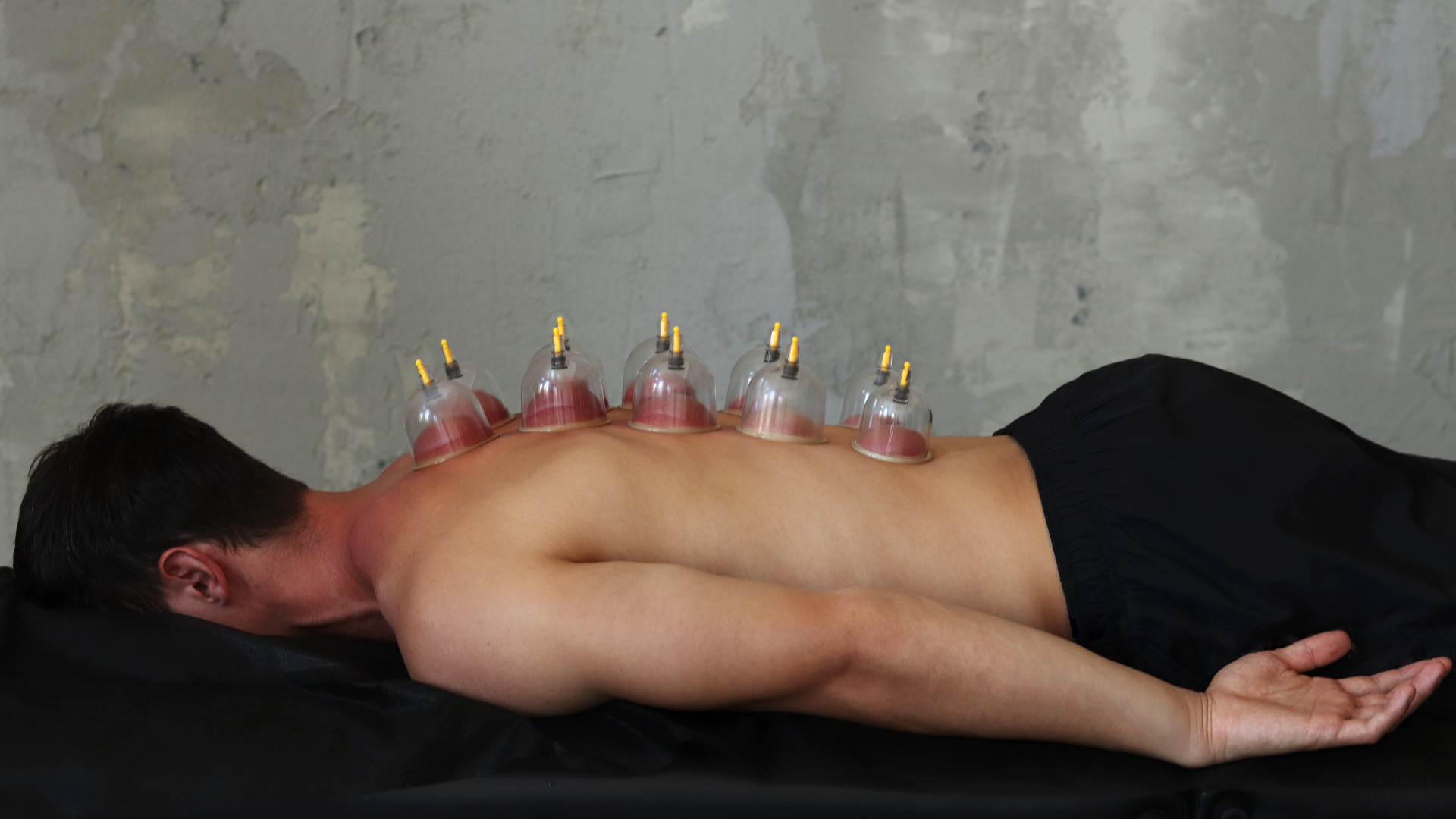
The basic technique of cupping involves the therapist placing "cups" on different parts of the body (most commonly the back, shoulders or hips) and using a pump to press them onto the skin. In the past, flasks of different materials were used, but today the most common are glass, plastic or silicone. The flasks pull the skin into themselves, creating a vacuum and improving blood flow, which facilitates healing. From the results of scientific studies that have been carried out, we know that cupping works by dilating capillaries and increasing the amount of fluid entering and leaving the tissues. Cupping helps to relax tissues deep within the body, loosening tight muscles and helping to relieve stiffness associated with chronic back and neck pain, migraines, rheumatism and extreme fatigue.
Some athletes use cupping therapy to naturally improve performance and reduce stiffness, muscle spasms, joint pain, or to speed recovery from muscle or bone injuries. Cupping targets soft tissue by applying concentrated pressure to pain points and areas of swelling. As the blood flow in the blood vessels and capillaries increases, the tissues receive much needed nutrients and oxygen, causing them to relax and become better blooded. In addition, cupping therapy seems to induce a relaxation response in some people, which means it is useful for reducing stress and its negative effects.
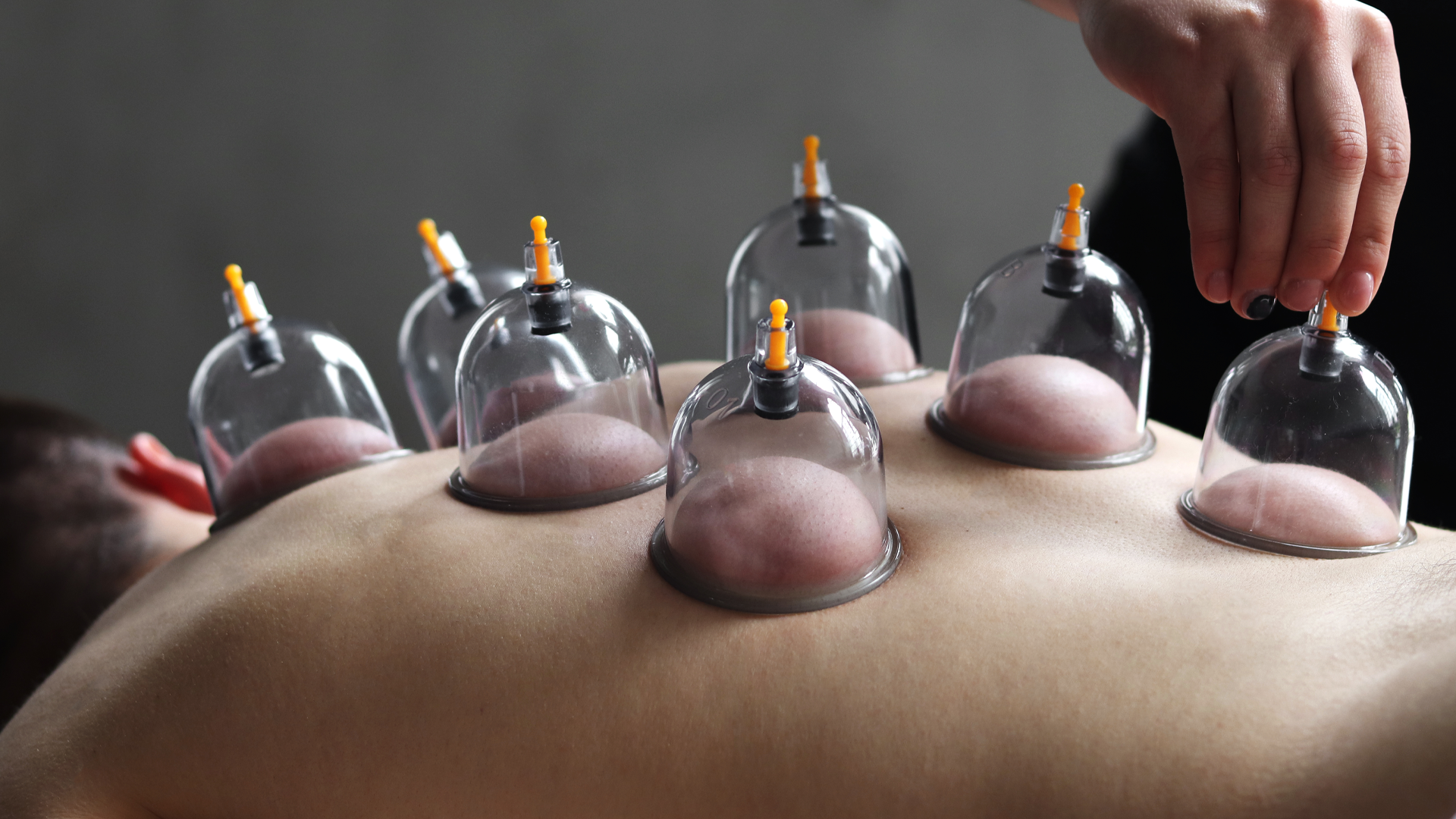
We may encounter several types of cupping therapy. Today, basically only two main ones are used extensively. The first is the bulb massage, which is used by many therapists as an adjunct to conventional massage or physiotherapy. For this purpose, a silicone bulb is usually used, which, thanks to the oil, sticks to the skin and provides deep blood circulation to problem areas - where it is difficult for the therapist to reach with the hands. The second type is the actual cupping, which uses glass flasks and works on the principle described above of creating a vacuum using a pump. In this type of therapy, the flasks are applied to so-called trigger points (points that trigger pain), acupressure points or places with muscle tightness.
In the Middle Ages, so-called bloodletting was most commonly practised, often using leeches. These were left attached to the skin and after they fell off, a bulb was placed in the same place - a process known as 'vein dropping'. Instead of the flasks we know today, animal horns, clay pots, bamboo or brass cups were used. This type of cupping is no longer used in modern medicine.
The biggest benefits of the application of bulb therapy
Helps reduce pain, including chronic low back pain
One of the most common reasons people turn to alternative healing methods is because they are looking for a safe way to reduce joint pain and muscle pain naturally. An article summarizing the results of dozens of randomized clinical trials on cupping therapy published in the medical journal Evidence-Based Complementary and Alternative Medicine reports that cupping is indeed a very effective way to reduce lumbar spine pain and has been shown to provide relief to individuals plagued by chronic back pain.
It provides relief for sore muscles and reduces muscle stiffness
Muscle pain is a common occurrence in professional and recreational athletes of all walks of life, and muscle stiffness is no exception, especially in older individuals. That's why cupping is now an absolutely common technique used by therapists of elite sports teams, as well as physiotherapists and massage therapists of non-professional sports individuals. The flasks can be applied to different parts of the body - most often they are used for the shoulders, neck, back and lumbar spine, but the application to the legs or arms is not special. Thanks to the short therapy, athletes can feel rapid relief, which can lead to improved athletic performance.
Promotes relaxation
It may seem a little illogical, as cupping looks very painful, but the truth is that in addition to helping to relieve physical ailments, cupping therapy also calms the central nervous system and helps to induce a sense of calm and relaxation. This is similar to acupuncture, which is thought to be painful and uncomfortable, but in fact its application leads to a reduced stress response and a more relaxed feeling for most patients.
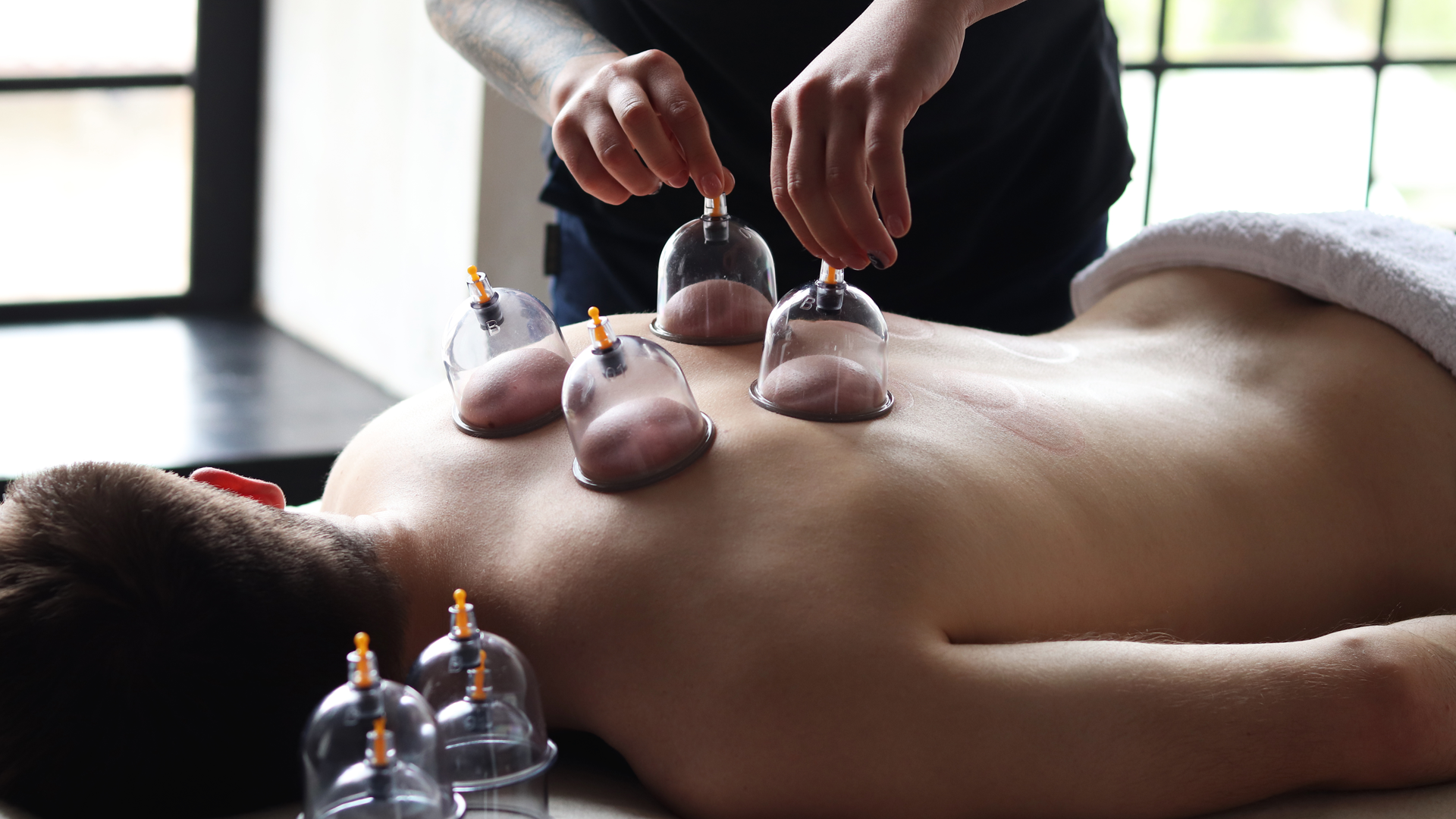
It's actually logical - just lying down and being cared for during cupping sessions can have a positive effect on psychological well-being, which may be one of the reasons why cupping is used as a supportive technique for treating mental illness or depression, among other things. Once the bankai has been applied and the initial not-entirely-pleasant feeling of pressure at the attachment sites has eased, the fact that you have to lie still for 15-20 minutes during the therapy forces patients to switch off for a while, another positive phenomenon that contributes to relaxation and release.
It has a beneficial effect on the skin
In addition to treating muscle stiffness and ailments, cupping is also used to reduce cellulite, acne and skin inflammation. As part of a skin cleansing or cellulite treatment, oil is first applied to the skin, and then the therapist attaches a bulb (in this case, usually silicone) and gently moves it over the skin, bringing heat to the area along with various ingredients (depending on the type of oil used, of course) that promote healing or cleansing of the skin. Because cupping improves blood flow and can help reduce inflammation, some studies have concluded that it is equally, or even more effective, in treating acne compared to various medications or antibiotics. But of course, it cannot be claimed that it will work 100% equally effectively for all acne sufferers.
Helps treat respiratory problems and colds
Cupping therapy can also be useful for speeding up the healing time of respiratory ailments such as the flu or the common cold. Cupping helps to improve immune function by getting the blood and lymph fluid flowing throughout the body. This is why cupping therapy is recommended for people who suffer from frequent respiratory ailments, have various allergies or asthma. In ancient times, they used cupping as a successful method of treating tuberculosis, even long before the first medications certain to treat this disease appeared.
It improves digestion
Acupuncture and cupping are popular ways to improve digestion and reduce symptoms of disorders such as irritable bowel syndrome. This may be primarily because these techniques help reduce the patient's stress response, which is strongly tied to the optimal functioning of our digestive system. Throughout history, bulb therapy has been commonly used as part of treatment for patients with frequent stomach pain, diarrhea, acute gastritis, loss of appetite, gastrointestinal disease and water retention.
Is cupping safe?
While cupping may look a little scary at first and you'll probably go home with some serious bruising, the treatment itself shouldn't be unbearably painful. However, make sure it is performed by a therapist with the necessary training because, as with other restorative techniques, cupping can do more harm than good if performed incorrectly. It is common to feel some heat and pressure around the cupped flask during cupping, but many people find it relaxing and soothing rather than uncomfortable.
Cupping should be avoided if the patient has a skin infection, severe inflammation, ulcers or is extremely sensitive. This type of therapy is not recommended for pregnant women because there has been no relevant research to show that cupping therapy is safe in pregnancy. Keep in mind that it is quite common to develop a heavily discolored bruise after cupping. In people with bleeding disorders or a tendency to excessive bruising, cupping should not be applied or the therapy should not last for too long.
What to take away from the article?
Cupping is a technique that has been around for many years, but has only received deserved attention in Europe and America in recent years. Cupping works on the principle of creating a vacuum on painful or stiff areas at various points around the body, which allows them to be better circulated and subsequently relaxed. The typical souvenir after cupping therapy is variously sized and coloured bruises, but these disappear in a few days and are definitely worth all the health benefits. In addition to relaxing sore muscles, cupping therapy will also support the lymphatic system, immune function, help alleviate the symptoms of cellulite, and last but not least, relax your body and mind during the therapy.
Recommended
Czech Virus Liposomal Vitamin C
Nordbo Rapid Cleanse
Aroha Warrior Balls
Enervit Magnesium Sport
Sources:
Shen, W. C., Jan, Y. K., Liau, B. Y., Lin, Q., Wang, S., Tai, C. C., & Lung, C. W. (2022). Effectiveness of self-management of dry and wet cupping therapy for low back pain: A systematic review and meta-analysis. Medicine, 101(51), e32325. https://doi.org/10.1097/MD.0000000000032325. Cao, H., Li, X., & Liu, J. (2012). An updated review of the efficacy of cupping therapy. PloS one, 7(2), e31793. https://doi.org/10.1371/journal.pone.0031793. Li, Y., Mo, P. C., Jain, S., Elliott, J., Bleakney, A., Lyu, S., & Jan, Y.. K. (2022). Effect of durations and pressures of cupping therapy on muscle stiffness of triceps. Frontiers in bioengineering and biotechnology, 10, 996589. https://doi.org/10.3389/fbioe.2022.996589. https://www.britishcuppingsociety.org/members-forum/. Kucharzewski, M., Mieszczański, P., Wilemska-Kucharzewska, K., Taradaj, J., Kuropatnicki, A., & Sliwiński, Z. (2014). The application of negative pressure wound therapy in the treatment of chronic venous leg ulceration: authors experience. BioMed research international, 2014, 297230. https://doi.org/10.1155/2014/297230. http://www.itmonline.org/arts/cupping.htm. Mehta, P., & Dhapte, V. (2015). Cupping therapy: A prudent remedy for a plethora of medical ailments. Journal of traditional and complementary medicine, 5(3), 127-134. https://doi.org/10.1016/j.jtcme.2014.11.036
No posts have been made yet.








