




Longer workouts don't mean bigger muscles! Science has revealed why
 Author:
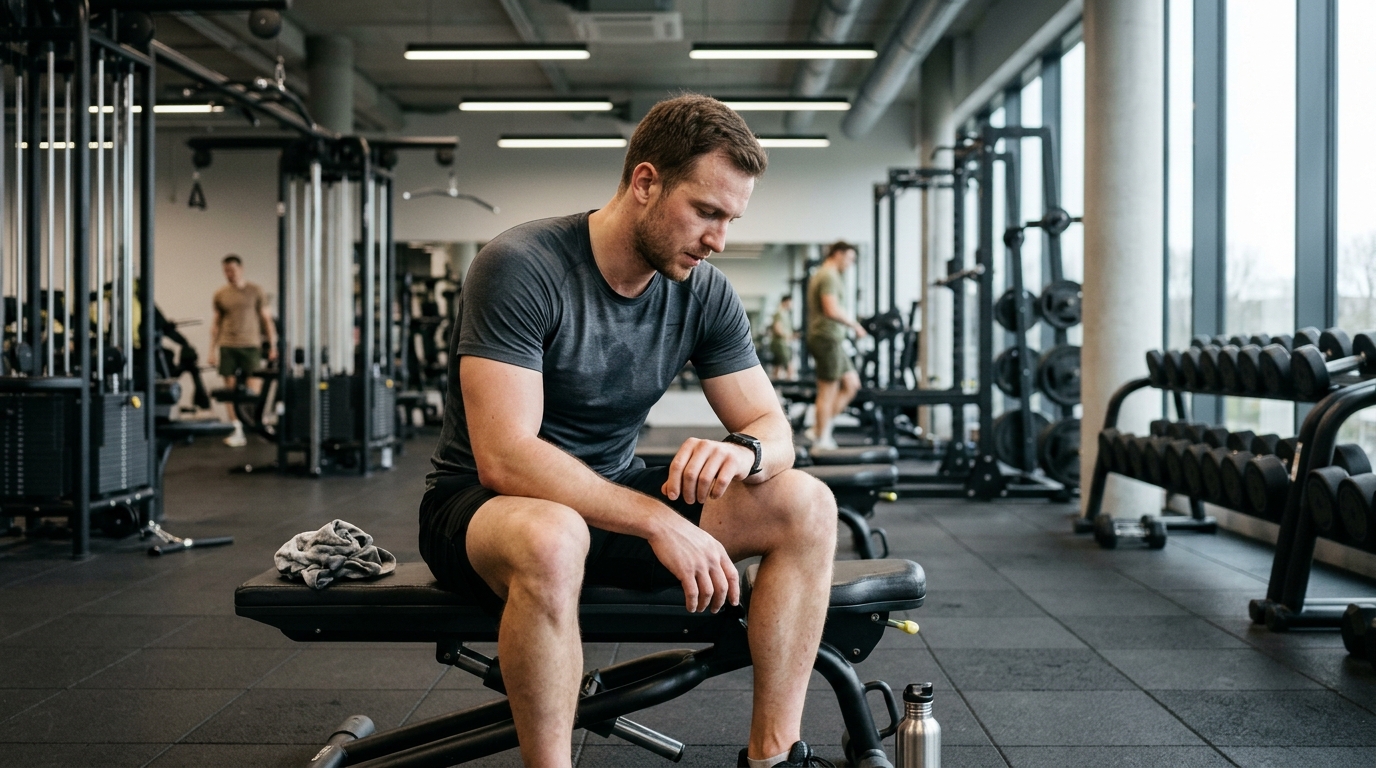
Monday, 6:00 p.m. You walk into the gym planning to give your chest and triceps a thorough workout. After your first set of bench presses, you take a few minutes to rest. Then another set, a phone call, a chat with a friend, and another break. By the time you finally get to your last exercise, nearly two hours have passed.
You leave feeling good. After all, it was a long workout, so your muscles must have really been put to the test. But what if the person who finished their workout next to you in 65 minutes created a comparable growth stimulus for their muscles? This is where one of the most interesting differences begins—between how we perceive training and what actually determines our results.
Article Contents:
- Researchers compared 19 studies. The result was surprising
- Why doesn’t more time at the gym necessarily mean bigger muscles?
- Do more sets mean more muscle? Science reveals another catch
- Want to build muscle? Don’t forget what you do outside the gym
- Warning! Shorter workouts don’t mean shorter rest periods at all costs
- One hour vs. two hours: Which is more important for muscle growth?
- How can you shorten your workout without unnecessarily limiting muscle growth?
- You Might Be Focusing on the Wrong Number the Whole Time
Researchers compared 19 studies. The result was surprising
In 2025, researchers published a meta-analysis in the journal Sports Medicine that included 19 studies and a total of 313 participants.The researchers compared traditional strength training with supersets—a method in which you combine two exercises without a significant rest period between them.
And the result?
Supersets made it possible to shorten the duration of the workout, while the total number of repetitions and the volume of the workout remained, on average, comparable to those of traditional sets. Furthermore, in a limited number of studies tracking long-term results, the researchers found no statistically significant difference in muscle growth between the two approaches.
But that doesn’t mean you should immediately eliminate all rest periods. Above all, the research shows that, under certain conditions, the same amount of training work can be completed in less time. And that brings us to an important question: What actually determines whether your muscles will grow?
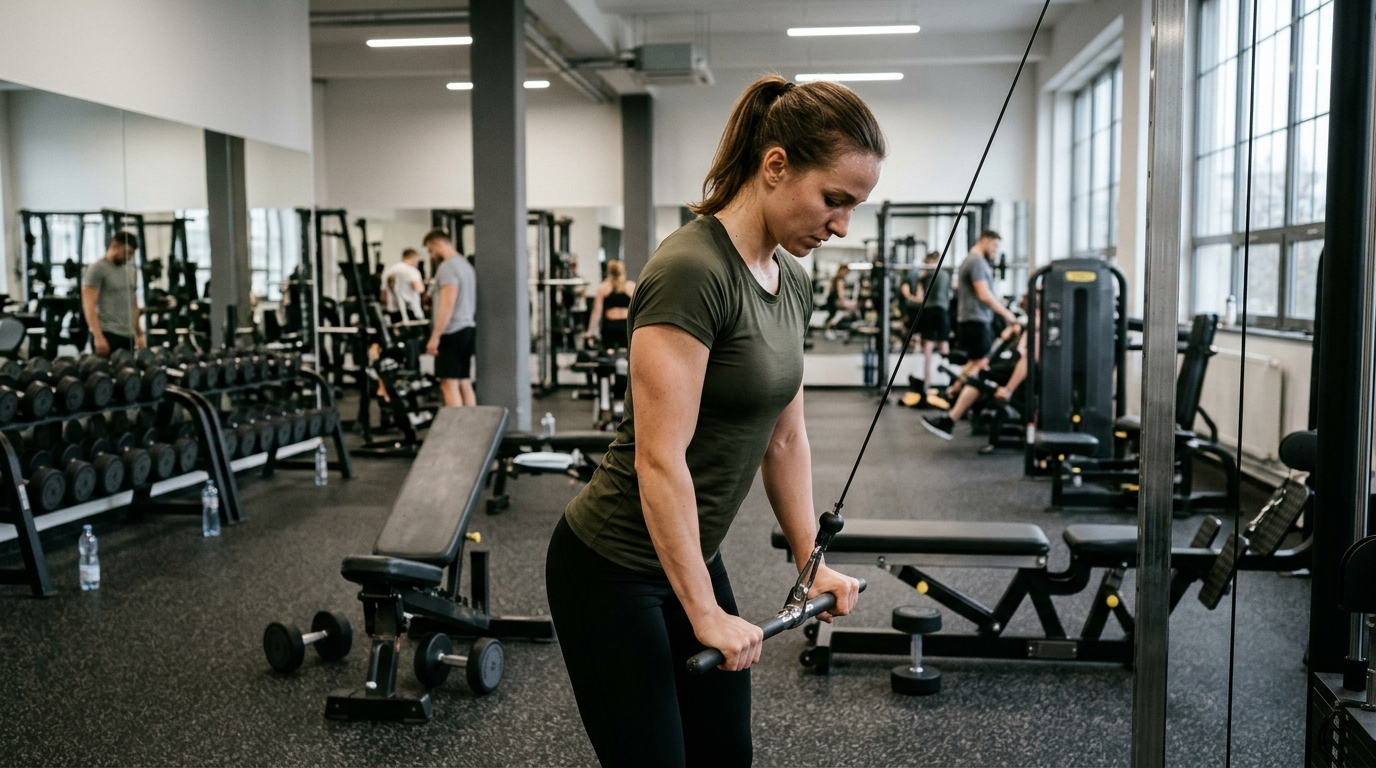
Why doesn’t more time at the gym necessarily mean bigger muscles?
Imagine two athletes who want to build bigger chests. The first performs four exercises, completing a total of twelve working sets. He rests between sets depending on the intensity of the exercises and finishes the entire workout in about an hour. The second performs the exact same exercises, the same number of sets, and at a comparable intensity. However, he takes long breaks between sets, checks his phone, and chats with friends. He doesn’t leave the gym until two hours later.
Which of them created a better stimulus for muscle growth? The length of the workout alone does not answer this question. Muscles do not respond to how many minutes you spend at the gym. They respond to the load you subject them to.
For hypertrophy, what’s particularly important is sufficient mechanical stimulation, an appropriately set training volume, and a long-term increase in intensity. And that’s exactly why a two-hour workout isn’t automatically more effective than a one-hour one. Of course, this assumes that the shorter workout includes enough high-quality work and that you don’t lose performance due to unreasonably short rest periods.
More Sets Mean More Muscle? Science Reveals Another Catch
You might think that since the length of a workout doesn’t matter that much, you can simply keep adding more and more sets. But even here, the answer isn’t that simple. A comprehensive meta-regression analysis published in 2026 included 67 studies and 2,058 participants. The researchers examined the relationship between weekly training volume, frequency, and gains in muscle mass and strength.
They found that higher training volume was generally associated with greater gains in muscle mass. At the same time, however, it turned out that the additional benefit of extra sets gradually decreases. In other words, adding a few sets can make sense. But that doesn’t mean that doubling your training volume will automatically lead to twice as much muscle growth.
Especially if you’re already training at a high volume, adding more work may become less and less beneficial. And this is exactly where many exercisers get caught in a vicious cycle. They don’t see results, so they add another exercise. Then another set. Eventually, they spend two hours at the gym, but their performance plateaus.
Yet the cause may not be a lack of training volume. Inappropriate progression, high fatigue, insufficient recovery, or diet may all play a role.
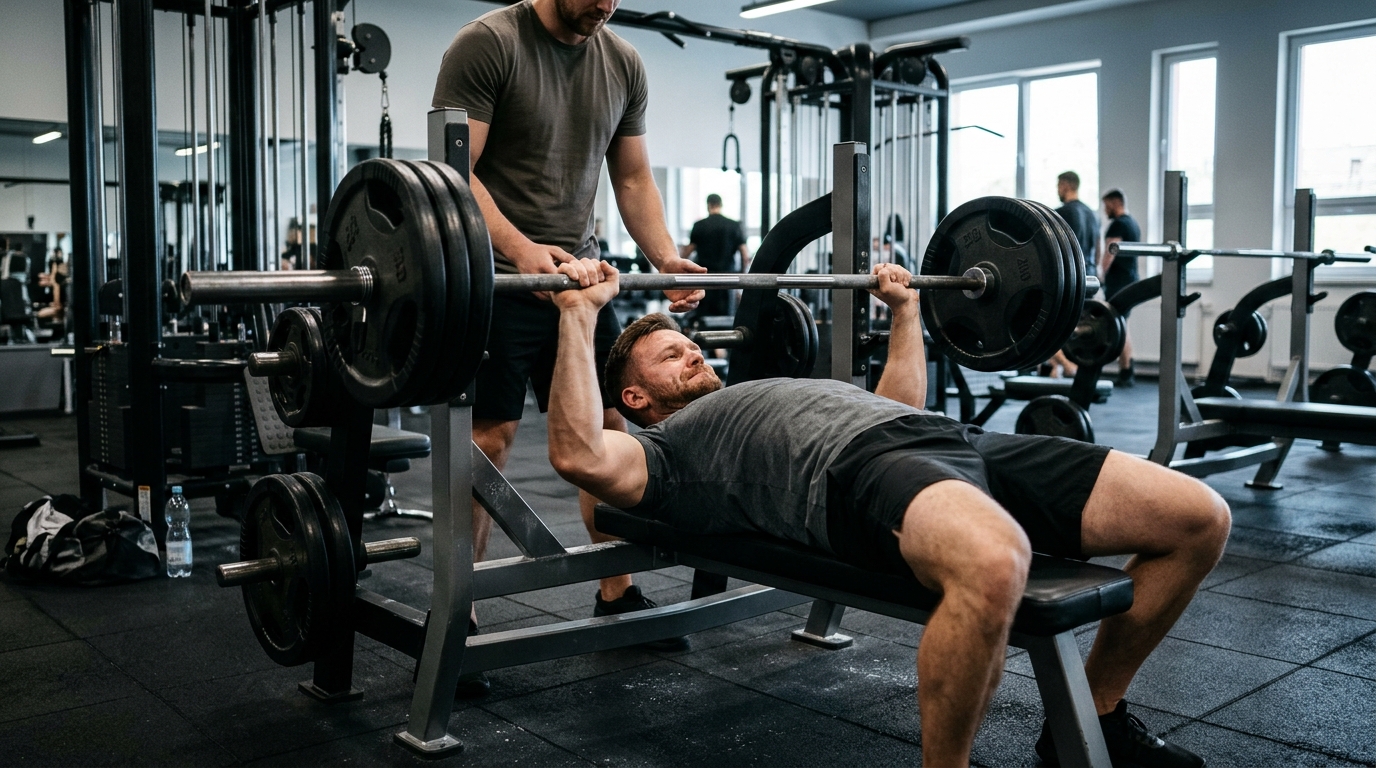.jpg)
Want to build muscle? Don’t forget what you do outside the gym
An effectively designed workout can save you time, but simply organizing your exercises isn’t enough. If you want to support muscle growth in the long term, you also need sufficient energy and protein intake, as well as time for recovery. These fundamentals are actually more important than trying to squeeze in extra training minutes at any cost.
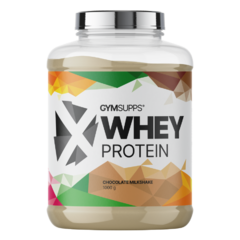
If you have trouble meeting your daily protein needs through your regular diet, GymSupps XWhey Protein can be a practical solution. It combines various forms of whey protein that contribute to muscle growth and maintenance. A protein shake can thus be a simple way to supplement your diet after a workout or throughout the day.
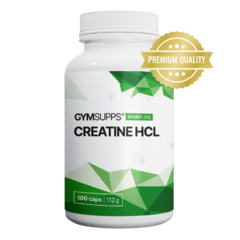
For regular, intense strength training, you might also consider GymSupps Creatine Monohydrate. When taken daily at a dose of 3 grams, creatine enhances physical performance during consecutive short-term intervals of high-intensity exercise. However, neither creatine nor protein can replace quality training, a balanced diet, and adequate sleep.
Recommended

New 100% Whey Protein 800g 1+1
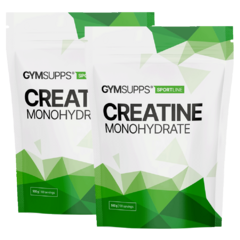
Creatine Monohydrate 500g 1+1
Note: A shorter workout doesn’t mean shorter rest periods at all costs
It’s important to point out one thing here. If you want to shorten your workout, immediately limiting all rest periods to 30 seconds may not be the best solution. The length of your rest period affects how well you can perform the next set.
A 2024 meta-analysis of nine studies suggested a slight benefit of rest periods longer than 60 seconds for muscle growth. However, the results of the individual studies overlapped, and it was not possible to determine a single optimal rest duration for all situations.
For example, if you’re doing heavy squats or bench presses, a longer rest period can help you recover and maintain the desired load. Conversely, for less demanding isolation exercises, you often don’t need to wait as long. Therefore, the goal isn’t to complete your workout as quickly as possible.
The goal is to minimize wasted time without compromising the quality of each working set.
One Hour vs. Two Hours: Which Is More Important for Muscle Growth?
| SITUATION | WHAT HAPPENS DURING TRAINING | WHAT MATTERS |
|---|---|---|
| 60 minutes of high-quality training | Enough challenging sets, appropriate rest periods, and a focus on performance | Can provide a very good stimulus for muscle growth |
| 120 minutes of the same workout | The same number of high-quality sets, but more wasted time between them | Longer duration alone does not provide an additional growth stimulus |
| 120 minutes with higher volume | More working sets and a greater total load | May provide an additional stimulus, but also greater fatigue |
| 45 minutes of rushed training | Rest periods that are too short, a drop in performance, and deterioration in technique | Time savings may come at the expense of training quality |
* The situations described are illustrative examples, not the results of a direct experiment comparing 60- and 120-minute workouts.
The situations described are hypothetical examples, not the results of a direct experiment comparing 60- and 120-minute workouts.
How can you shorten your workout without unnecessarily limiting muscle growth?
If you feel like you’re spending too much time at the gym, you don’t have to change your entire workout plan right away.
Start with a few simple steps:
- Focus on working sets. Keep track of how many high-quality sets you actually complete for each muscle group during the week.
- Try appropriate supersets. Combining bicep curls and tricep extensions or alternating between pushing and pulling exercises can help save time.
- Adjust your rest periods based on the intensity of the exercise. Allow yourself plenty of rest for heavy, compound exercises. For simpler, isolated movements, a shorter rest period may be sufficient.
- Don’t extend your workout just out of habit. An additional exercise may not be beneficial if you’ve already done a sufficient amount of quality work on that muscle group.
- Track your long-term progress. If you’re gradually improving your performance, managing your recovery, and achieving your goals, you don’t need to extend your workout just because others train longer.
It’s not about completing every session in record time. It’s about making sure every minute you devote to training counts.
.jpg)
You might be focusing on the wrong number the whole time
How much time should you spend at the gym to build muscle? An hour? Ninety minutes? Two hours? Scientific evidence shows that workout duration alone isn’t a reliable indicator of its effectiveness. You can complete a long workout with plenty of high-quality effort and achieve excellent results. But you can also organize your exercises properly, use rest periods effectively, and complete a high-quality workout in significantly less time.
What matters most is whether you provide your muscles with sufficient stimulation and then allow them to recover. And perhaps that is the most important message of this entire topic.
Your muscles don’t know whether you spent an hour or two at the gym. What matters is the quality of your workout during that time.
Recommended
GymSupps XWhey Protein
GymSupps Creatine HCL
No posts have been made yet.