





The difference between omega-3 and vitamin D
 Author:
 In the world of dietary supplements, we often come across the names omega-3 and vitamin D. Many people know them, take them, but are often unsure what the difference between them actually is and why they are so often talked about together. They are not rivals, but rather key teammates for our health. While they each have their own unique and irreplaceable role, modern science shows that their true power is fully realized when they work in tandem.
Let's take a look at what each of these substances does for our bodies, and most importantly, the amazing results their collaboration brings, backed by clinical studies.
Article content
- Who is who in our body?
- Together they are stronger: What does the science say?
- Conclusion: why does this combination matter?
Who's who in our bodies?
Before we dive into their synergy, let's be clear about their basic roles.
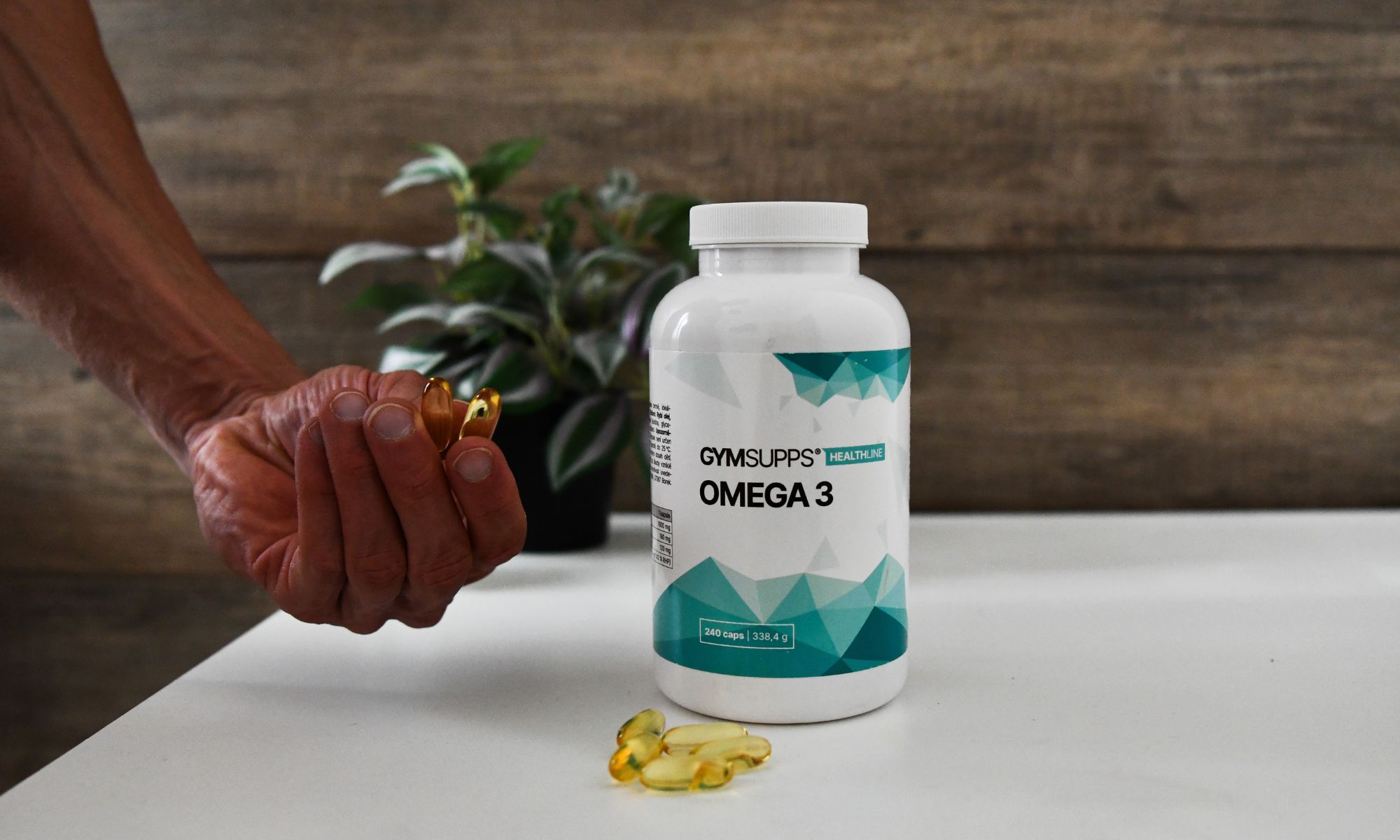
Omega-3 fatty acids are essential fats. The word "essential" means that our bodies can't make them on their own and we must take them from our diet. They are literally the building blocks for every cell in our body, especially the brain and the eyes. Their most important components are EPA (eicosapentaenoic acid) and DHA (docosahexaenoic acid), which are known for their powerful anti-inflammatory effects. They keep our heart and blood vessels in good condition, support cognitive function and help the body fight the hidden inflammation that causes many diseases of civilisation.
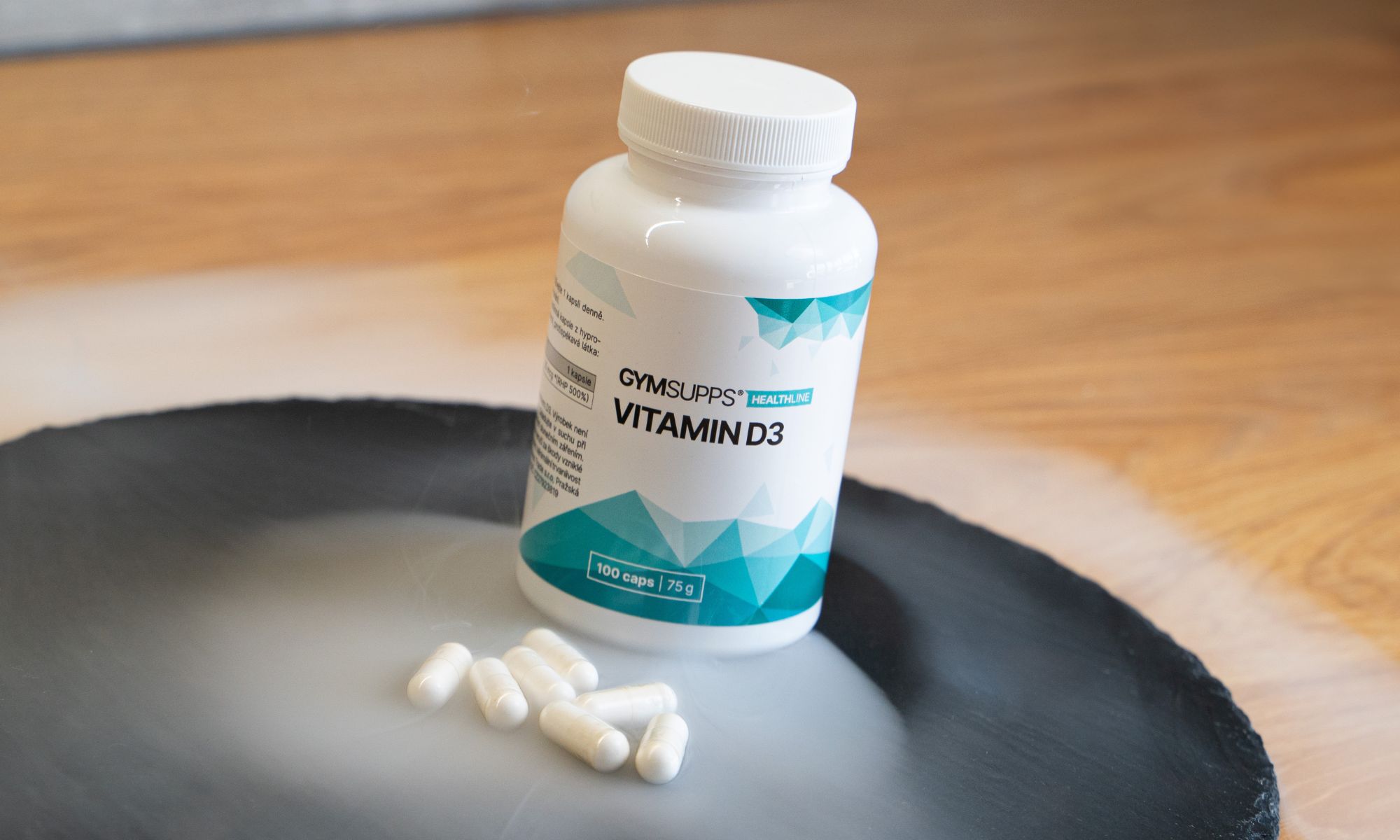
Vitamin D, often dubbed the "sunshine vitamin", is actually a prohormone. Our skin can make it when exposed to sunlight. However, in latitudes such as ours, the sun is scarce during the autumn and winter months, and therefore a large part of the population suffers from a deficiency. Its main and most well-known role is to control the level of calcium in the blood, which is absolutely crucial for healthy and strong bones. But its job doesn't end there. Vitamin D is essential for the proper functioning of the immune system, helps us fight off infections and plays a role in mood regulation.
Together, they are stronger: What does the science say?
Although omega-3 and vitamin D are distinct substances with different primary functions, their pathways often cross in our bodies and their effects are mutually reinforcing. This is not just a theory, but a fact backed by numerous clinical studies.
1. Promoting psychological well-being and reducing stress
Modern lifestyles bring with them considerable psychological stress. Researchers have investigated whether a combination of omega-3s and vitamin D could help. The results are very promising. A clinical trial focusing on women of reproductive age who suffered from prediabetes and vitamin D deficiency showed that the combined administration of the two substances led to statistically significant reductions in depression, anxiety and stress scores compared to a group that received a placebo.¹ These findings suggest that proper levels of both nutrients are important for maintaining mental balance and coping with daily stress.
2. Strategies for healthy ageing and prevention
As we age, the risk of many diseases increases. Therefore, scientists are constantly looking for safe and effective ways to prevent it. One of the largest and most interesting studies in recent years has focused on seniors aged 70 and older. It found that a combination of high-dose vitamin D, omega-3 fatty acids and a simple home exercise program reduced the risk of invasive cancer by an impressive 61%.² This research is groundbreaking in that it does not examine treatment, but active prevention. It demonstrates how a combination of simple and affordable resources can significantly boost health in advanced age.

3. Improving metabolic health
Prediabetes is a warning sign that precedes the development of type 2 diabetes. Here too, the power of omega-3 and vitamin D working together is demonstrated. Another study confirmed that in women with prediabetes and vitamin D deficiency, joint supplementation led to improved glycemic control and lipid profiles.³ In other words, it helped the body better manage sugar and improve blood lipid levels, which are key factors in preventing diabetes and cardiovascular disease.
4. Ensuring adequate levels in the body
In order for these substances to function properly in the body, we need to have enough of them. A study conducted on both healthy individuals and Crohn's disease patients clearly showed that supplementing the diet with a combination of omega-3s and vitamin D effectively increases their levels in the blood.⁴ This is important practical evidence that supplementation is a functional way to provide the body with what it may be lacking in the diet or due to lack of sunshine.
Conclusion: why does this combination matter?
So the difference between omega-3s and vitamin D is crucial - one is a fat essential for building cells and fighting inflammation, the other is a prohormone controlling immunity and bone health. Yet taking them together is a logical and scientifically sound step towards better health.
Their combination doesn't just act as the sum of two individual effects, but creates a synergistic effect where their benefits multiply each other. From promoting mental well-being to boosting immunity to preventing serious diseases in old age, the omega-3 and vitamin D duo is one of the cornerstones of modern health care.
So if you're wondering how to effectively support your body, consider this powerful duo. Especially in our climate, where lack of sun is common and diets are often poor in oily marine fish, supplementing them together may be the key to long-term vitality.
Recommended

GymSupps Vitamin D3
Vitamin D3 100cps 1+1

GymSupps Omega 3

Omega 3 240cps 1+1
Sources:
- ¹ Jamilian, M., Samandari, S., et al. (2021). The effects of omega-3 and vitamin D co-supplementation on psychological distress in reproductive-aged women with pre-diabetes and hypovitaminosis D: A randomized controlled trial. Complementary Therapies in Medicine, 59, 102717.
- ² Heike, A., Bischoff-Ferrari, et al. (2022). Combined Vitamin D, Omega-3 Fatty Acids, and a Simple Home Exercise Program May Reduce Cancer Risk Among Active Adults Aged 70 and Older: A Randomized Clinical Trial. Frontiers in Aging, 3.
- ³ Jamilian, M., Amirani, E., et al. (2020). The effects of omega-3 and vitamin D co-supplementation on glycemic control and lipid profiles in reproductive-aged women with pre-diabetes and hypovitaminosis D. Journal of Steroid Biochemistry and Molecular Biology, 198, 105556.
- ⁴ Gröber, U., Holzhauer, P., et al. (2020). The Effects of an Omega-3 and Vitamin D Supplement on Serum Fatty Acid and Vitamin D Levels in a Double-Blind, Randomized, Controlled Study in a Healthy Population and in Crohn's Disease Patients. Nutrients, 12(4), 1146.
No posts have been made yet.








