





Omega-3 excess and its symptoms
 Author:
 Imagine the following scene: you're sitting down to breakfast, opening a batch of fish oil and thinking to yourself one last time "just one extra capsule just in case...". But a few hours later, you're surprised by a rush of nausea, maybe burping or even painful heartburn. "That can't be from the omega-3s," you think - and you may be exceeding the limit your body can handle without difficulty.
Do you recognize it? Omega-3 fatty acids have built an almost stellar reputation over the past few decades. They've been linked to heart health, proper brain function and suppressing inflammation in the body. They are among the best-selling products in dietary supplement stores, and many consider them a kind of "insurance policy" for their health. But as with any biologically active substance, nothing should be overdone.
Scientific studies in recent years have made it increasingly clear that even such a beneficial substance as omega-3s can have its downsides when taken in excess. And it is these that we are going to discuss today - not to denigrate omega-3s, but to show you where the limits of their safe use lie.

Article Content:
- The most common but mild problems.
- More serious risks: Effect on heart rhythm and atrial fibrillation
- Omega-3s and Blood Clotting: Myths and Facts
Most common but mild problems: digestive system
The first and most commonly reported side effects of high-dose omega-3s involve the gastrointestinal tract. Although they are not serious, they can be so uncomfortable for users that they may be discouraged from further consumption. These symptoms are usually directly related to the size of the dose - the more omega-3 you consume, the more likely you are to experience them.
Typical symptoms include fishy belching, heartburn, nausea and general stomach discomfort.2 Some individuals may also experience diarrhea. These symptoms are due to the fact that fats, including omega-3 supplements, can slow gastric emptying and relax the sphincter between the esophagus and stomach, leading to reflux. Although these are mild problems, they signal that the dose is too high for the individual's digestive system.
More serious risk: Effect on heart rhythm and atrial fibrillation
While omega-3s have historically been recommended for cardiovascular protection, more recent and extensive research has revealed a disturbing paradox. A 2021 meta-analysis that pooled data from several large randomized clinical trials produced a major finding: omega-3 fatty acid supplementation is associated with an increased risk of atrial fibrillation.1

What is atrial fibrillation? Simply put, it is the most common heart rhythm disorder (arrhythmia). In it, the atria (the upper cavities of the heart) quiver (fibrillate) chaotically instead of contracting in a coordinated fashion. Blood flows more slowly in the atria and can form a blood clot, which, when released into the bloodstream, can cause a stroke.
The aforementioned meta-analysis showed that this risk is dose-dependent. It was most pronounced in patients taking doses higher than 1 gram of omega-3 per day.1 This finding is particularly important because doses of this magnitude and even higher are often recommended, for example, to lower blood triglyceride levels. The irony is that while a patient is trying to improve one aspect of their cardiovascular health (fat levels), they may unknowingly be increasing their risk in another area (heart rhythm). The mechanism by which omega-3s increase this risk is not yet fully understood, but it is thought that it could be related to their effect on the electrical properties of cell membranes in the heart.
Omega-3 and blood clotting: myths and facts
There is a long-standing belief that omega-3s "thin the blood" and therefore high doses can cause bleeding. This notion is based on the fact that omega-3s actually affect the function of platelets - the cell fragments that are responsible for forming blood plugs and stopping bleeding. Omega-3s reduce their tendency to clump (aggregate).
However, a systematic review and meta-analysis in 2023 looked at this issue in more detail. The conclusion was that, although omega-3s affect this mechanism, they do not increase the risk of clinically significant bleeding in healthy individuals.3 The body has a robust clotting system and a slight reduction in platelet aggregation in most people does not lead to spontaneous bleeding or problems during, for example, surgery.
But the situation changes dramatically in people who are already taking drugs that affect blood clotting, called anticoagulants (e.g. Warfarin) or antiplatelet agents (e.g. Anopyrine). In these patients, the combination of medications and high doses of omega-3s can lead to an additive effect, where the anticoagulant effect is dangerously amplified.3 Therefore, extreme caution is warranted and any omega-3 supplementation should be discussed with the treating physician, who may consider adjusting the dosage of the medication or not recommending supplementation at all.

The key is balance and awareness
Omega-3 fatty acids remain an important part of a healthy diet and, when warranted, complementary therapy. However, the above findings clearly show that the mantra "the more the better" does not apply here.
For the average user who wants to support their health, the safest way is to consume natural sources such as oily marine fish (salmon, mackerel, sardines) twice a week. If he chooses to take supplements, he should stick to the recommended, lower doses and be sensitive to his body's signals, especially regarding digestion.
Patients with cardiovascular disease or those taking blood-thinning medications should consult their physician for any omega-3 supplementation, especially in doses exceeding 1 gram per day. The science of nutrition is constantly evolving, and an informed approach based on balance and critical thinking is the best path to true health.
Recommended
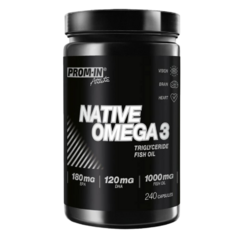
Prom-in Native Omega 3
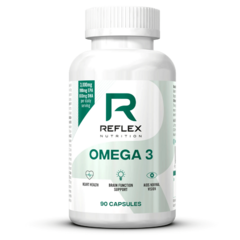
Reflex Omega 3

GymSupps Omega 3

Omega 3 240cps 1+1
Sources:
- [1] Lombardi, M., et al. (2021). Association of Marine Omega-3 Fatty Acid Supplementation With Incident Atrial Fibrillation: A Meta-Analysis of Randomized Clinical Trials. European Heart Journal - Cardiovascular Pharmacotherapy.
- [2] Kaur, G., et al. (2022). Omega-3 fatty acids: a review of the effects on cardiovascular diseases. International Journal of Food and Nutritional Science.
- [3] Lye, C. W., et al. (2023). Omega-3 Fatty Acids and Bleeding Risk: A Systematic Review and Meta-Analysis of Randomized Controlled Trials. Nutrients.
No posts have been made yet.








