





No more chasing after protein! The real key to getting in shape is the 30/10 rule
 Author:
 If you’re even slightly involved in the fitness community, you’ve definitely experienced this. We’re bombarded from all sides with one piece of advice:
“Protein grams are everything. Drink shakes, buy protein puddings, have a double serving of chicken.”
As a result, while many people diligently meet their daily protein goals, their plates are empty when it comes to other important nutrients. Protein is, of course, the basic building block for muscles and a great aid for weight loss. But if you eat it in isolation, you’re shortchanging yourself on results.
The real key to a toned physique, a constant feeling of fullness, and trouble-free digestion is the 30/10 rule.
What is the 30/10 concept?
It’s a foolproof template for your main meals. The goal is simple: to include at least 30 grams of protein and 10 grams of fiber in each meal.
While protein takes care of your muscles and kickstarts recovery, fiber adds the necessary bulk to your meal, slows down its absorption, and keeps your blood sugar levels stable. Together, they form a combination that will solve those uncontrollable sugar cravings an hour after lunch once and for all.
Why does focusing solely on protein fail?
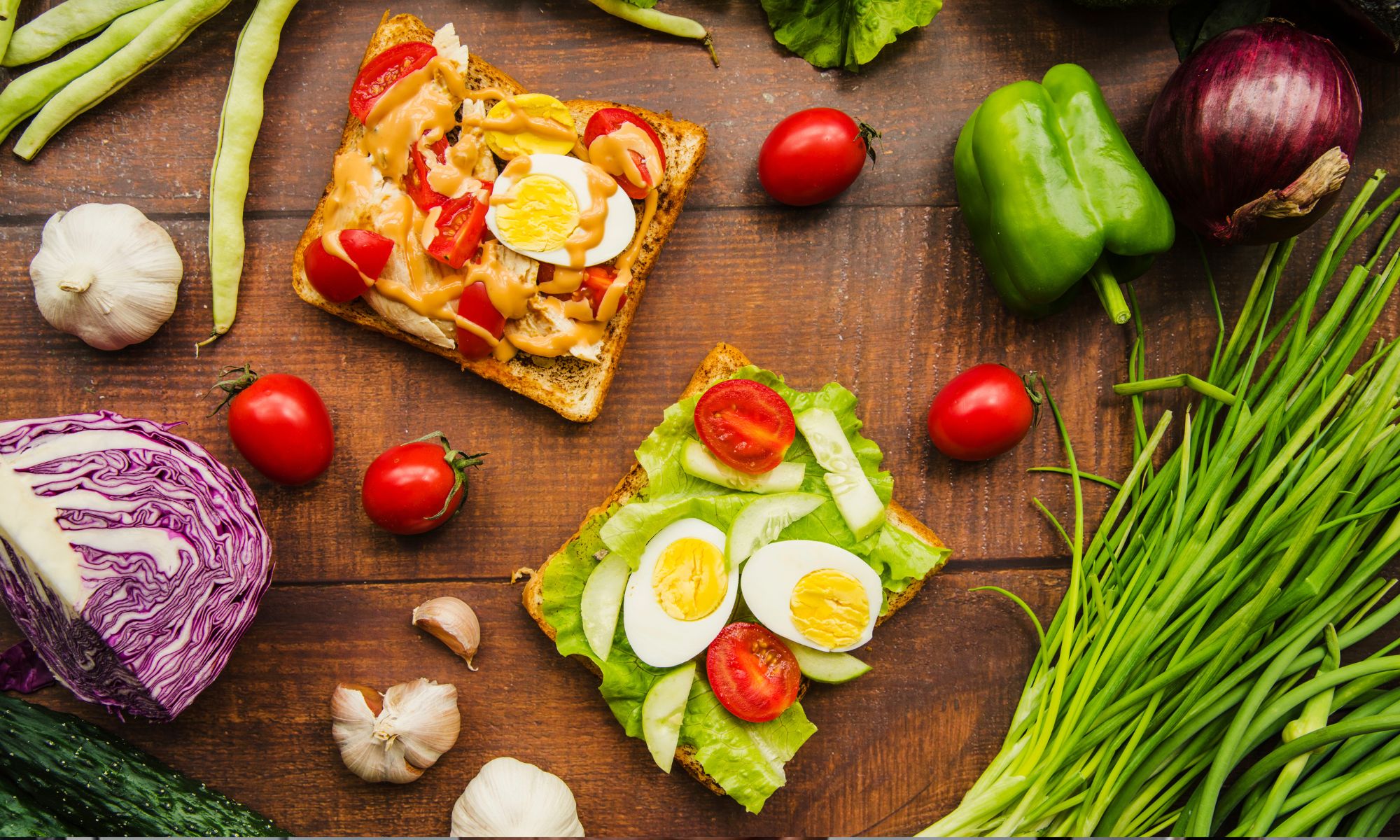
If you focus only on protein, sooner or later you’ll hit a wall. A meal that has 40 g of protein but zero fiber will fill you up for a while, but hunger will soon set in. A protein shake may look great in a calorie-counting app, but your stomach will register it as nothing more than a liquid that flows right through it.
Fiber is the missing half of the equation. Fiber-rich foods (legumes, whole grains, berries, vegetables) make portions appear and feel larger. They force you to chew, eat more slowly, and let your brain know in time that you’ve had enough. Plus, without fiber, your intestines will go on strike sooner or later—and without healthy digestion, muscles simply don’t grow effectively.
How do you put together the perfect meal according to the 30/10 rule?
Forget about the hassle of weighing every gram on a lab scale. Just stick to this simple structure:
- Protein anchor (25–40 g): The foundation of the meal. This could be 150 g of lean meat, a package of tofu, a can of tuna, 200 g of skyr or cottage cheese, or a high-quality protein powder.
- Fiber base (8–14 g): Protein’s partner. Go for lentils, beans, rolled oats, chia seeds, whole-grain rye bread, or edamame.
- Color on your plate: Add one to two handfuls of any vegetables or less-sweet fruits for micronutrients and to fill you up.
Tip for those in a hurry: If you’re short on time and having a protein shake, turn it into a full-fledged smoothie. Throw some protein, a cup of Skyr, a handful of frozen raspberries, a tablespoon of chia seeds, and a little oatmeal into a blender. You’ve just created the perfect 30/10 meal for on the go.
6 Balanced Combinations That Work in Practice
The following table serves as a quick guide on how to combine common foods found in Czech supermarkets.
| Meal | Protein component | Fiber component | Benefit of this meal |
|---|---|---|---|
| Breakfast yogurt cup | 250 g Skyr + one scoop of protein | Berries (raspberries/blackberries), chia seeds | A huge serving with minimal calories and a sweet taste. |
| Fitness burrito bowl | 150 g ground turkey | Black beans, corn, iceberg lettuce, tomatoes | The perfect lunch to pack, which tastes great even when cold. |
| Tofu Skillet with Lentils | 1 package of smoked tofu | Red lentils, broccoli, carrots | An ideal light, plant-based dinner. |
| Quick Tuna Toast | 1 can of tuna in its own juice | 2 slices of whole-grain rye bread, cucumber | Ready in 3 minutes when you come home hungry from your workout. |
| Protein Oatmeal | Oatmeal cooked with egg whites | Flaxseed, cocoa, apple | A traditional fitness breakfast with an improved nutritional profile. |
| Salmon with quinoa | 150 g of baked salmon | Quinoa, roasted asparagus, or zucchini | A more indulgent dinner packed with healthy fats and minerals. |
Adapt the rule to your fitness goal
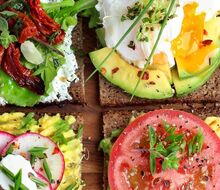
The 30/10 concept isn’t a rigid diet—it’s a flexible framework. You keep the basic building blocks (protein and fiber) roughly the same, but you adjust your calorie intake accordingly:
- Trying to lose fat? Stick to lean protein sources (chicken breast, skyr, Olomouc tvarůžky) and watch your fat intake. Be careful not to eat too many nuts, oils, or dressings—the calories from them can add up without you noticing.
- Want to build muscle? Keep the basics, but don’t be afraid to add carbs and healthy fats. Larger portions of rice, pasta, potatoes, or olive oil will turn your 30/10 meal into the ideal fuel for intense workouts.
What should you watch out for?
If your diet has so far resembled a classic “dumpling-based” culture and you’ve eaten almost no fiber, transition to the 30/10 system gradually. If you jump to 30 grams of fiber a day overnight, your body will thank you with a bloated stomach and cramps. Add legumes and vegetables in small portions over the course of two to three weeks.
It’s also essential to stay well-hydrated. Fiber acts like a sponge in the body—it needs water to do its job properly and aid digestion, rather than block it.
A Quick Checklist Before Every Meal
When you look at your plate, you should be able to answer these questions:
- Does this meal contain about 30 g of protein?
- Does it contain at least 10 g of fiber?
- Do I see a clear source of fiber on my plate (legumes, whole-grain sides, fruits/vegetables)?
- Does the total amount of fat and carbohydrates align with my current goal?
If you nod your head four times, you have a meal in front of you that will take your fitness and health one step further. There’s no need to overcomplicate things—just eat smart.
But there’s one huge catch...
You can try to meticulously follow the 30-10 rule, weigh every serving of protein, load your meals with fiber, and convince yourself that your dream physique is finally within reach. But if your digestive system is in shambles from past extremes, unbalanced diets, or a constant “chase for protein,” your body simply won’t let you achieve optimal absorption and weight loss. An overburdened digestive tract can’t properly utilize these precious nutrients; undigested residues send inflammatory signals throughout your body, and all you feel is bloated and sluggish. You simply can’t overcome biology and a devastated gut environment with charts and macro counting alone.
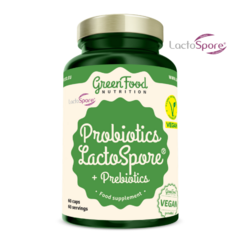
Yet the solution is logical and straightforward—you need to provide your body with the right enzymes and bacterial strains and create the perfect environment for them so they can effectively break down your food (including the increased fiber) and physiologically “calm” your digestive system. Top-quality, comprehensive probiotics serve as the absolute first line of defense against upset digestion and a bloated stomach. A properly selected blend reaches exactly where it’s needed and immediately begins to repair the microbiome and aid in the breakdown of hard-to-digest food components.
And because years of poor dietary habits and an excess of animal protein without fiber often literally “erode” the intestinal lining itself, add high-purity GymSupps L-Glutamine. It will ensure that your digestive barrier heals, strengthens, and allows only the good stuff to pass into your body—perfectly processed nutrients for your muscles and energy.
Don’t let constant bloating, hidden inflammation, and poor nutrient absorption control you. Heal your digestion from the ground up, maximize the use of every gram of food with top-quality supplements, and show everyone that you’ve finally taken control of your fitness and gut health.
Recommended
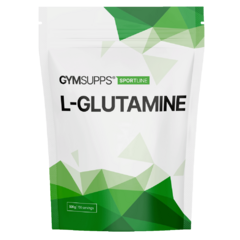
GymSupps L-Glutamine
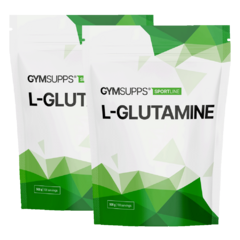
L-Glutamine 500g 1+1
No posts have been made yet.








