





Is Fiber a Scam? Why the Zero-Carb Trend Is Quietly Ruining Your Brain—and How to Reverse It
 Author:
 Imagine the following scenario. You’ve been on a strict meat-heavy diet or an extreme low-carb diet for three months now. At first, it was pure euphoria. The water under your skin drained away, your belly deflated, and you felt like you’d just discovered the holy grail of weight loss. You proudly threw all your oatmeal, rice, and vegetables in the trash.
But let’s fast-forward a few weeks. You’re sitting in your office; it’s 3:00 p.m. You’re staring at the monitor, and you know exactly what you should be doing, but your brain has simply gone on strike. The letters are blurring together, your thoughts are slipping away, and you feel drained, as if you’d just finished a two-phase leg workout. You’re irritable, stressed for no reason, and your body is desperately crying out for anything that will give it a quick energy boost.
You go make another cup of coffee and read a post on social media from yet another influencer who claims that “fiber is a myth.” But your body is sending you completely different signals. You’re not the only one going through this scenario. It’s a silent epidemic of people who have come to believe that the body is just a simple combustion engine for protein and fat, completely ignoring the most complex factory they carry within their own intestines.
Article Contents:
- Why the “surviving without fiber” argument is completely off the mark
- No More Afternoon Fatigue and Natural Protection for Your Blood Vessels
- Butyrate: The Real Reason Behind Your Brain Fog and Bad Mood
- What the hard data shows (and what influencers don’t want to hear)
- Your Daily Plan: How to Easily Nourish Both Your Gut and Your Brain
Why the “surviving without fiber” argument is completely off the mark
When someone tries to convince you that fiber is useless, they usually bring up one main argument: there’s no acute disease caused by a lack of fiber in the medical literature. If you stop eating broccoli and legumes, your body won’t collapse overnight. You won’t get scurvy, as you would if you were lacking vitamin C, and your teeth won’t fall out. Technically speaking, they’re right.
But this argument is based on a century-old way of thinking that focused only on what you need to stay alive for a week. Modern science no longer asks:
“Does the body need this for mere survival?” Modern science asks: “What will a chronic deficiency of this substance do to your brain and heart over the coming decades?”
It’s exactly the same as with a seatbelt in a car. The engine doesn’t need it to run. You won’t catch any infection from not using it. Yet only a complete fool would claim that seatbelts are unnecessary. We don’t judge them by whether a car runs without them, but by how people fare in a crash if they aren’t wearing them, compared to those who are. And that’s exactly how uncompromisingly science views fiber today.

No More Afternoon Fatigue and Natural Protection for Your Blood Vessels
Let’s go back to your afternoon energy slump. Without fiber, your digestive tract has lost its natural physical brake. When you eat, everything is absorbed immediately and at lightning speed. Your blood sugar skyrockets after a meal, your body panics, releases a massive amount of insulin, and your blood sugar subsequently plummets. Your body interprets this rapid drop as a life-threatening situation and triggers a stress response. That’s why you feel terrible at three in the afternoon.
But what happens when you bring fiber back into the picture? Not only will it stabilize your energy levels for the entire day, but it will also act as the best legal cleanser for your blood vessels. When you eat soluble fiber—and psyllium is the undisputed king of research in this area—it forms a thick gel in your intestines. This gel literally acts like a magnet, binding the bile acids your liver needs for digestion. Instead of being reabsorbed into your body, these acids are flushed away down the toilet.
But your liver desperately needs bile acids. What does it do? To produce new ones, it has to tap directly into the bloodstream and pull harmful LDL cholesterol from it. A massive meta-analysis of 28 controlled studies confirmed that just 10 grams of psyllium per day can lower LDL cholesterol levels by 5 to 10%. It’s pure, step-by-step chemistry that protects your heart much more effectively than a handful of medications.
Your simplest daily biohack:
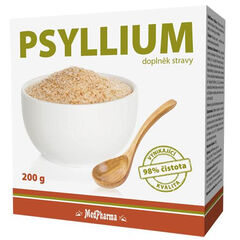
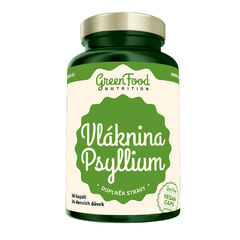
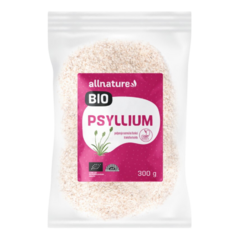
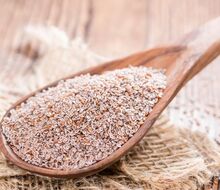
If the idea of having to chew on kilos of dried vegetables every day to get these benefits is scaring you right now, don’t worry. You don’t have to overhaul your entire diet. Just get some premium, ultra-pure psyllium. In the morning, simply mix it into your whey protein, oatmeal, or post-workout shake. It won’t affect the taste or throw off your macros, but it’ll do a tremendous job inside your body. It’s the cheapest and most effective way to protect your health—and your microbiome and heart—that you can do. It’ll help you make up those missing 10 grams of fiber in just a few seconds.
Recommended
Butyrate: The Real Reason Behind Your Brain Fog and Bad Mood
But this is the real reason why your brain starts to malfunction after a while on a zero-carb diet. Fiber isn’t just about a bloated stomach. It’s the key to your mental resilience and happiness.
Your gut microbiome contains trillions of bacteria. If you want to keep them alive, you have to feed them. Their absolute favorite fuel is fiber. When these bacteria get it, they ferment it and produce a miraculous substance—a short-chain fatty acid called butyrate.
Butyrate travels from your gut through your bloodstream directly to your brain, where it acts as an anti-inflammatory switch. Inflammation in the nervous system (neuroinflammation) is now considered the main cause of brain fog, memory loss, and cognitive aging. If you don’t provide the bacteria with fiber, butyrate won’t be produced. Your brain will remain unprotected.
And the best part? An incredible 95% of serotonin (the hormone of calm and stress resilience) isn’t produced in your head, but is synthesized directly in your gut based on signals from these bacteria. When you starve your gut bacteria, your resilience to everyday stress falls apart. You break down over the smallest things, you’re short-tempered, and you can’t concentrate. Your mental sharpness depends entirely on whether you’ve provided your gut bacteria with their fuel.
What the Hard Data Shows (and What Influencers Don’t Want to Hear)
Fiber skeptics love to bandy about stories of how someone stopped eating vegetables and cured their acne or bloating. Exceptions exist, but when you look at massive population data, the debate is over.
A massive meta-analysis from 2024, which examined 3.5 million people across 64 studies, revealed a shocking truth. People who consumed the most fiber had a 23% lower risk of death from any cause compared to those who avoided it. Every additional 10 grams of fiber reduces the risk of colon cancer by exactly 10%. Every 7 grams cuts the risk of heart failure by 9%. There’s no internet guru who can talk their way out of these numbers.

Your Daily Plan: How to Easily Nourish Your Gut and Brain
The average guy who works out at the gym and eats piles of meat and rice barely gets 10 to 15 grams of fiber a day. Yet the body requires 25 to 38 grams for optimal functioning and a clear mind. This huge gap is holding you back without you even realizing it.
But you don’t have to fall victim to the anti-fiber trend, and you don’t have to survive on dry cereal starting tomorrow. All it takes is a smart strategy:
| Time of Day | Biological Function in the Body | Practical and Quick Solution |
|---|---|---|
| Morning (Breakfast / Snack) | Prevents insulin spikes and energy crashes. | Add a scoop of pure psyllium to your favorite whey protein or morning oatmeal. Your body gets immediate cardiovascular protection without feeling bloated. |
| Afternoon (Lunch / Workout) | Promotes butyrate production and combats brain fog. | Take advantage of the resistant starch phenomenon. Cold jasmine rice or potatoes from the previous day are the best possible fuel for your gut microbiome. |
| Evening (Dinner) | Calms the microbiome and supports serotonin production. | A serving of lentils, broccoli, or beans with your meat. Both soluble and insoluble fiber will ensure deep regeneration of the intestinal lining overnight. |
Extreme carnivores will keep trying to convince you that you won’t die tomorrow without fiber. They’re right. But you’re not playing a game to see what biological minimum you can survive on. Your goal is to optimize your body, lift heavier weights, keep your mind sharp at work, and avoid chronic fatigue. Don’t get swept up in nonsensical viral trends. Rely on hard science—start your day smart with pure psyllium, and your immune system, mood, and energy will thank you immediately.
Recommended

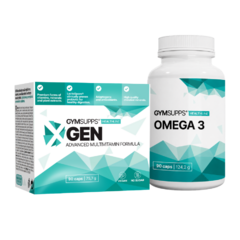
XGen 90cps + Omega 3 90cps
No posts have been made yet.








