





How to be healthy all year round - the best autumn vitamins and minerals
 Author:
 Staying healthy all year round is a goal for many people. Proper nutrition, getting enough exercise and taking care of our mental health play a key role, but we mustn't forget the vitamins and minerals our bodies need to function properly. Here we will look at some of the most important nutrients that support immunity, recovery and overall vitality throughout the year.
Article Content:
- Vitamin D: The sunshine vitamin
- Vitamin C: Protection against disease
- Zinc: Protector of the immune system
- Omega-3 fatty acids: Heart and brain health
Vitamin D: The sunshine vitamin
Vitamin D is often referred to as the "sunshine vitamin" because its production in the body is dependent on sunlight. In our latitudes, where there are fewer sunny days in the winter months, vitamin D deficiency can be common. This vitamin plays a vital role in maintaining bone health, supporting the immune system and contributing to a better mood.
Vitamin D promotes the absorption of calcium, which is crucial for the strength of bones and teeth. Vitamin D deficiency can lead to weakened bones, fatigue and reduced immunity. During the winter months it can be difficult to get enough vitamin D from the sun alone, so it is advisable to include foods such as oily fish (salmon, mackerel), eggs, dairy products or consider supplements in your diet.

Vitamin C: Protection against disease
Vitamin C is especially known for its benefits to the immune system. It acts as a powerful antioxidant that helps protect cells from free radical damage. This vitamin is especially important during the colder months when our bodies are more susceptible to colds and flu.
Vitamin C supports the production of collagen, which is important for the health of skin, joints and blood vessels. It also contributes to better absorption of iron from plant sources, which is important for preventing anemia. The best sources of vitamin C are citrus fruits (oranges, grapefruits), kiwis, peppers, broccoli and strawberries. If the diet does not provide sufficient amounts of vitamin C, it can be taken in the form of supplements.

.png)
Zinc: Protector of the immune system
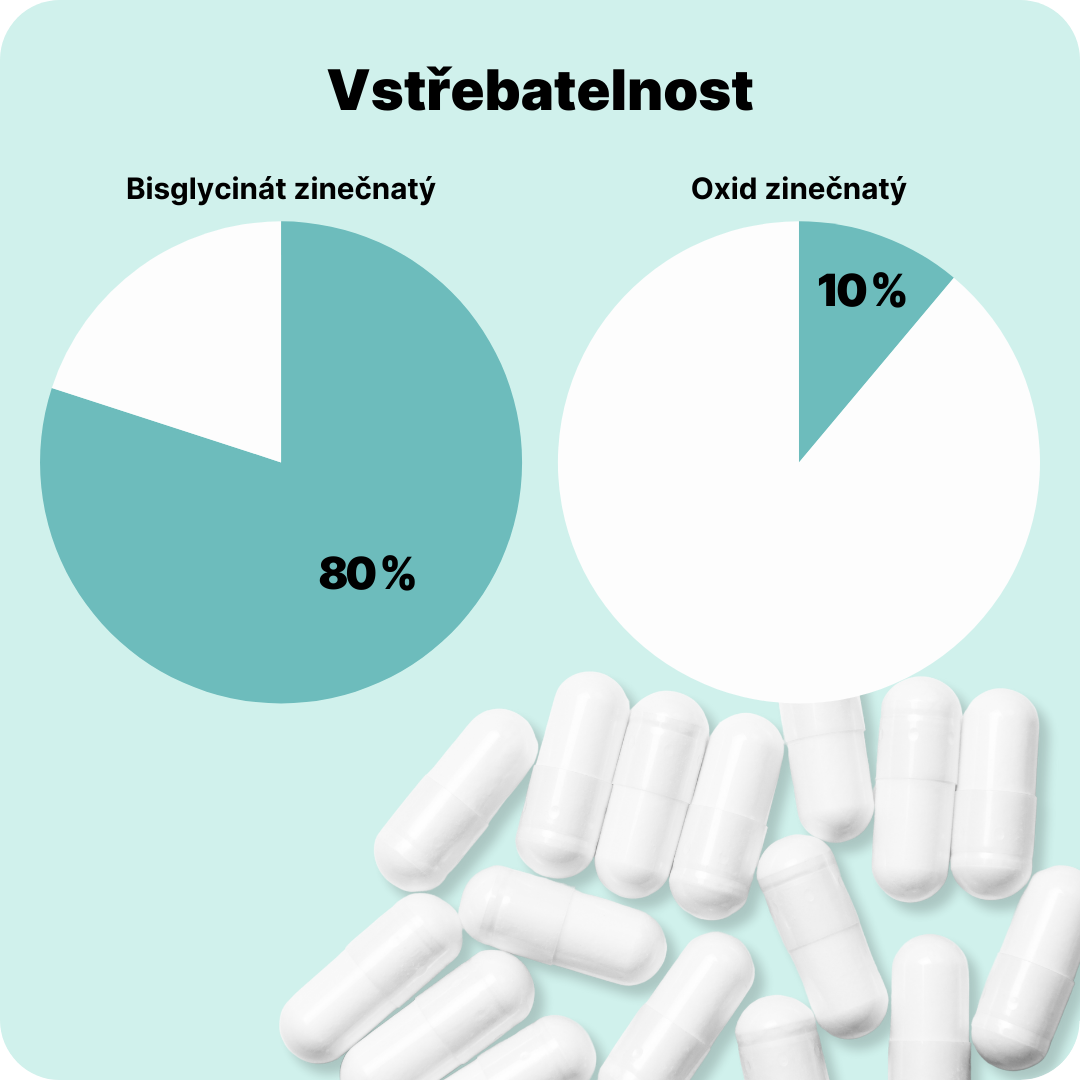
Zinc is an essential mineral that supports proper immune system function, growth and wound healing. Zinc helps the body fight infections and is key to the production of white blood cells, which are responsible for defending the body against pathogens. In addition, it plays an important role in cell metabolism and regeneration.
This mineral is not only important for immunity, but also for the health of the skin, hair and nails. Zinc deficiency can lead to a weakened immune system, slower wound healing or hair loss. Foods rich in zinc include meat, seafood, seeds (pumpkin and sunflower), nuts and legumes.
.png)
Omega-3 fatty acids: Healthy heart and brain
Omega-3 fatty acids are essential fats that our bodies cannot make on their own, so we must get them from food. They play a key role in protecting the heart, improving brain function and reducing inflammation in the body. These fats also support eye, skin and joint health.
Omega-3 fatty acids help lower harmful cholesterol levels and contribute to maintaining healthy blood pressure. Thanks to their anti-inflammatory effects, they can reduce the risk of chronic diseases such as heart disease or arthritis. The richest sources of omega-3 are fatty fish (salmon, sardines, mackerel), flaxseeds, chia seeds and walnuts.
.png)
How to ensure you get enough vitamins and minerals all year round?
While it is best to get vitamins and minerals from a natural diet, sometimes this is not always possible. In the winter months, for example, it is more difficult to get enough vitamin D from the sun, which is why supplements should be considered. Similarly, if the diet is not varied and rich in fresh fruit, vegetables and good quality protein, vitamins and minerals can be supplemented in the form of good quality supplements.
For year-round health, it is important to ensure not only that individual vitamins and minerals are sufficient, but also that the overall diet is balanced and varied. Regular exercise, getting enough sleep and minimising stress are other key factors that affect our immunity and well-being.

Conclusion
Health care requires not only attention to lifestyle, but also to nutrition. Vitamins like D and C, minerals like zinc and omega-3 fatty acids play a key role in maintaining good health and strong immunity all year round. By adding these nutrients to your daily diet, you can reduce the risk of disease, boost vitality and ensure a better quality of life.
Recommended



No posts have been made yet.








