





Green tea under the magnifying glass: A real biohack for the heart, or just overpriced herbal water?
 Author:
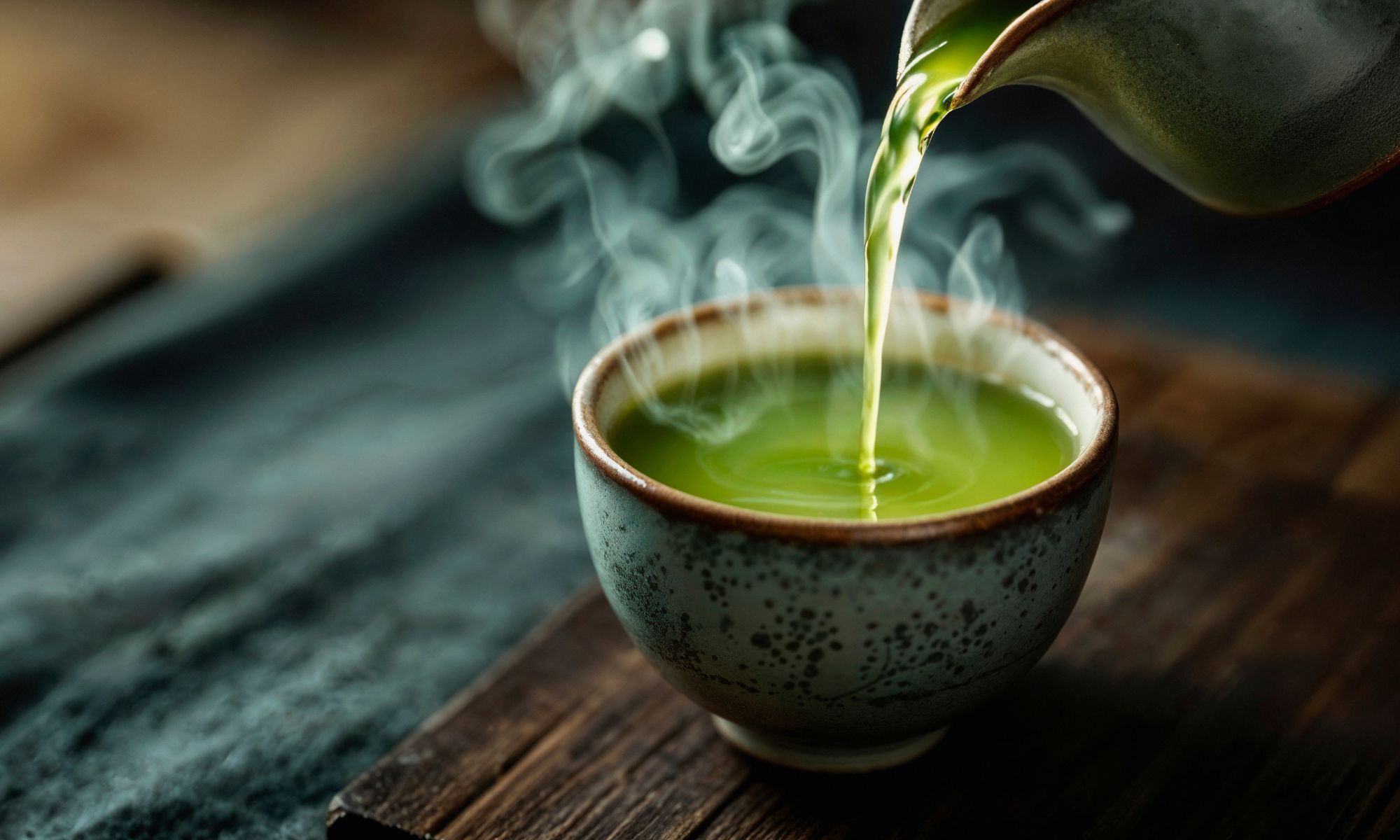
 Green tea has been hailed as an elixir of health for centuries. While some of the promises of its miraculous effects are exaggerated, modern science is beginning to confirm that this beverage does indeed have something to offer when it comes to blood pressure and heart health. A new large-scale analysis shows that even a small change in your daily routine can make a big difference in the long run.
Article content:
- A small drop with a big impact
- Who benefits most from drinking tea?
- A secret called catechins
- A practical recipe for health
.jpg)
A small drop with a big impact
Researchers recently collected data from 36 randomised controlled trials involving thousands of adults. The aim was to find out whether green tea can actually "move the needle" of a blood pressure monitor. The result? Regular consumption led to an average 1 mmHg drop in both systolic and diastolic blood pressure.
At first glance, 1 mmHg may seem like an insignificant number. But public health experts point to a wider context:
- A reduction in systolic blood pressure of just 2 mmHg is associated with approximately a 10% reduction in stroke mortality.
- At the same time, it reduces the risk of death from heart disease by 7%.
In medicine, small shifts that add up over years can save lives.
Who benefits most from drinking tea?
Research has shown that the benefits are not the same for everyone. Green tea worked best for specific groups:
- People with borderline blood pressure: The most significant improvement was seen in those whose readings were in the "elevated" pressure range (120 mmHg and above).
- Women: This group showed a more noticeable response to the substances contained in the tea.
- Moderate consumers: the best results were achieved by people who ingested less than 500 mg of tea compounds per day.
A secret called catechins
Why does tea work? Catechins, especially the substance known as EGCG, are the main culprits. These are powerful antioxidants that help to relax blood vessels and improve circulation. By making the blood vessels more elastic, the resistance that the heart has to overcome when pumping blood decreases.
A practical recipe for health
If you want to use green tea as a boost for your heart, you don't have to drink litres of it. According to studies, 1 to 2 cups a day is enough. This amount contains approximately 100-200 mg of catechins, the dose that has been shown to be most effective in tests.
What not to forget?
Green tea is not a "miracle pill" that will erase an unhealthy lifestyle. Scientists define it as an auxiliary supplement. The basis of a healthy heart still remains:
- Regular exercise.
- Limiting salt intake.
- Quality sleep and stress management.
If your blood pressure is starting to climb to 120 or above, swapping one coffee or sweetened beverage for a quality green tea is an inexpensive, tasty and scientifically sound step in the right direction.
Recommended
Viridian 100% Organic Green Tea
GreenFood Green Tea
No posts have been made yet.








