





31 studies speak clearly! Green tea is the secret weapon against LDL cholesterol
 Author:
 Most health advice starts with "Don't eat this, cut out that." But what if the most powerful change you could make for your heart was to add something? The science is clear. While the fitness industry is trying to sell you expensive fat burners and dubious detox treatments, there may very well be a remedy in your kitchen that has thousands of years of tradition and hundreds of modern studies behind it.
What the science says: 31 studies speak clearly
A meta-analysis of 31 randomized controlled trials (the gold standard of scientific research) confirmed that regular green tea consumption significantly lowers LDL cholesterol (the "bad" kind).
The results were consistent in both healthy individuals and overweight people. This means that green tea works not only as a prevention but as an active tool to improve cardiovascular health for everyone.
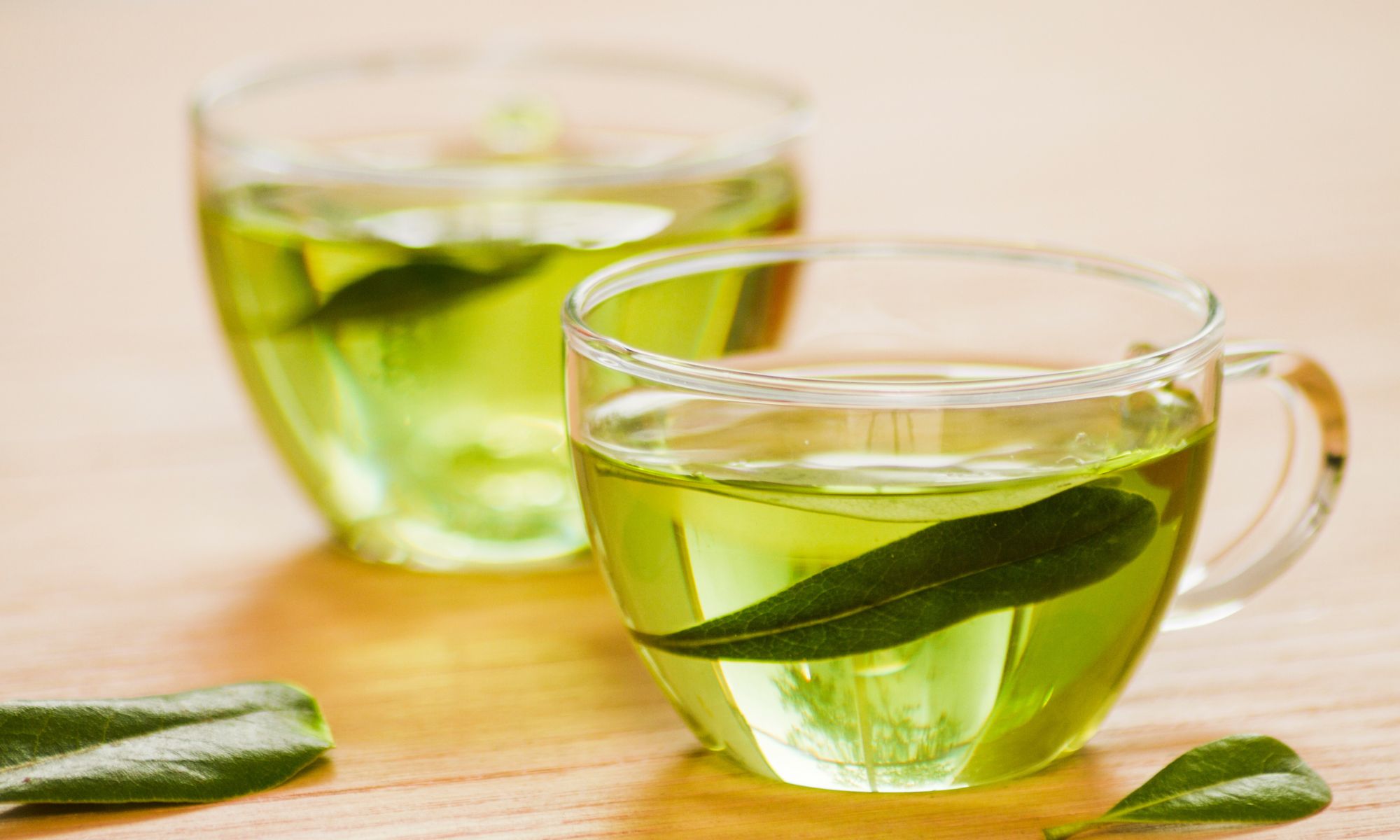
Mechanism of action: How does it work in the body?
The star of green tea is catechins, especially a substance called epigallocatechin gallate (EGCG). This powerful antioxidant works as your body's smart filter:
- Blocks absorption: catechins bind to dietary cholesterol in the digestive tract and prevent it from traveling into the bloodstream.
- Speeds up the scavenging: EGCG helps the liver more efficiently remove LDL cholesterol already circulating in the blood.
- Simply put: Green tea acts as an internal purifier, capturing a little more of the harmful substances each day than your body could handle on its own.

Dosage: How many cups is the "miracle limit"?
According to research, the heart benefits begin to take full effect when you consume 2 to 3 cups a day. It's not about drinking a liter of tea once a week. The magic is in the consistency. Small, daily doses of catechins have a cumulative effect that translates into your blood tests over months and years.
There's no tea like tea: why does quality matter?
Here's where most people make a mistake. They buy a cheap sachet tea that has been sitting on the shelf for two years. The problem is that catechins are sensitive to oxidation and heat.
- Concentration: most clinical studies have used standardized extracts, not just a weak leach. Ordinary tea from the supermarket may have only a fraction of the necessary substances.
- Technology: There are modern ways to preserve antioxidants. For example, the Pique brand uses a freeze-drying process(Cold Brew Crystallization) that preserves up to 12 times more catechins than conventional leaching.
- Temperature. The ideal temperature is 70-80°C to avoid burning the sensitive antioxidants.
Conclusion
Health doesn't have to be complicated. You don't have to change your entire diet right away. Just start by replacing one sweetened beverage or second coffee with a quality green tea. It's a "boring" routine, but one that has been shown to extend life, according to the data.
Want me to help you find other "simple additions" to your diet that studies show have a similarly powerful effect on longevity as green tea?
Recommended
Viridian 100% Organic Green Tea
GreenFood Green Tea
No posts have been made yet.








