





Does HMB build muscle or burn fat? What the scientific evidence says
 Author:
 HMB can help some people, but it is definitely not the first-choice supplement for building muscle or burning fat for regular gym-goers. The best scientific evidence supports its more specific uses: HMB is worth considering during very intense training phases, during aggressive cutting (in a deep caloric deficit), during an injury-related break, in older age, or during periods when maintaining muscle and strength is more difficult than usual. However, if your protein intake, total calorie intake, sleep, and training plan are inadequate, HMB will not solve this problem.
For the typical exerciser deciding how to spend their money, creatine and sufficient high-quality protein should be the priority. In terms of priorities, HMB is more of a “second-tier” supplement: at standard doses, it is safe, biologically active, and very useful in certain situations; however, for significant improvements in strength and performance, its effect is much less clear-cut than that of creatine.
Overview: How HMB Performs in Practice
| Claims About HMB | The Scientific Verdict | When Does It Make the Most Sense? |
|---|---|---|
| It builds more muscle in young exercisers | Weak to mixed evidence | Don’t buy HMB until you’ve got your protein, creatine, and a quality workout routine sorted out. |
| Helps maintain strength in older adults | Promising but modest effects | Ideal when combined with strength training and adequate protein intake. |
| Directly burns body fat | Not convincing | Any benefit for weight loss comes from improved recovery and the preservation of muscle mass (not from direct fat burning). |
| Improves recovery during intense workouts | Likely, mixed | Most useful during high-volume training, a strict diet, or when returning to the gym. |
| Safety at standard doses | Generally very favorable | The typical dose studied is around 3 grams per day. |
Recommended
What exactly is HMB?
HMB stands for beta-hydroxy beta-methylbutyrate. Your body naturally produces small amounts of it during the metabolism of leucine, one of the essential amino acids crucial for muscle protein synthesis. Dietary supplement companies market HMB because it can theoretically support two processes that matter most to athletes:
This mechanism sounds impressive, but a mechanism that works doesn’t necessarily translate to a visible change in muscle size. While a dietary supplement may influence signaling pathways in the body, in the real world it will yield only minor or inconsistent results if your diet, training, and recovery are already perfectly optimized.
HMB is typically sold in two forms:
- HMB-Ca: The calcium salt form. This is the older and much more common version, available in capsules and powders.
- HMB-FA: The free-acid form. In some studies, it has been shown to increase blood HMB levels more quickly, but its practical superiority over HMB-Ca remains uncertain.
Does HMB build muscle mass?
Among young adults who engage in strength training, the most skeptical interpretation of the studies is that HMB does not reliably add any significant muscle mass or strength beyond what is achieved through training alone. A comprehensive systematic review and meta-analysis from 2020 involving adults aged 18 to 45 found a small effect on total body weight, but no significant improvement in lean body mass (muscle), fat loss, bench press strength, lower-body strength, or overall one-rep maximums (1RM).
This does not mean that every study on HMB is negative. Some studies report benefits, and the official position of the International Society of Sports Nutrition (ISSN) from 2025 takes a more favorable stance on the substance—especially when HMB is combined with high-quality training and dietary control.
The problem for the average exerciser is the consistency of the effects. Creatine has a much more profound and reproducible impact on performance. HMB’s effects are more limited and more dependent on external factors. If you’re just starting out with strength training, you already have excellent conditions for building muscle through progressive training and protein intake. If you’re experienced, your results depend primarily on smart program design and recovery. In either case, HMB is unlikely to be the missing piece.
Does HMB burn fat?
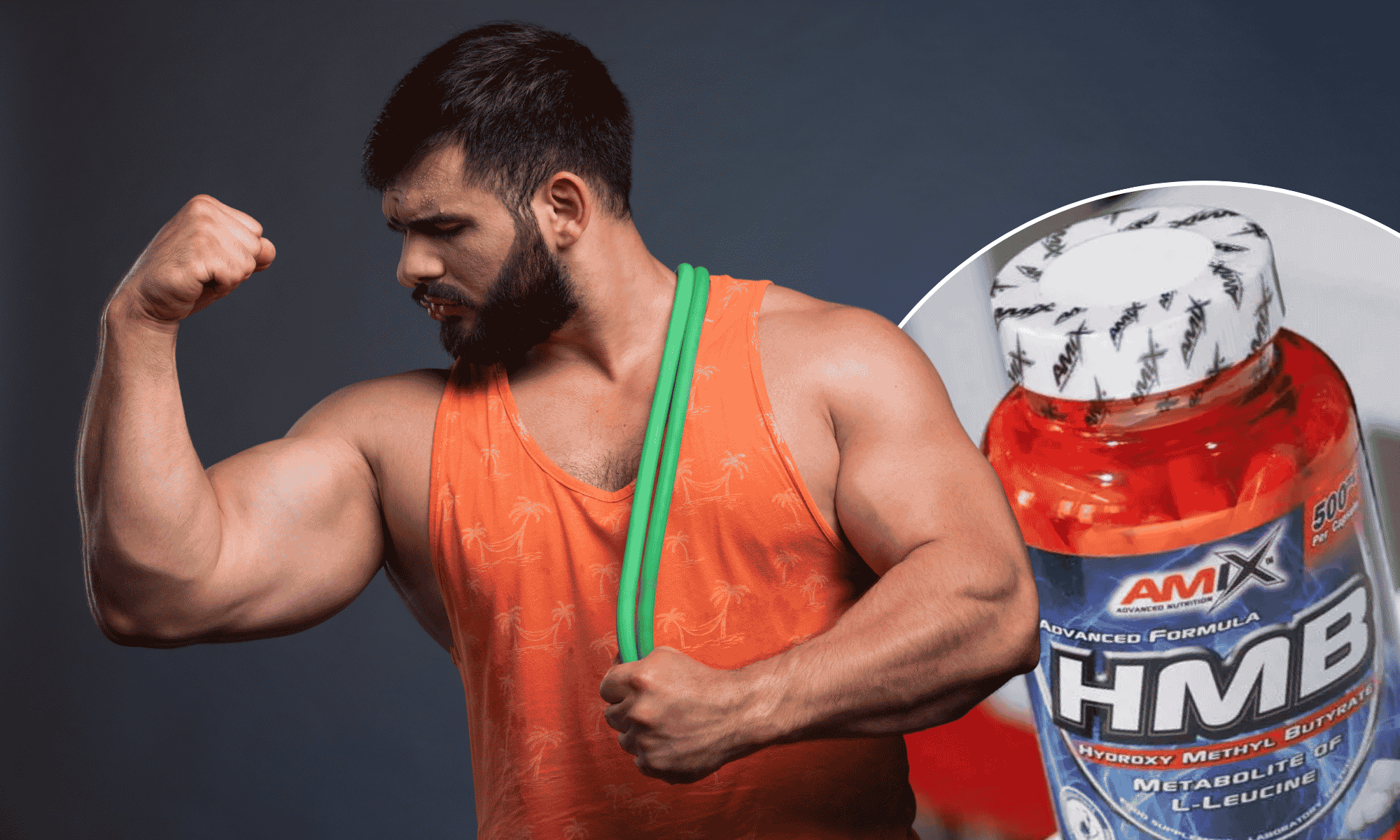
HMB is often marketed as a supplement for building muscle and “burning fat.” However, the claim about fat loss is the weaker part of this promise. Research does not show that HMB directly burns fat the way a calorie deficit does.
In studies where improvements in body composition are observed, a more realistic explanation is that HMB may help some people train harder, recover better, or maintain muscle mass while dieting. This is crucial during cutting. Losing fat while maintaining strength is easier when the quality of your training remains high and your protein intake is sufficient.
For practical weight loss, HMB thus falls into the “useful under pressure” category. It is not a substitute for a diet plan, nor is it a miracle thermogenic fat burner.
Who benefits most from HMB?
The strongest arguments for HMB aren’t found in healthy athletes during a normal bulking phase, but in individuals who are at increased risk of muscle loss or have recovery issues.
- Older adults doing strength training: A 2025 meta-analysis found a slight improvement in physical function and muscle strength when HMB was combined with strength training in people over 60.
- Athletes in a Caloric Deficit: HMB is worth trying during very aggressive diets, where performance declines and maintaining muscle mass is an absolute priority.
- Returning to Training: After a long break or injury, when the risk of muscle breakdown is much higher, HMB may be particularly beneficial.
- High-volume training blocks: If muscle soreness (DOMS) and impaired recovery are limiting the quality of your training and can no longer be addressed through diet alone.
Who should skip HMB?
Save your money on HMB if you’re still inconsistent with the basics. This includes exercisers who aren’t meeting their protein intake goals, train without progressive overload, sleep poorly, or expect a pill to compensate for a chaotic diet. You can also skip HMB if you’re taking creatine, eating enough protein, and aren’t currently trying to lose weight drastically. In that case, HMB won’t offer much value for its price.
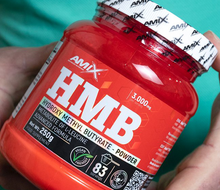
HMB Dosage and Timing
The typical dose studied in clinical trials is approximately 3 grams per day.
Practical Dosage Options:
- Workout days: Take 3 grams 30–120 minutes before your workout, or spread the dose throughout the day if that’s easier on your stomach.
- Non-workout days: Take 3 grams with a meal.
- Cutting phase: Take it daily for at least 3–4 weeks before assessing whether it helps with your performance or muscle soreness.
Tip: HMB is not caffeine. Don’t expect an immediate “boost” on the day you take it. If it works, the effects are more likely to manifest as improved long-term recovery and a smaller decline in performance over the course of several weeks.
Conclusion: Is it worth it?
HMB can be useful, but its target audience is much narrower than aggressive marketing suggests. Healthy young athletes shouldn’t expect dramatic muscle gains or rapid fat loss from it.
On the other hand, older adults, athletes in the demanding cutting phase before a competition, people returning to training after a prolonged illness, and those going through an extremely demanding training block have very good reasons to give it a try. If you fall into this group, try 3 grams a day for a few weeks and monitor your recovery. If you don’t notice any improvement, you can safely stop taking it. After all, a truly high-quality supplement has to prove its worth.
Recommended
Czech Virus Beast Virus V2.0
Nebbia Clubhouse half-zip mikina CLUB D’OR 644
Nebbia Crop top tílko CONFIDENCE 476
Czech Virus Immunity Shield Max
No posts have been made yet.








