





Do you think plant-based protein is healthier? A new study might surprise you
 Author:
 Protein in your morning oatmeal, a quick post-workout shake, or a smoothie on your way to work. For many people today, protein powder is just as much a part of their routine as their morning coffee. And if you’re trying to live a healthier lifestyle, you may have already tried a plant-based option. Peas, rice, natural ingredients, and often an “organic” label. At first glance, it’s the perfect combination. But even behind a product that looks this healthy, there may be something hidden that you definitely won’t read about on the front of the package.
Researchers have examined the composition of plant-based proteins and found that some may contain higher levels of heavy metals than their animal-based alternatives. Does this mean we should give up our favorite protein? Definitely not. However, the results show why it’s worth paying attention not only to the amount of protein but also to the origin of the ingredients, the quality of processing, and how many scoops you actually consume throughout the day.
Article Contents:
- Natural Doesn’t Automatically Mean Purer
- What Testing 56 Plant-Based Proteins Revealed
- Two rules for safer protein selection
- 5 Simple Steps to Choose Protein More Wisely
Natural Doesn’t Automatically Mean Cleaner
One of the most common misconceptions is that anything plant-based must automatically be healthier for our bodies. But nature works a little differently. Peas, rice, and soy—the sources from which plant-based proteins are made—absorb not only essential nutrients from the soil as they grow, but also certain undesirable substances. These include, for example, cadmium, which can accumulate in the body with long-term excessive intake. When plant-based raw materials are subsequently processed into concentrated protein powder, these substances may also end up in the final product.
And this is where an important difference between plant-based and traditional whey protein comes into play. Some studies show that plant-based variants may contain higher levels of cadmium. However, this certainly does not mean that whey is always perfectly pure or that you should avoid plant-based products. Every raw material has its own characteristics, and the actual quality of the final product is far more important than the label on the front of the package.

What the Testing of 56 Plant-Based Proteins Revealed
In 2025, a European research team decided to examine in detail the composition of 56 plant-based protein supplements. The results showed the presence of various metals, including cadmium, lead, and nickel. Although this may sound alarming, the assessed reference intake values were not exceeded at a typical daily dose of 30 grams. This is important information for anyone who regularly enjoys a protein shake after a workout.
However, a more interesting situation arises with higher consumption. If you add protein to your oatmeal in the morning, to a smoothie in the afternoon, and after your workout in the evening, you’re consuming larger amounts of other substances along with the protein. Based on a model consumption of 100 grams per day, the researchers specifically noted an increased intake of certain minerals. However, this was not evidence that such an amount would automatically cause heavy metal poisoning.
Therefore, it’s not just the quality of the protein that matters, but also the quantity and variety of your overall diet. Protein powder should be a convenient supplement, not your sole source of protein throughout the day.
Two Rules for Choosing Protein Safely
You may have the most expensive protein at home with beautiful packaging and a perfect ingredient list, but if the manufacturer doesn’t test for the presence of unwanted substances, the price alone doesn’t tell you much. Fortunately, you don’t have to be a chemistry expert to make smarter choices.
Focus primarily on two things:
- Don’t be fooled by the “Organic” label: Organic certification indicates how the raw materials were produced, not necessarily the amount of heavy metals in the finished product. Much more important are the manufacturer’s transparency, available lab results, and information on quality control.
- Choose a protein based on your needs: Whey protein offers a complete spectrum of essential amino acids and is an excellent choice for daily protein supplementation. If you avoid dairy products, a high-quality plant-based protein can serve you just as well. However, neither type is an automatic guarantee of lower levels of all heavy metals.
How to Supplement Protein Smartly and Without Unnecessary Compromises
Above all, protein should make your life easier. Whether you’re adding it to your morning oatmeal, preparing it after a workout, or using it as a quick snack, there’s no need to overcomplicate your choice. What’s important is to focus on high-quality ingredients, proper dosing, and a manufacturer that takes care to test its products. So don’t be swayed solely by the “organic” label or natural packaging. Transparency and available information about testing will tell you much more.
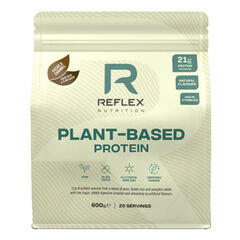
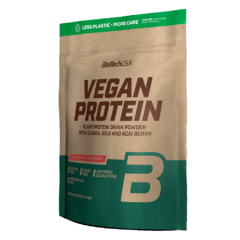
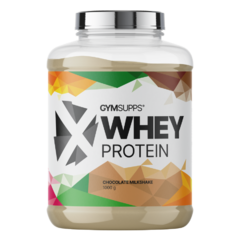
If dairy protein works for you, try GymSupps XWhey Protein, which combines three forms of whey protein and contains digestive enzymes. Do you prefer a plant-based alternative? Try BiotechUSA Vegan Protein, which combines pea and rice protein, or Reflex Plant Based Protein with a blend of pea, rice, and pumpkin protein. Whichever option you choose, remember that the foundation is always a varied diet and a reasonable amount of protein.
Recommended
How Should You Make Decisions in Your Daily Routine?
5 Simple Steps to Choose Protein More Wisely
Save yourself unnecessary worry and try a few simple guidelines that will give you more control over your daily supplementation:
- Look beyond the packaging: Don’t be swayed solely by labels like “organic,” “natural,” or “premium.” Take an interest in the origin of the ingredients, lab testing, and information that the manufacturer can actually substantiate.
- Don’t overdo it with the dosage: One scoop after a workout can be a practical aid. But if you’re adding protein to almost every meal, ask yourself if you really need that much.
- Vary your protein sources: In addition to protein shakes, include eggs, dairy products, meat, fish, or legumes in your diet according to your dietary preferences. A varied diet is important not only for protein but also for your overall nutrient intake.
- Look for verified quality: Independent certifications or available lab analyses are a plus. For example, the NSF Certified for Sport program also includes testing for selected contaminants. Be sure, however, that the certification applies directly to the specific product.
- Choose the protein that works for you: If you digest whey well, you don’t need to look for more complex alternatives. If you prefer a plant-based diet, a high-quality vegan protein can be a good choice. What’s important is a long-term balanced diet and a reputable manufacturer.
Protein is one of the most practical sports nutrition supplements, and the results of these studies are no reason to give it up. However, they do remind us of one important thing. A healthy lifestyle doesn’t start with the most expensive product or the greenest packaging. It starts with informed decisions and quality that the manufacturer can actually substantiate.
So the next time you’re making your favorite protein shake, remember that it’s not just about how much protein you put in your scoop, but also about everything else that might be in it.
Recommended
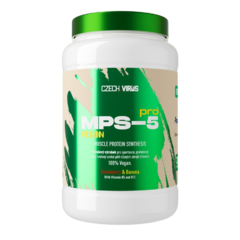
Czech Virus MPS-5 Pro Vegan
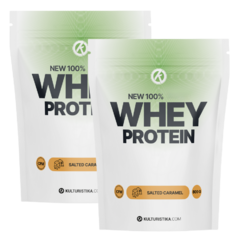
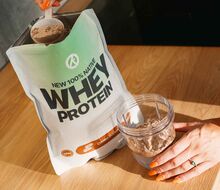
New 100% Whey Protein 800g 1+1
No posts have been made yet.








