





Are you afraid of eating carbs at night? You're making a huge mistake!
 Author:
 The golden rule of many fitness gurus and self-proclaimed dietitians has been clear for years: “If you want to lose weight, you must eliminate all carbohydrates from your diet after 6:00 p.m.” However, experts and scientific studies are increasingly showing that this myth doesn’t make sense from a physiological standpoint. What’s more—by strictly avoiding carbohydrates in the evening, you may be unnecessarily depriving yourself of the highest-quality and deepest sleep.
Research in the fields of sleep and nutrition offers a completely different perspective. It turns out that when and what kind of carbohydrates you eat can have a significant impact on your evening recovery.
Why are we so afraid of carbohydrates at night?
The fear of evening meals stems from a simple but flawed logic: carbohydrates provide energy, and since we aren’t expending any energy in the evening, the body automatically stores it as fat. But the process of weight loss and gain doesn’t depend on what time it is, but on your overall calorie balance throughout the day. If you’re in a calorie deficit, your body won’t turn that evening bowl of rice into fat.
Instead of needlessly worrying about gaining weight, we should focus on what carbohydrates can actually offer us in the evening.

Falling Asleep Faster Thanks to a Mild Calming Effect
Scientists conducted controlled studies examining the effect of different types of meals on the speed at which people fall asleep. They found that a carbohydrate-rich meal with a higher glycemic index (such as jasmine rice) consumed a few hours before bedtime can be significantly helpful.
Why does this work?
- When you eat carbohydrates about 3 to 4 hours before bedtime, your blood sugar levels rise gently and gradually.
- This process helps the brain “turn off” the alert signals that keep us awake and on guard.
- The body has enough time to process the food, blood sugar levels gradually stabilize, and you naturally enter a calmer state, which shortens the time it takes to fall asleep.
There is, however, an important detail: the same meal eaten just one hour before bedtime had no effect. The key, therefore, is to allow the body sufficient time to digest the food.

More REM Sleep for Your Mind
Quality sleep isn’t just measured by how many hours you spend in bed, but also by the stages your brain goes through at night. A meta-analysis of 11 different studies confirmed an interesting fact: while carbohydrates do not necessarily extend your total sleep time, they can improve its structure.
They have a particularly significant impact on the REM phase of sleep (rapid eye movement), during which we dream and the brain processes emotions and memory. REM sleep is relatively energy-intensive for the body—the brain burns much more energy during this phase than during deep sleep. Carbohydrates consumed in the evening provide exactly the “fuel” the brain needs for this demanding recovery process.
How can you put this into practice?
You don’t have to completely overhaul your entire diet. It’s more than enough to follow a few simple rules:
- Focus on quality: Don’t use this as an excuse to snack on sweets or chips in the evening. An observational study of nearly 5,000 people showed that those who consume high-quality, fiber-rich carbohydrate sources in the evening get the best sleep.
- Good food choices: White and brown rice, whole-grain cereals, legumes, potatoes, or a piece of fruit are all excellent options.
- Watch your timing: Eat your last substantial carbohydrate-containing meal about 3 to 4 hours before going to bed.
It’s nice to know the theory, but practice is often harsher...
You may very well know from scientific studies that carbohydrates eaten after 6 p.m. won’t magically turn you into an obese person overnight. You may even suspect that you don’t need to worry about having rice or oatmeal for dinner. But if, because of old, ingrained myths, you’re still trying to avoid side dishes at night, you go to bed exhausted, and at midnight you’re woken up by crazy cravings for sweets, there’s obviously a problem somewhere.
Going to bed with a rumbling stomach after a strenuous workout means only one thing—you’re drastically increasing the production of the stress hormone cortisol. The result? You toss and turn all night, your body has nothing to replenish muscle glycogen with, you’ll tackle your morning workout with zero energy, and your dream physique remains out of reach. Starvation and unnecessary fear are literally killing your recovery.
On the other hand, forcing down a heavy, large meal right before bed just to “hit your macros” isn’t exactly doing your tired digestive system any favors either. The solution, however, is logical and elegant—you need to supply your muscles with the necessary energy in a smart way. In a form that calms your nervous system, promotes deep sleep, and nourishes your body well until morning, without leaving you feeling heavy and bloated.
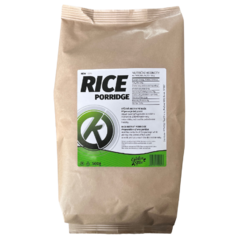
Instant rice or protein porridge works perfectly as a lifesaver and the most enjoyable evening ritual. Not only do they completely curb cravings for “forbidden” sweets and fill you up, but they’re also extremely easy on the stomach. Your muscles will thus get immediate fuel for growth without the burden of digestion.
And to take your body’s relaxation to absolute perfection, don’t rely solely on food. Add a premium sleep complex or Ashwagandha extract to your evening routine. These supplements will rapidly reduce evening tension and ensure that the combination of carbohydrates and sleep hormones kickstart recovery at 110%.
Stop needlessly torturing yourself with evening diets. Support your body in the smartest and tastiest way possible, and show everyone that you can build a great physique and muscles without starving yourself at night.
Recommended
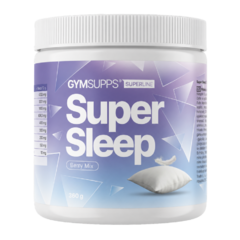
GymSupps Super Sleep

No posts have been made yet.








