





John Meadows, author of Mountain Dog Training, has died!
 Author:
 Since early this morning a very sad news has been circulating in the bodybuilding world informing about the death of John Meadows, a former professional bodybuilder, in the last few years a respected and sought after trainer, and last but not least the author of Mountain Dog training!
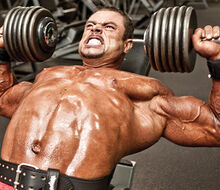
John made his way to the pros, something he dreamed of as a young boy, at the age of 43 when he managed to dominate the NPC Team Universe bodybuilding category for men masters over 40 in 2015.
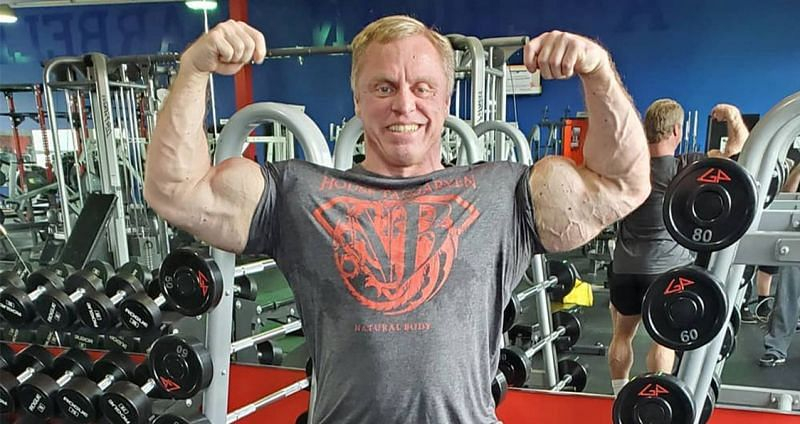
He then notched 11 starts among the pros, with the start of his pro card joining the under 212lb division in 2015 and 2016. In that division he was able to break into the Top 5 several times, with his best result being a 3rd place finish at the 2015 Wings of Strength PBW Tampa Pro.
Afterwards, he also tried his hand among the heavyweights in the Open category, but without much success.
However, he became very successful on the trainer and nutritionist track. In recent years he has been one of the highly respected and sought after experts in this field!
The cause of death is by all indications pulmonary embolism.
Definition of pulmonary embolism
Pulmonary embolism is a life-threatening disease in which there is a sudden obstruction of the pulmonary artery (the main artery supplying blood to the lungs) or one of its branches, primarily by a blood clot. A blood clot, or thrombus, can form in the venous system under certain circumstances. This disease is called - deep vein thrombosis and affects most often the veins of the lower limbs and pelvic veins. Embolism (or embolization) refers to the process of releasing the thrombus from its site of origin and its subsequent movement into the pulmonary vein. In addition to thrombi, rarely other substances can cause embolism (fat and bone marrow in extensive trauma, amniotic fluid in childbirth, air in diving, and others).
Risk factors for pulmonary embolism
The likelihood of developing thrombo-embolic disease (the collective name for deep vein thrombosis and pulmonary embolism) is greatly increased by the restriction of limb mobility that occurs, for example, after surgery and trauma (plaster fixation), in pregnancy, when travelling long distances and in obese people. Blood clotting disorders, whether inherited or acquired, have a significant impact. Blood clotting can also be increased by the use of hormonal contraceptives.
Symptoms of pulmonary embolism
- Sudden onset of shortness of breath (with rapid breathing rate),
- chest pain (especially with deep breathing),
- cough (sometimes with coughing up blood),
- bluish discolouration of the lips and fingers (cyanosis),
- collapse or short-term loss of consciousness,
- circulatory instability (low blood pressure, rapid heart rate),
- sudden death.
Source:
www.facebook.com/johnmeadows
www.ikem.cz
No posts have been made yet.








