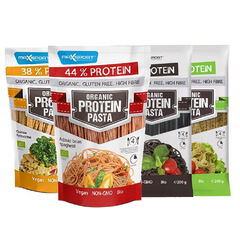
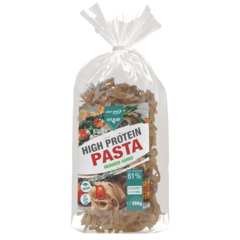
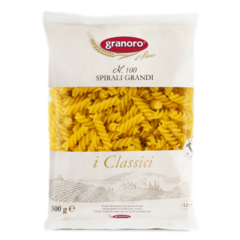
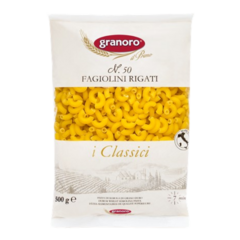
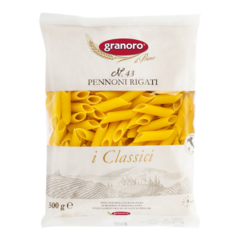
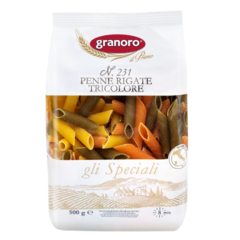
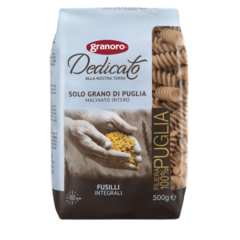
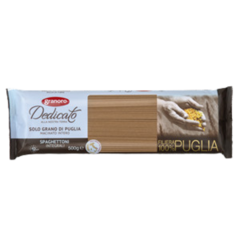
If you are interested in a healthy diet, you may intuitively avoid pasta. But there's no need to worry, our range includes pasta made from wholemeal rye flour or pasta enriched with a good dose of protein. These also have a low glycaemic index and are therefore appreciated not only by athletes, but also by anyone interested in a healthy lifestyle or following a reduction diet.
Frequently Asked Questions
Absolutely yes! However, you should swap classic white-flour pasta for whole-grain, legume, or konjac variants. They contain much more fiber and protein, so they keep you full for longer and prevent sharp spikes in blood sugar. For successful weight loss, keeping a close eye on your portion size is also crucial.
These are pastas made from chickpea, pea, lentil, or bean flour. Compared to classic pasta, they contain huge amounts of plant-based protein and fiber, while generally having fewer carbohydrates. They are naturally gluten-free and represent an absolutely genius way to subtly sneak more protein into your diet.
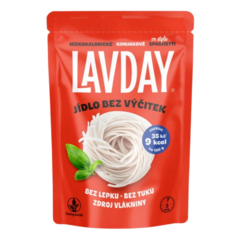
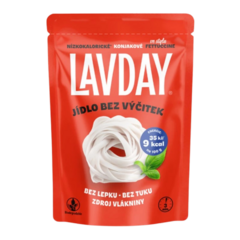
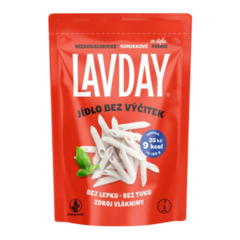
Konjac noodles are made from the root of the Asian konjac plant and consist almost entirely of water and a special fiber (glucomannan). They have an almost zero caloric value and contain no usable carbohydrates. They are an absolute hit for the strictest cutting diets because they fill you up perfectly without adding almost any calories to your daily intake.
Regular or whole-grain pasta is a fantastic source of energy. It serves excellently as a complex meal about 2 hours before a hard workout so that your muscles have enough fuel. However, it is also absolutely ideal after a workout, when the body needs to quickly replenish depleted glycogen stores for proper recovery.
For absolutely accurate tracking of calories and macronutrients, we recommend weighing your pasta always in its raw (dry) state before cooking. During cooking, pasta absorbs varying amounts of water (it can expand up to three times its volume), which would completely distort the true caloric value of the portion once it's cooked.